Reduces sodium in preparations by up to 37%

Idioma
Idioma

Umami is the fifth basic taste of the human palate, alongside sweet, salty, sour, and bitter. You might be wondering, “how did I never know this before?”
The story of umami is quite old—starting back in 1908—but it was only recognized scientifically as the fifth basic taste of the human palate in the 2000s! That’s why umami is still a new concept for many people. Now it’s time to learn all about it!
How can we recognize umami?
Umami is recognized by our palate when we eat foods that contain substances called amino acids (primarily glutamic acid or glutamate) and nucleotides (inosine monophosphate or inosinate, and guanosine monophosphate or guanylate).
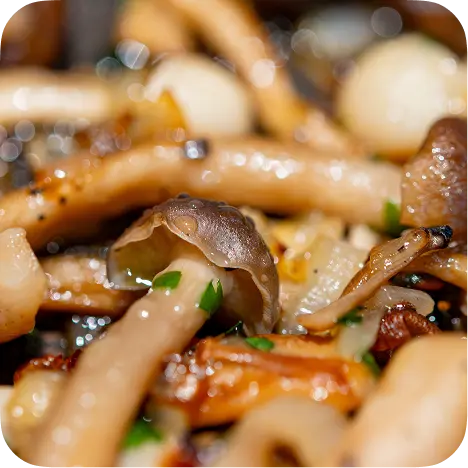
Sound complicated? Let’s make it simple! It’s in that pasta with a ripe tomato sauce and grated Parmesan cheese. In a feijoada with succulent meats that give this Brazilian dish its distinctive character. Or in shiitake mushrooms used in many special recipes. There’s a whole world of umami-rich foods waiting for you.

Did you know umami is directly linked to glutamate? This amino acid is naturally found in many foods and is the main driver of the umami taste. Want to better understand glutamate’s role in flavor, in the human body, and in our diet?
Benefits of umami and monosodium glutamate (MSG)
Umami taste and MSG are associated with several benefits for people of all ages. Here are a few:
Reduces sodium in preparations by up to 37%
Promotes increased salivation
Aids in protein digestion
Adds more flavor to everyday dishes
Contributes to oral hygiene
Supports the nutrition and immunity of older adults
Helps directly with infant health
Improves food acceptance in patients undergoing chemotherapy
Hear from a specialist
It is very common in childhood—during nutritional development and the introduction of complementary feeding—for children to have difficulties and even fears about trying new tastes, flavors, and textures. The fear of tasting new foods is known as food neophobia and should be identified and addressed quickly to avoid nutritional deficiencies. At mealtimes in this stage, children may reject certain foods due to their sensory aspects. Appropriate childhood nutrition requires care related to sensory aspects, especially visual presentation such as colors, appealing shapes, and the way recipes are prepared. It is essential that children’s diets include vegetables and fruits, respecting their tastes while presenting flavors, visuals, temperatures, and colors. It is important to observe children’s reactions to each food, as these are moments of development and growth. Children will begin to build their food identity, making room for favorite foods with the presence of umami taste. Offering, for example, a colorful meal like curly lettuce plus umami options—cherry tomato, cooked corn, Parmesan cheese, and mushrooms—can be a great experience. The mouth’s sensory cells send signals to the brain that register different tastes: sweet, salty, sour, bitter, and umami. Some children have a very keen and selective palate. Others prefer combined tastes, like sweet and salty. Therefore, introducing other tastes in childhood—such as umami, which enhances the flavor of foods—is an excellent way to stimulate the palate. The amino acid glutamic acid and the nucleotides inosinate and guanylate are the main umami substances. Harmonizing the right foods can be an excellent strategy to make children’s meals more appealing. The family needs to contribute positively to identifying potential childhood neophobias and to building a healthy eating pattern through the discovery and acceptance of new flavors.”

Dr. Sonia Tucunduva Philippi, Associate Professor with a master’s and PhD from USP. Former president of the São Paulo Nutrition Association and vice-president of the Regional Nutrition Council. Recipient of important awards in Health and Nutrition.
Learn more about umami!
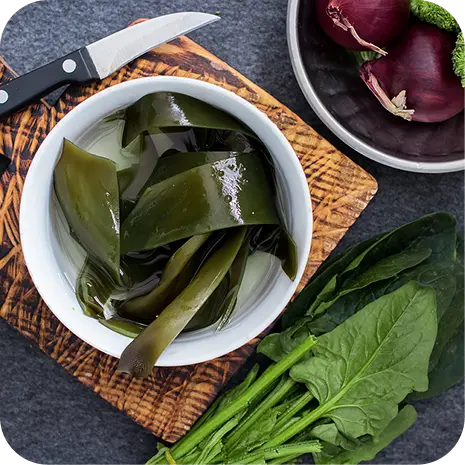
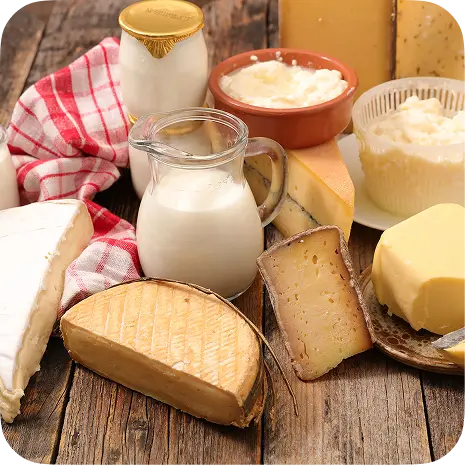
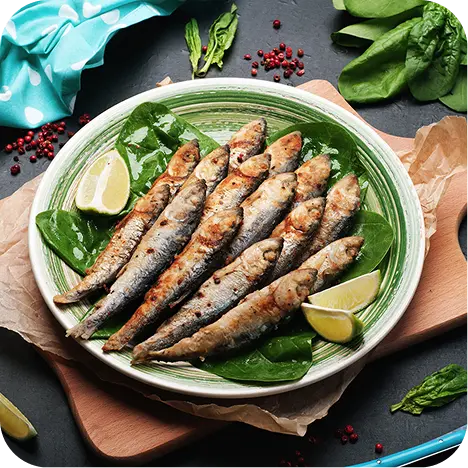
Foods rich in umami
Just as there are many foods that are naturally sweet or salty, there are many that are naturally umami! The fifth taste is part of your everyday life more than you think. Want to see how?