Reduces sodium in preparations by up to 37%

Idioma
Idioma

Glutamate exists in different forms and with unique functions! Here, you’ll discover everything about the amino acid glutamate naturally present in foods, the flavor enhancer monosodium glutamate (MSG), and glutamate as a non-essential amino acid produced by our bodies.
What is monosodium glutamate?
Monosodium glutamate, or MSG, is a flavor enhancer used in cuisines around the world. It is one of the substances responsible for delivering the umami taste in preparations.
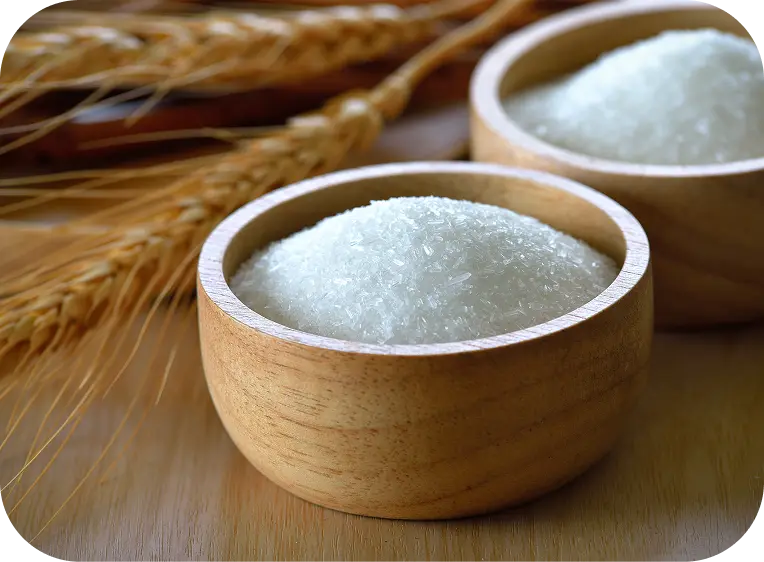
Monosodium glutamate (MSG) is the sodium salt of glutamate, also known as glutamic acid, an amino acid naturally found in foods such as tomatoes, mushrooms, and cheeses.
It is produced by fermenting natural ingredients, such as sugarcane or corn, resulting in white crystals similar to salt. When it dissolves in saliva, the glutamate separates from the sodium and activates umami taste receptors, the fifth basic taste.
Glutamate vs. monosodium glutamate: is there a difference?
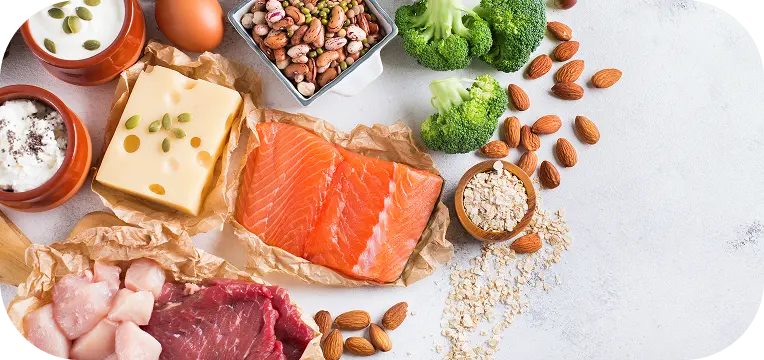
Yes! Glutamic acid, or simply glutamate, is a non-essential amino acid, meaning it is produced by our bodies and is also naturally present in foods like meats, eggs, and cheeses.
The glutamate the body makes is used in essential functions, such as communication between nerve cells, while food-derived glutamate contributes to flavor and nutrition.

Monosodium glutamate (MSG), on the other hand, is an isolated and purified form of this amino acid, produced industrially via fermentation. It is used to enhance flavor, highlighting the umami taste.
Despite their different origins (one natural in foods, the other industrially produced), the body processes both the same way. In other words, there is no difference for the body between glutamate found in foods and glutamate from MSG.

The answer is no! Understand the myths and facts about glutamate.
What are the benefits of glutamate and monosodium glutamate?
Glutamate is involved in several processes in our body and can bring many day-to-day advantages.
Reduces sodium in preparations by up to 37%
Promotes increased salivation
Assists protein digestion
Adds more flavor to everyday dishes
Contributes to oral hygiene
Supports nutrition and immunity in older adults
Directly supports infant health
Improves food acceptance in patients undergoing chemotherapy
See what a specialist has to say
Not everything that tastes good makes you gain weight! In fact, not everything with a pleasant taste induces obesity. For example, glutamate makes us perceive umami and pleasure when eating. Interestingly, glutamate (from foods or monosodium glutamate—MSG) has not been linked to obesity, as shown by several studies in adults and even children. Research suggests that glutamate (including MSG) induces satiety signals in the brain and may even increase energy expenditure.”

Dr. José Henrique Silva, Division of Nutrology, Department of Internal Medicine, Ribeirão Preto Medical School, University of São Paulo (USP). Team Coordinator, ATN – Alimentar Terapia Nutricional.
But what are amino acids?
Amino acids are the molecules that build proteins, fundamental structures for our bodies to function. There are 20 amino acids: 11 are produced by the body itself (non-essential) and 9 must come from the diet (essential). They take part in building muscles, skin, hormones, and many biological functions.
Glutamate (or glutamic acid) is one of these amino acids. That’s why it is directly related to important processes, both in food flavor and in human metabolism.
In addition, endogenously produced glutamate acts as a neurotransmitter in the brain: it helps transmit signals between neurons and is essential for learning, memory, perception, and movement.