
History of umami
From Japan to the world
We’ve summed up more than 100 years of history in 7 key milestones.
Jump on this timeline and see the path umami has taken to reach you.
-
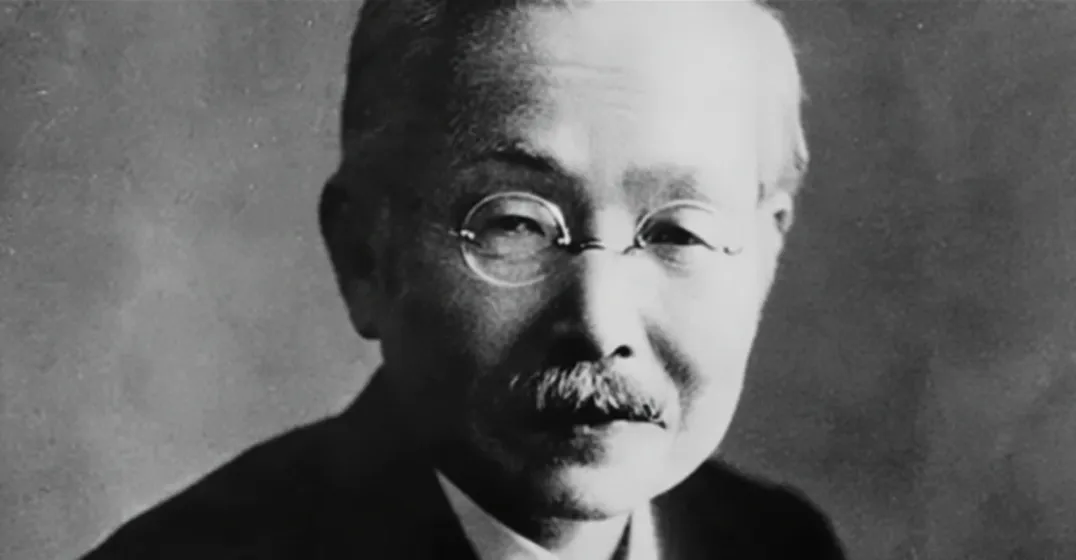
1. How it all began
At the beginning of the 20th century, the Japanese professor and scientist Dr. Kikunae Ikeda started down a path toward a discovery that would revolutionize global nutrition and gastronomy. While tasting foods such as asparagus, tomatoes, cheeses, and meats, Ikeda was intrigued by a common taste among them. It was something different—neither sweet, sour, bitter, nor salty. He called this taste umami, a Japanese word that means “delicious” or “savory.”
-
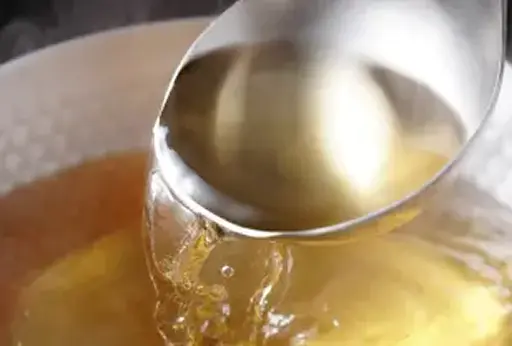
2. The major substance discovery
Dr. Kikunae Ikeda perceived umami most intensely in dashi broth, traditional in Japanese cuisine, prepared with dried seaweed (kombu), bonito flakes and/or dried shiitake mushrooms, and identified the amino acid glutamate as responsible for conferring this taste. In 1908, he extracted crystals of free glutamate from kombu (the base of dashi). From this extraction, a large-scale production technique was developed to make umami accessible to everyone, making people’s diets more pleasant and delicious. This substance is available under various brands, such as AJI-NO-MOTO®.
-
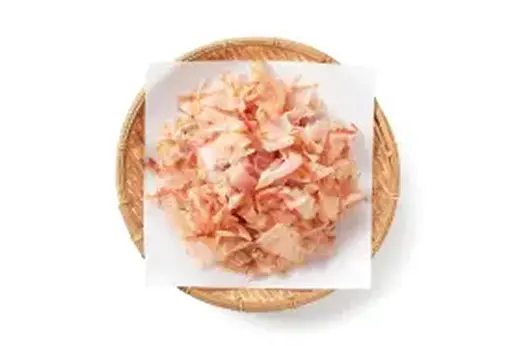
3. One more umami component
In 1913, Shintaro Kodama, lead disciple of Professor Ikeda, identified the nucleotide inosinate as an umami substance in katsuobushi (dried bonito flakes).
-
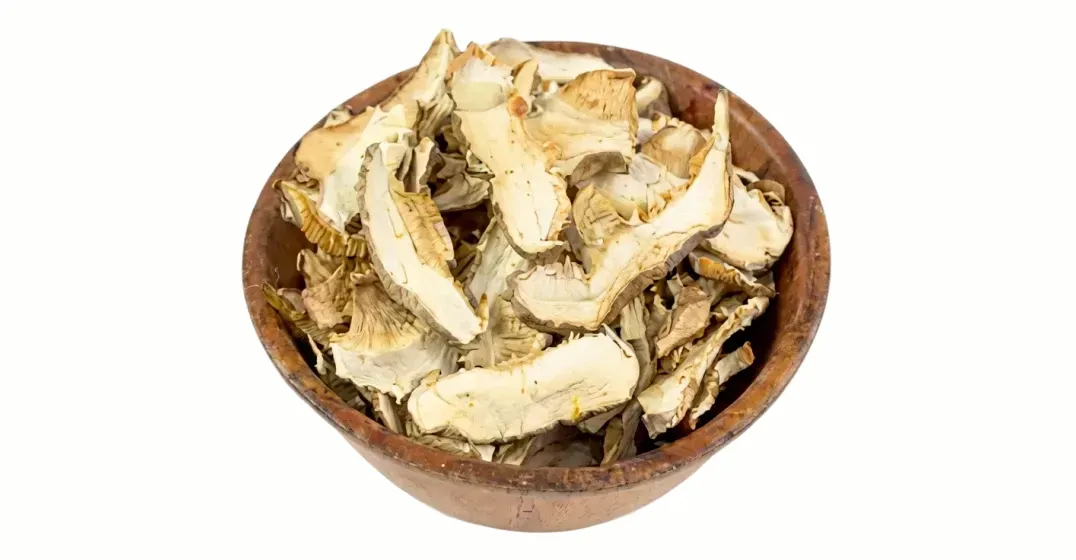
4. Another umami substance identified
In 1957, Dr. Akira Kuninaka discovered the nucleotide guanylate as an umami substance present in dried shiitake mushrooms.
-

5. Umami in kitchens around the world
From 1908 onward, umami crossed Japanese borders, winning over palates in the world’s most diverse cuisines. The fifth taste began to spread widely, gaining visibility among chefs, home cooks and, of course, the scientific community. From there, institutes, organizations, and information and research centers dedicated to umami were founded.
-
6. Scientific confirmation of umami
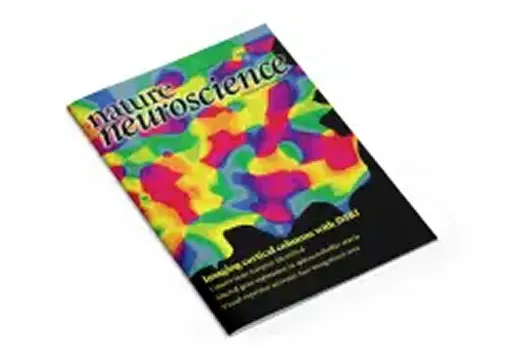
In 2000, umami was scientifically recognized. A study published in Nature Neuroscience confirmed the presence of specific receptors for umami on the human tongue, classifying it as the fifth basic taste of the human palate.
-

7. Umami in schools
Today, knowledge about umami is included in official textbooks used in schools throughout Brazil.
Umami Committee
, Sharing umami with everyone
Umami Committee
, Sharing umami with everyone
Discover the origin of Umami Committee Brazil and see how it operates.
Study, discuss, and publicize topics about umami
Umami Committee Brazil was created to popularize the fifth basic taste across the country.
Believing in the importance of spreading the benefits of umami, the committee created the Portal Umami, an official channel that disseminates information for educational, non-profit purposes.
Everything you see here about the fifth taste is the result of cooperation among various professionals who have joined forces to inspire ever greater use of umami in Brazilian cooking and nutrition.
Check out the technical areas represented on the Umami Committee:
Check out the technical areas represented on the Umami Committee:
-

Food Engineering
-

Nutrition
-

Pharmacology
-

Food Legislation and Safety
-

Food Science
-

Toxicology
-

Communications
-

Gastronomy
Our mission
To be an official source of information in Brazil and Latin America on umami and its benefits, by sharing high-quality scientific content with the technical community and society at large.
Work with a special touch
Work with a special touch
When it comes to umami, we go deep to seek out the most qualified information available. That’s why our work is carried out in association with the global Umami Information Center, bringing together reliable, science-based data.