
Fish Week: food with a pronounced umami taste | Press
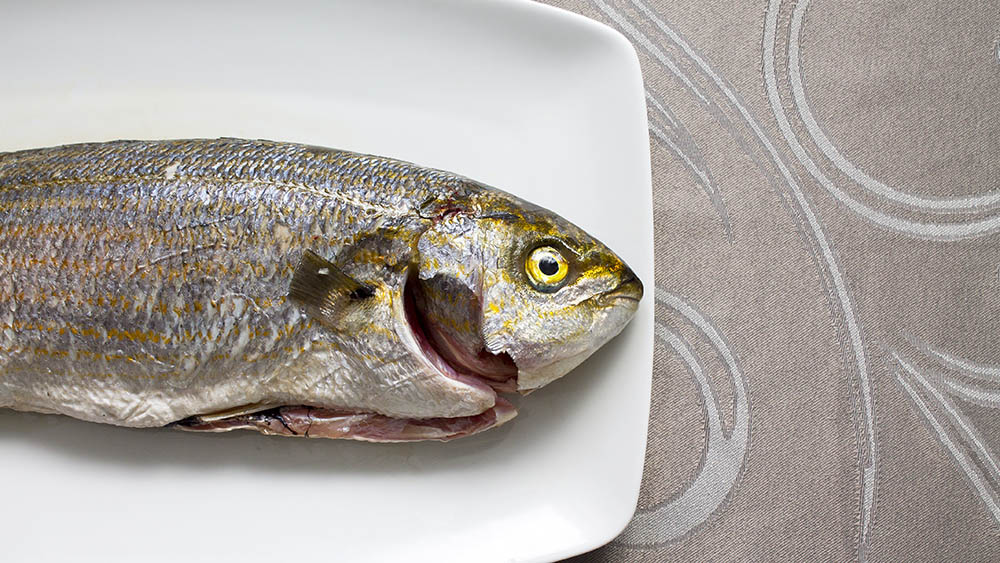
Fish are sources of lean protein, minerals, and B-complex vitamins.
São Paulo, September 2017 – It’s no news that Brazil has one of the greatest culinary diversities in the world. With a rich and flavorful cuisine, the country has been increasing its consumption of fish prepared in many ways—raw, marinated, baked, stewed, grilled, and more. According to the Food and Agriculture Organization of the United Nations (FAO), Brazil is expected to reach a per-capita fish consumption of 12.7 kg per year by 2025.
This increase can be seen as a major step toward improving public health in Brazil and is a great topic for discussion during Fish Week 2017. Fish are excellent sources of protein, rich in minerals, omega-3s, and B-complex vitamins, and they have high levels of healthy fats—making them great substitutes for red meats. “In addition, fish have a pronounced umami taste, providing many health benefits such as aiding protein digestion, improving food acceptance, and helping maintain oral hygiene,” says chef and nutritionist Lisiane Miura. To perceive umami in fish, sardine, bream, tuna, anchovy, and mackerel are highly recommended.
Saltwater fish contain significant concentrations of umami substances—namely the amino acid glutamate and the nucleotide inosinate. Preservation processes that use salting can also increase the concentration of umami substances because of maturation. “During maturation, fermentation alters the flavor of foods, releasing higher concentrations of amino acids such as glutamate,” explains the chef.
The nutritionist also shares valuable tips for choosing fish when shopping. Pay attention to the following:
- Shiny, firm skin or hide, without spots or surface lesions;
- Translucent scales well adhered to the skin;
- Firm, moist, spotless flesh. If the fish is whole, the flesh should be firmly attached to the backbone;
- Protruding, bright eyes, filling the entire cavity and without a whitish look;
- Reddish gills, free of mucus (slime);
- A characteristic odor reminiscent of the sea and sea plants.
To maintain quality, the specialist explains that “because they are highly perishable, fish should preferably be purchased fresh.” Also, due to the delicate flesh, cooking times are usually shorter than those for meats such as beef and pork.
UMAMI
It is the fifth basic taste of the human palate, discovered in 1908 by Japanese scientist Kikunae Ikeda. It was scientifically recognized in 2000, when researchers at the University of Miami confirmed the existence of specific receptors for this taste on the taste buds. The amino acid glutamic acid and the nucleotides inosinate and guanylate are the main umami substances. Two key characteristics of umami are increased salivation and a lingering taste for a few minutes after eating. To learn more, visit portalumami.com.br and follow on social media at facebook.com/GostoUmami and instagram.com/ogostoumami.
Fish Week: food with a pronounced umami taste | Press
-
Telephone
+55 (11) 3165-9595 / 91665-8665
-
Email
umami@fsb.com.br
Related news
- Notícia
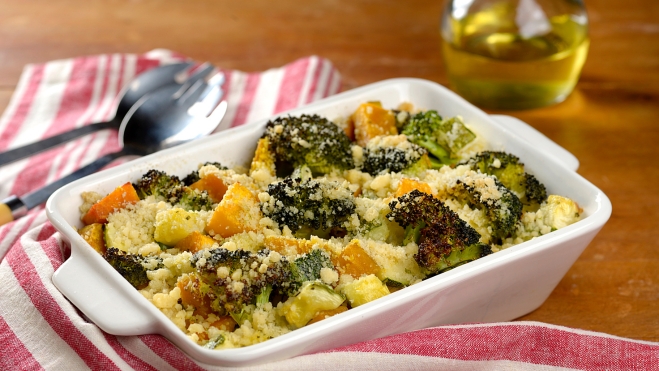
Less Salt, More Umami: Try Flavorful Recipes with Reduced Sodium
- Notícia
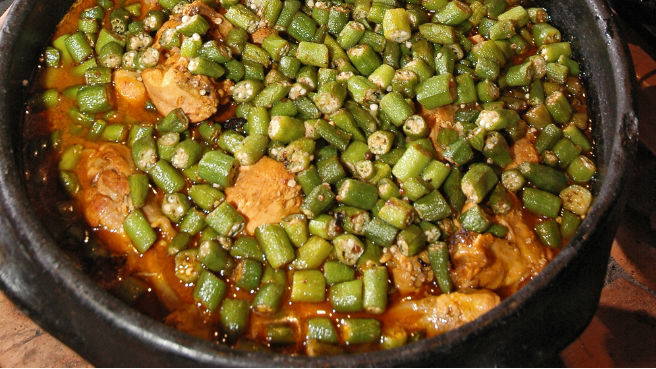
Minas Gerais Cuisine: Chef Explains What Makes the Region’s Dishes So Flavorful

- Notícia
Golden August: the first strategic asset of our lives is breastfeeding.
- Notícia