Umami in your kitchen
It is in tomatoes, cheese, fish… in many everyday foods. See where to find the fifth basic taste.

Idioma
Idioma
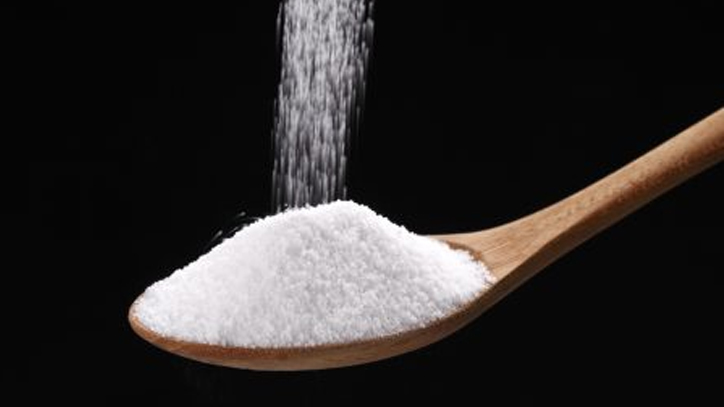
Monosodium glutamate is nothing more than a flavor enhancer made from glutamic acid, an amino acid present in foods such as meats, cheeses, tomatoes, and mushrooms, and also in our body. In addition to the benefits for the palate, it is an important ally in reducing sodium consumption.
The sodium present in the salt we consume can cause health problems when ingested in excess, especially regarding blood pressure. Hypertension is one of the biggest health problems in Brazil and worldwide, and sodium is a nutrient that, although essential, raises blood pressure when consumed in excess. That is where monosodium glutamate comes in, as it enhances the flavor of foods without salting, since it has three times less sodium compared to table salt.
How much MSG to use to reduce sodium?
The substance helps reduce salt consumption, since the intake of 1 gram of glutamate in the form of a food additive contains 123 mg of sodium, while the same amount of salt contains 388 mg, which allows for a possible sodium reduction of up to 37%. The equation for using it in cooking is simple: just reduce the usual amount of regular salt used in the recipe by half and replace that half with monosodium glutamate.
The combination of the two ingredients is necessary because MSG does not salt, and simply reducing the amount of salt would compromise the flavor of the preparation. Monosodium glutamate and glutamic acid have the exact same glutamate molecule, both are quickly absorbed by the intestine, do not accumulate in the body, and are metabolized in the same way by the human body.
Produced here in Brazil through the fermentation of sugarcane (by a process similar to the production of yogurts, beers, wines, and breads), glutamic acid gives foods the umami taste, providing a tastier meal and also increasing salivation, which helps with digestion.