Umami in your kitchen
It is in tomatoes, cheese, fish… in many everyday foods. See where to find the fifth basic taste.

Idioma
Idioma
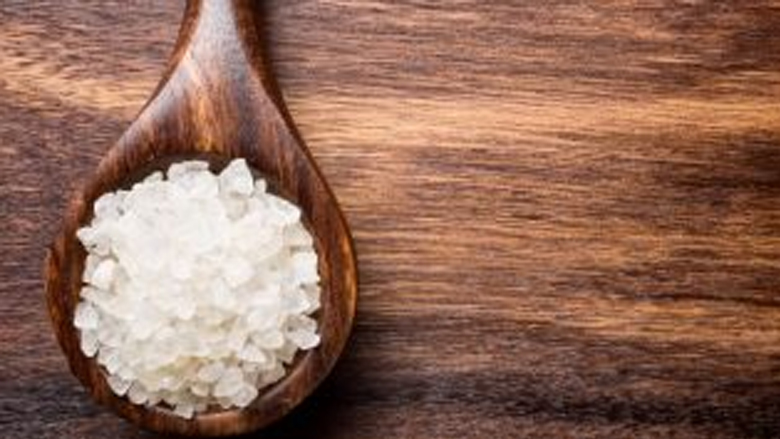
Do you put salt on your French fries? On your salad? And to season foods like beans and rice? These questions have an obvious answer, which says a lot about our eating routine and, above all, about our health. Brazil is among the countries that consume the most sodium in the world, a substance present in salt and responsible for several serious diseases, including arterial hypertension, popularly known as “high blood pressure.” It’s time to rethink habits and look for alternatives.
According to the WHO (World Health Organization), the ideal is to consume 5 grams of table salt per day — the equivalent of two small packets. Brazilians, however, consume on average 12 grams, more than double! It may seem like just another trivial health statistic, but according to the WHO, if this difference were reduced, the number of deaths from strokes could decrease by 15%, deaths from heart attacks by 10%, and about 1.5 million Brazilians would no longer need medication for hypertension. Life expectancy could increase by up to four years – in other words, we would live longer and healthier.
Why is it so bad?
Basically, our body always tries to maintain a balance between the amount of water and sodium. When we ingest too much table salt, we end up with excess sodium in the blood, which our body compensates for by retaining more water. As a result, blood volume increases, as does the pressure it exerts on artery walls: the individual develops high blood pressure.
It’s true that sodium is also present in other substances, not just in table salt. However, data show that the main culprit is inside the home. In his lecture at the XXIII Congress of the Brazilian Society of Hypertension, the country’s main event on blood pressure, Professor of Food Toxicology at the Department of Food Science at Unicamp, Dr. Félix Reyes, was clear: “most of the sodium we consume comes from the salt we use every day to season the food we ourselves prepare.”
The main difficulty in reducing sodium consumption is that salt is the primary seasoning at the table. Eliminating it makes eating less enjoyable. In this context, monosodium glutamate has a power that few people know: when used in the proportion indicated below, it considerably reduces the amount of sodium in a meal, while maintaining the same acceptance. By replacing half a teaspoon of salt you use to season a pot of rice, for example, with half a teaspoon of monosodium glutamate, your food will already have 25% less sodium and the same flavor success it would have if made only with salt.
“Monosodium glutamate has about 1/3 of the amount of sodium present in table salt,” notes Reyes. In addition, it is one of the components responsible for adding umami taste to foods. Another way to experience the fifth taste is through foods in which it is naturally present, such as tomatoes, Parmesan cheese, and mushrooms. Tasty and healthy: with this combination, no one can resist!
To test whether your plate of beans and rice has too much sodium, check out our game, which teaches you exactly how to reduce the amount of this substance in your dishes, ensuring the protection of your health.