Umami in your kitchen
It is in tomatoes, cheese, fish… in many everyday foods. See where to find the fifth basic taste.

Idioma
Idioma
It is a well-known fact that the contemporary diet carries some health risks. The so-called “bad cholesterol” is a direct result of daily dietary excesses, but the fat from beef cuts such as picanha, for example, does not act alone in this story. Other factors, such as stress, smoking, alcohol, and obesity, can lead to an increase in the levels of this type of cholesterol, which plays an important role in the occurrence of blood vessel blockages.
Discover the history of umami
The best way to prevent it is by acting on these factors. “Saturated fats, present in fatty foods such as oils, bacon, and lard, contribute to the increase of bad cholesterol.” The warning comes from nutritionist Luciana Ragazzon. According to her, the ideal is to prioritize unsaturated fats, found in plant-based foods such as fruits, vegetables, greens, and grains.
For Luciana, when it comes to meats, the menu should include fish such as salmon, tuna, and trout. “Fish contains omega 3, a good fat that helps reduce triglyceride and cholesterol levels.” In addition to other umami foods, such as tomato, which has antioxidant nutrients like lycopene, and onion, with its anti-inflammatory action that inhibits clot formation in blood vessels.
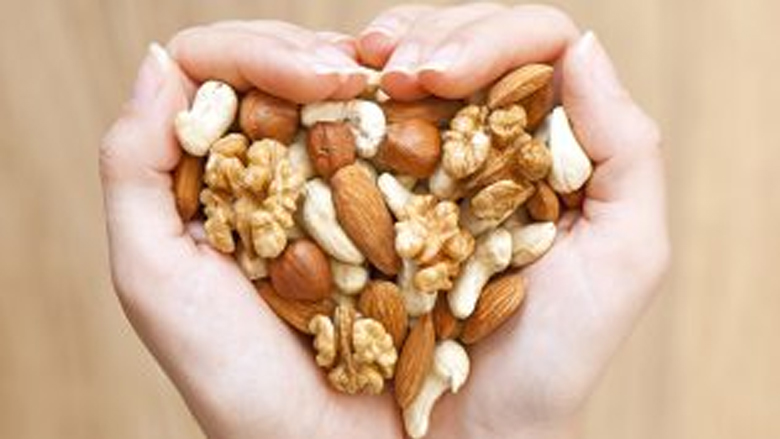
Nuts, such as walnuts and cashews, contain omega 3, magnesium, and selenium, powerful antioxidants that help balance cholesterol levels and fight cellular aging, preventing heart disease. “These foods also contain arginine, an amino acid found in meats, fish, and milk with an important role in the immune system. In addition, it reduces bad cholesterol levels and acts as an artery vasodilator, helping lower the risk of coronary disease,” explains the nutritionist.
A good option is flaxseed, Luciana suggests. “Because it is very rich in omega 3, it helps lower total and bad cholesterol levels while increasing good cholesterol levels. Since the shell is resistant to the action of gastric juice, the ideal is to grind the seed, enhancing its benefits.”
As a final recommendation, the nutritionist highlights the importance of physical activity in cholesterol control. “Avoid stressful situations and exercise regularly. Control your weight and, if you take medication, take it correctly,” she concludes.
Foods that help control cholesterol: