Umami in your kitchen
It is in tomatoes, cheese, fish… in many everyday foods. See where to find the fifth basic taste.

Idioma
Idioma
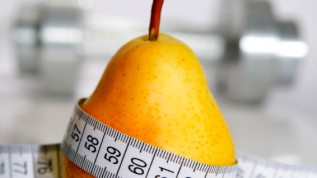
Contrary to what is often proposed, proteins, carbohydrates, and even fats cannot be left out of anyone’s menu. Every day a new diet promises to slim the silhouette in record time. It’s the moon diet, the soup diet, the protein diet. All with food restrictions that are hard to follow – and tied to the inevitable yo-yo effect: the person loses weight, but then quickly regains it (usually double).
And most importantly: limited menus, without the essential nutrients for the proper functioning of the body, can harm both physical and psychological health.
Contrary to what is proposed, proteins, carbohydrates, and even fats cannot be left out of anyone’s menu – not even for those who want to lose weight. The lack of these components in the diet can hinder weight loss and compromise health, causing vitamin deficiencies, weakness, dizziness, and mood swings.
Carbohydrates, for example, act as the body’s fuel. Their absence makes the body look for another way to obtain energy and, for this, it primarily uses proteins.
In turn, when protein consumption is reduced, muscle mass loss may occur. As for fats – also known as lipids – they help in hormone production and in maintaining the immune system, in addition to providing energy. Removing them completely from meals can unbalance hormone levels and leave the body unprotected against diseases.
Moderation is key
But those who want to lose weight should consume them in moderation, especially the more caloric nutrients such as carbohydrates and fats.
That’s where many slip: carbohydrates and fats are tasty. The first is present in bread, potatoes, rice, pasta, cassava, sweets, and many other delights. The second is part of preparations that also win over the palate: fried foods. How can one resist those mouthwatering treats?
The tip is to bet on vegetables, greens, and white meats. But before you say this is an impractical swap, know that it is possible to make these foods more appetizing, making the transition from greasy food to healthy eating less difficult.
Use umami
Umami can be a good ally in the pursuit of ideal weight, unlike sweet and salty, which can facilitate fat accumulation on the silhouette (and in the arteries) or fluid retention in the body.
One of the main characteristics of the fifth taste is precisely making preparations more attractive, since it pairs very well with other basic tastes such as salty, sour, and bitter. Glutamic acid (or glutamate), inosinate, and guanylate, substances responsible for imparting umami taste, have the property of harmonizing the other flavors.
It increases the perception of saltiness, inhibiting the bitter sensation and blocking strong and undesirable flavors. In fact, it is possible to use glutamate to season foods and reduce at least 25% of the sodium content in the preparation.
Since salt is rich in sodium, using it in large amounts can cause water retention. If you use 1 teaspoon (5 g) of salt to season 500 g of meat, you can cut the salt quantity in half if you replace it with umami seasoning: 2.5 g of salt + 1.5 g of glutamate are enough to season the same amount of meat, achieving the same acceptance of the dish.
Foods with a low glycemic index
In addition to the amount of carbohydrates, it is important to pay attention to the glycemic index, that is, the speed at which sugars are absorbed. Prefer those with a low index. See some options below:
– Raw carrot;
– Broccoli;
– Cucumber;
– Eggplant;
– Spinach;
– Tomato (it’s umami: 246 mg of glutamate per 100 g of food);
– Cabbage (it’s umami: 50 mg of glutamate per 100 g of food);
– Lentils;
– Whole-wheat ravioli;
– Whole milk;
– Zucchini;
– Sweet potato.