Umami in your kitchen
It is in tomatoes, cheese, fish… in many everyday foods. See where to find the fifth basic taste.

Idioma
Idioma
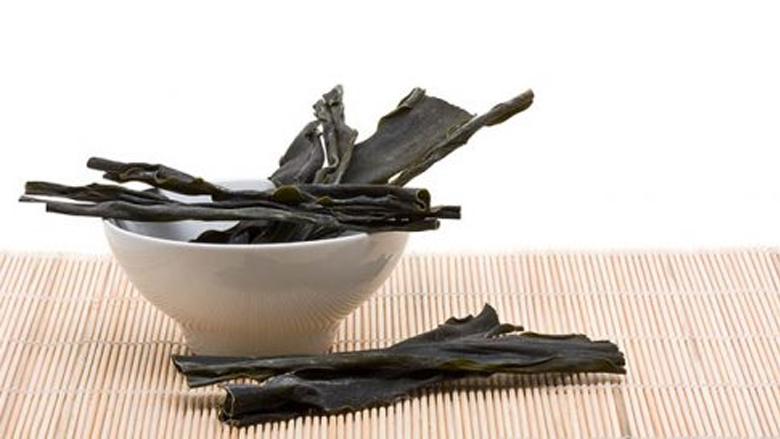
Not everyone knows, but seaweeds are not only used to wrap sushi and temaki. They are quite versatile and can be used in soups, salads, fillings, or even as snacks. Particularly, Kombu – very present in Asian cuisine – is one of the most umami and, in addition, brings several health benefits.
Like other seaweeds, Kombu has a large amount of minerals that it absorbs from the sea. Especially noteworthy are calcium, which helps in the formation of bones and teeth, blood clotting, and memory; iron, which reduces the risk of anemia; and iodine, which ensures proper thyroid function.
Kombu also aids digestion and proper intestinal function. This is because it contains fibers that are not digested in the intestine and consequently increase the feeling of fullness. Due to its high levels of essential amino acids, which are responsible for the umami taste, it is also a source of protein.
The seaweed also contains a series of vitamins such as K, which, in addition to having an anti-hemorrhagic function, also helps maintain the proper functioning of the gastrointestinal system; A, C, E and B12, which boost immunity, aid in metabolic reactions, are antioxidants, improve healing, and prevent various diseases.
A bit of history
Many mysteries surround the origin of Kombu seaweed. Everything indicates that it was already used during the Jomon period (the first Japanese civilization), which ended in 200 B.C. However, Japanese literature first recorded the existence of Kombu in the 8th century, in the Tohoku region.
In the Muromachi Period (1336 to 1573) new conservation and cultivation techniques were created, mainly with the aim of increasing the shelf life of the seaweed, which until then was very short. Thus, the city of Tohoku began exporting it to other regions of Japan.
It was only during the Edo Period (1603 to 1868), when the Japanese from Honshu colonized Hokkaido, in the far north of the country, and opened new maritime routes, that the seaweed was finally spread throughout all regions of Japan. To this day, approximately 90% of Kombu seaweed is cultivated in Hokkaido.
Kombu is used as one of the base ingredients to prepare dashi broth. You may not know it by name, but you have certainly tasted it in Japanese restaurants, as it is one of the most widely used seasonings in the country’s cuisine. It was through the analysis of this broth that Japanese scientist Kikunae Ikeda, in 1908, discovered the existence of the umami taste, which has the incredible power to enhance the flavor of food (learn more here), making everyday meals much better.