
Umami Day: Discover 6 Types of Foods That Help Create Flavorful, Balanced Meals
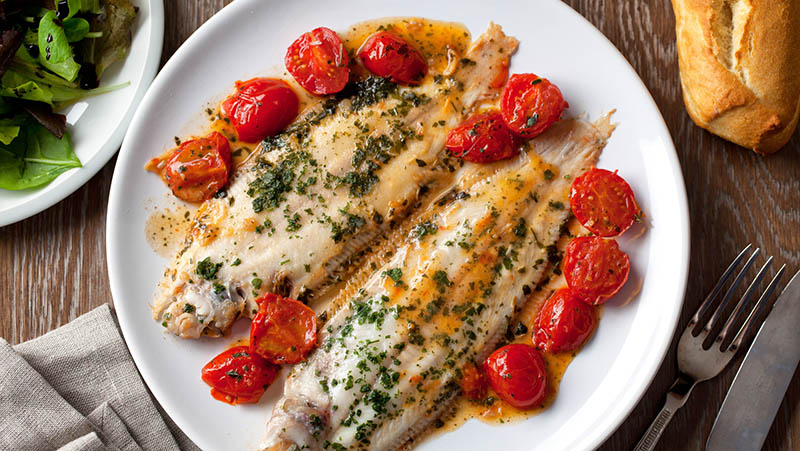
In addition to giving dishes a special touch, it offers several benefits for the body, such as improving food acceptance among children and older adults.
July 2020 – Celebrating culinary dates is a true feast of flavor and history, and the tastiest date on the calendar is no different. On the 25th, we celebrate Umami Day—the date on which the fifth taste of the human palate was discovered by professor and researcher Kikunae Ikeda in 1908, in Japan.
Of Japanese origin, the word umami means “savory,” “delicious.” Named by the scientist, the term has long been used in Japanese vocabulary for centuries. Its writing derives from “umai,” which means “delicious,” and “mi,” which means “taste.”
Just like sweet, salty, sour, and bitter, the fifth taste also occurs naturally in different foods. In addition to adding a special touch to dishes, it offers several benefits to the body, such as improving food acceptance among children and seniors, helping maintain oral hygiene and protein digestion, and reducing sodium. To mark the date, the Umami Committee—the organization responsible for promoting the fifth taste in Brazil—has prepared a list of six food groups that provide umami. They’re easy to find, highly nutritious, and versatile.
Check them out and enjoy the full potential this taste can offer:
Seaweeds
Umami is very present in Eastern cuisine thanks to the consumption of dashi, a stock made with seaweed, fish, and mushrooms. Seaweeds are sources of iron, niacin (vitamin B3), and iodine—minerals that are very important for human health. Besides being beneficial, they’re also very versatile.
Soy-Based Foods
In addition to being nutritious, these plant-based ingredients are rich in protein, making them lighter options to include in your daily menu. Miso broth or dishes with tofu, for example, are excellent choices to ensure intake of nutrients such as the amino acid tryptophan—essential for regulating the body’s anxiety-related hormones—and they are sources of umami. Along the same lines, tempeh is a great option that brings versatility to recipes and benefits to the body.
Cheeses
A Brazilian favorite, cheeses are among the most representative umami foods. All cheeses display the fifth taste quite prominently, and parmesan is the best option to perceive it.
The longer a food is aged, the higher its natural glutamate concentration—and, consequently, umami. The fifth taste also favors pairing cheeses with other accompaniments such as coffee and wine. In these combinations, the taste buds produce a greater volume of saliva, which softens the astringency and bitterness of the drinks.
Fish and Seafood
Another umami-rich group is fish and seafood. Shrimp, crab, sardines, and salmon are excellent options. These foods are high in protein, supporting antibody production and boosting energy. Due to their strong glutamate content, seafood expresses the fifth taste quite clearly.
Meats
Most protein sources also contain umami. This is the case with meats, which can help increase muscle mass, providing greater strength and endurance. As with cheeses, the longer the aging time, the higher the umami concentration.
Cereals, Greens, Vegetables, and Tubers
The fifth taste is present in some grains, vegetables, leafy greens, and tubers such as asparagus, carrot, potato, onion, corn, broccoli, kale, arugula, and spinach. Colorful dishes are not only highly nutritious—they can also deliver umami. By enhancing flavors perceived by the palate, they are great options for daily meals for children and older adults, promoting better food acceptance.
UMAMI
It is the fifth basic taste of the human palate, discovered in 1908 by Japanese scientist Kikunae Ikeda. It was scientifically recognized in 2000, when researchers at the University of Miami confirmed the existence of specific receptors for this taste in the taste buds. The amino acid glutamic acid and the nucleotides inosinate and guanylate are the main umami substances. The two main characteristics of umami are increased salivation and the persistence of taste for a few minutes after ingestion. To learn more, visit www.portalumami.com.br.
Umami Day: Discover 6 Types of Foods That Help Create Flavorful, Balanced Meals
-
Telephone
+55 (11) 3165-9595 / 91665-8665
-
Email
umami@fsb.com.br
Related news
- Notícia
Less Salt, More Umami: Try Flavorful Recipes with Reduced Sodium
- Notícia
Minas Gerais Cuisine: Chef Explains What Makes the Region’s Dishes So Flavorful

- Notícia
Golden August: the first strategic asset of our lives is breastfeeding.
- Notícia