
Umami and Monosodium Glutamate Were the Focus of a Lecture | Press
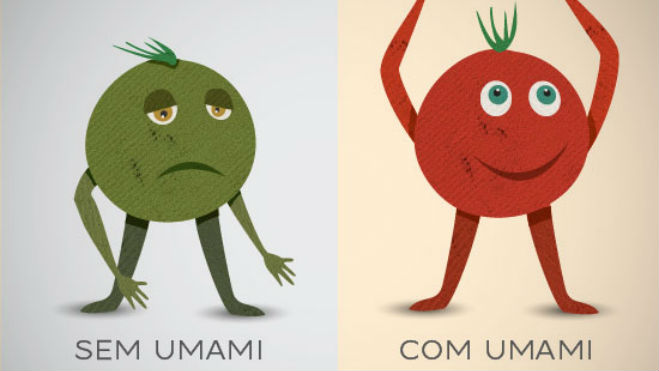
São Paulo, September 2015 – The 19th Brazilian Congress of Nutrology began on Wednesday, September 23, at the Maksoud Plaza Hotel in São Paulo, featuring important discussions for the medical community. On the second day of the event, Yoko Obayashi, director of Ajinomoto North America, delivered a symposium on the Umami taste—one of the five basic tastes of the human palate—its relationship with monosodium glutamate, and the use of this additive as an ally in sodium reduction.
Titled “Umami, the 5th Taste and Monosodium Glutamate: Important Allies in Sodium Reduction,” the presentation dispelled myths linking the food additive to health issues such as headaches, the so-called Chinese Restaurant Syndrome, and obesity; it emphasized its safety and demonstrated how monosodium glutamate can serve as an alternative to reduce sodium intake.
According to Obayashi, sodium chloride contains 39% sodium, while monosodium glutamate contains only 12%. “When used correctly, it can reduce sodium consumption by up to 30% without changing the flavor,” stated the specialist. Furthermore, the fifth taste—Umami—was described as “a delicious flavor naturally found in foods such as cheeses, tomatoes, cured products, and meats.”
“Vegetables are good examples of ingredients with a high concentration of glutamate. Tomatoes, for example, contain about 200 mg of glutamate per 100 g. Cheeses and fish broths exceed this amount,” she explained. In other words, incorporating key foods can help reduce sodium chloride intake and consequently assist in controlling conditions such as hypertension.
Obayashi also presented a study suggesting that the consumption of monosodium glutamate, by promoting a feeling of satiety, may reduce the intake of high-calorie and/or fatty foods.
Safety
“Monosodium glutamate is consumed in more than one hundred countries, and its market grows between four and five percent per year. The additive is one of the substances responsible for the Umami taste and is naturally produced through the fermentation of raw materials such as sugarcane.” According to the United States Department of Agriculture (USDA), its production is considered safe.
UMAMI
It is the fifth basic taste of the human palate, discovered in 1908 by Japanese scientist Kikunae Ikeda. It was scientifically recognized in 2000, when researchers at the University of Miami found specific receptors for this taste on taste buds. The amino acid glutamic acid and the nucleotides inosinate and guanylate are the main Umami substances. The two main characteristics of Umami are increased salivation and the lingering taste that remains for a few minutes after eating. To learn more, visit www.portalumami.com.br.
Umami and Monosodium Glutamate Were the Focus of a Lecture | Press
-
Telephone
+55 (11) 3165-9595 / 91665-8665
-
Email
umami@fsb.com.br
Related news
- Notícia
Minas Gerais Cuisine: Chef Explains What Makes the Region’s Dishes So Flavorful

- Notícia
Golden August: the first strategic asset of our lives is breastfeeding.

- Notícia
Easter Sunday: check out five recipes that will awaken the umami taste on this special date

- Notícia