
On Chemist’s Day, learn about the discoverer of umami | Press
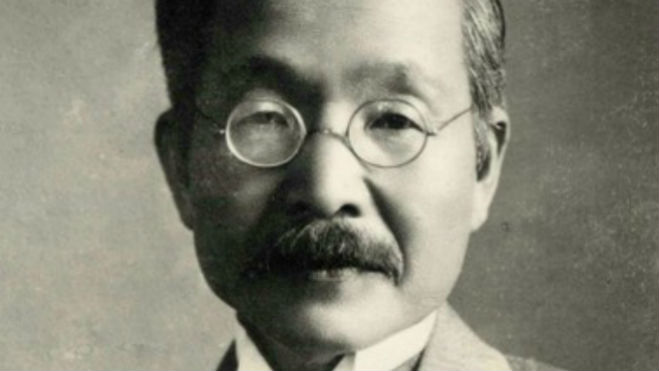
Dr. Kikunae Ikeda, professor of Chemistry at the Imperial University of Tokyo who, in 1908, discovered the Umami taste, whose translation in Portuguese means “tasty” or “delicious.”
To celebrate Chemist’s Day, the Umami Committee shares the story of Dr. Kikunae Ikeda, professor of Chemistry at the Imperial University of Tokyo who, in 1908, discovered the Umami taste, whose translation in Portuguese means “tasty” or “delicious.” He delved deeper into the subject when trying Kombu Dashi, a typically Japanese soup, which, according to him, was “mouth-watering.”
From there, he began his research with the extraction of glutamic acid (a non-essential amino acid, naturally produced by the human body), a substance abundant in the Kombu seaweed – the main ingredient of the preparation. After isolating glutamic acid, the chemist began developing the process for manufacturing this substance. The first attempt was not effective, as the substance was in an effervescent form, which was not very appealing. Some studies later, he arrived at a production process through fermentation.
This discovery placed him among the ten greatest Japanese inventors, according to the country’s Patent Department, thus contributing to the development of industries in various sectors in Japan – among them Ajinomoto, the world leader in the manufacture of amino acids.
Although discovered in 1908, the umami taste was only recognized by the scientific community in 2000, as the fifth basic taste of the human palate, when researchers from the University of Miami found specific receptors in the taste buds.
Blog
To further popularize the fifth basic taste, still little known to the Brazilian public in general, the Kikunae blog was launched. In a casual way, the blog presents general information on the subject and features news, scientific studies, recipes, and much more.
The creation and updating of all the content of the portal is the responsibility of the Umami Committee Brazil, a group created to discuss and disseminate topics related to the fifth basic taste of the human palate, Umami. It is also connected to the Umami Information Center (UIC), a non-profit organization dedicated to research on the subject.
UMAMI TASTE
The Umami taste is the fifth basic taste of the human palate and was discovered in 1908 by Japanese chemist Kikunae Ikeda. However, it was only recognized by the scientific community in 2000, when researchers at the University of Miami found specific receptors in the taste buds. The amino acid glutamate, and the nucleotides inosinate and guanylate are the main substances that provide Umami. Parmesan cheese, tomato, mushrooms, and meats in general are foods that contain these substances in high proportion, and therefore present the fifth taste more strongly. The two main characteristics of Umami are increased salivation and the continuity of the taste for a few minutes after eating the food.
PRESS INFORMATION
racecomunicacao.com.br
(11) 2548-0720 / 2894-5607
nubianeves@agenciarace.com.br
rogerioartoni@agenciarace.com.br
On Chemist’s Day, learn about the discoverer of umami | Press
-
Telephone
+55 (11) 3165-9595 / 91665-8665
-
Email
umami@fsb.com.br
Related news

- Notícia
Less Salt, More Umami: Try Flavorful Recipes with Reduced Sodium
- Notícia
Minas Gerais Cuisine: Chef Explains What Makes the Region’s Dishes So Flavorful

- Notícia
Golden August: the first strategic asset of our lives is breastfeeding.
- Notícia