
Molecular gastronomy helps enhance taste perception | Press
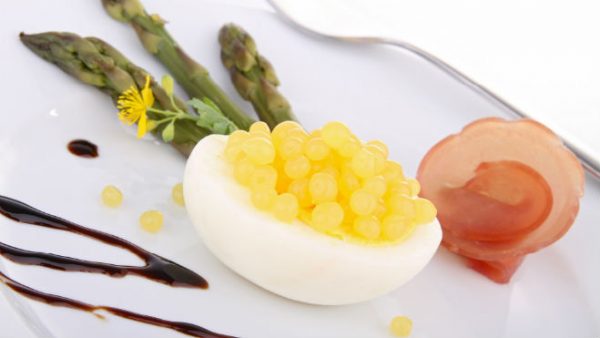
Bubbles that burst in the mouth and release flavor, smoky drinks, and artificial petals are some examples of the revolution this trend brings.
“Modern Cuisine,” as it is called in Brazil, is revolutionizing gastronomy worldwide. Bubbles that burst in the mouth and release flavor, smoky drinks, and artificial petals are just a few examples of the sweeping changes this innovation introduces.
Chefs use these devices to win over the palates of people willing to experience new sensations, and in doing so, they help improve the tongue’s tactile perception. “Through sensations, textures, aromas, expectations, ingredient transformations, and the deconstruction of preparations, molecular gastronomy can assist in gustatory perception,” explains Cássio Prados, chef and specialist in molecular gastronomy.
Changing the texture of foods can help people better perceive the five basic tastes—sweet, salty, sour, bitter, and umami—the last of which was recognized by the scientific community in 2000. According to the chef, when a food is deconstructed—that is, when its texture and appearance are modified—its taste is intensified: “this leaves the ingredients with their original tastes and flavors, enabling full perception,” Cássio clarifies.
The umami taste
Unlike the other, more popular tastes, the fifth basic taste is still not easily identified by the general public. According to Prados, recognizing foods rich in umami should help people identify it. “Seasonings such as Parmesan cheese and tomatoes are excellent examples of umami foods that can be included in preparations to train the palate.”
Even so, the chef believes the “new” taste can be combined with the other four as long as the pairing is done properly, and concludes: “Umami will soon be a revolution. People have to break their paradigms about this taste, just as they have with molecular cuisine.”
UMAMI TASTE
Umami is the fifth basic taste of the human palate and was discovered in 1908 by Japanese chemist Kikunae Ikeda. It was only recognized by the scientific community in 2000, when researchers at the University of Miami found specific receptors on the taste buds. The amino acid glutamate and the nucleotides inosinate and guanylate are the main substances that provide umami. Parmesan cheese, tomatoes, mushrooms, and meats in general are foods that contain these substances in large amounts and therefore have a more pronounced fifth taste. The two main characteristics of umami are increased salivation and a lingering taste for a few minutes after eating.
Molecular gastronomy helps enhance taste perception | Press
-
Telephone
+55 (11) 3165-9595 / 91665-8665
-
Email
umami@fsb.com.br
Related news
- Notícia
Less Salt, More Umami: Try Flavorful Recipes with Reduced Sodium
- Notícia
Minas Gerais Cuisine: Chef Explains What Makes the Region’s Dishes So Flavorful

- Notícia
Golden August: the first strategic asset of our lives is breastfeeding.
- Notícia