
Maturation and Ripening Favor the Intensification of the Umami Taste | Press
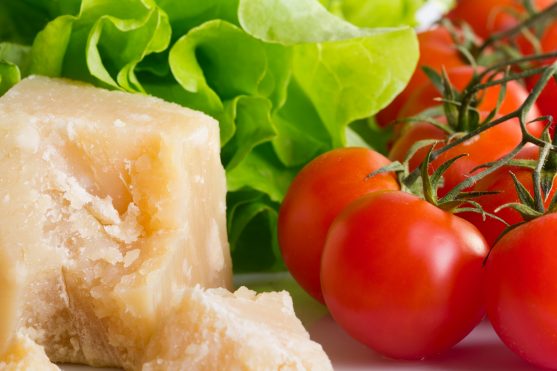
São Paulo, July 2016 – Several factors influence the final outcome of a dish. The proper harmony between tastes, aromas, and flavors is the fine line that separates a good preparation from a true culinary masterpiece. More deeply, the time of maturation and ripening of ingredients must also be taken into account, as these processes are directly linked to the amount of umami substances –one of the five basic tastes of the human palate– present in different categories of food.
“Maturation or ripening are terms used to define the aging of foods. In a natural process, plant-based products such as fruits and vegetables ripen. It is also possible to intentionally ‘age’ foods such as cured meats, sausages, cheeses, and vegetables,” explains Hellen Maluly, PhD in Food Science.
Cheeses, classic examples of matured products with a strong umami character, have a high protein content and undergo this process to develop traits that vary according to the type.
At the beginning of production, after pasteurization, an enzyme is added to separate the whey from the milk caseins. Next, thermophilic bacteria (which grow at temperatures up to 45°C) and mesophilic bacteria (which grow between 20°C and 40°C) are added, initiating fermentation and the production of lactic acid, characteristic aromatic compounds, and carbon dioxide. At this stage, maturation begins, following salting with sodium chloride. The bacteria continue to release acids that promote proteolysis – the breakdown of the peptide bonds in milk caseins. This breakdown leads to the release of amino acids, which become free at the end of maturation.
“One of the amino acids found in the highest concentrations in cheeses –particularly Parmesan, cheddar, and gouda– is glutamic acid, which is responsible for the umami taste. In meats, this amino acid is also released, although the process involves different types of enzymes and microorganisms,” says Hellen Maluly.
In fruits such as tomatoes, biochemical reactions occur naturally during ripening, and enzymatic actions release the amino acid glutamate, giving plant-based foods their umami touch. Hellen Maluly points out the direct relationship between glutamate and the coloration of fruits. “In the case of tomatoes, for example, the redder they are, the higher the presence of this amino acid. This results from biochemical processes that reduce chlorophyll production and increase glutamate during ripening,” explains the specialist.
Although time is the main ally in achieving successful maturation and/or ripening of foods when it comes to umami development, both processes must be carried out meticulously. “There are cheeses and meats that are aged for years before reaching the desired maturation. However, sanitary precautions must be rigorous to prevent pathogenic microorganisms from coming into contact with the product during curing. For this reason, regular analyses must be conducted to ensure there are no contamination risks,” concludes the doctor.
UMAMI
It is the fifth basic taste of the human palate, discovered in 1908 by Japanese scientist Kikunae Ikeda. It was scientifically recognized in 2000 when researchers at the University of Miami confirmed the existence of specific receptors for this taste on the taste buds. The amino acid glutamic acid and the nucleotides inosinate and guanylate are the main Umami substances. The two main characteristics of Umami are increased salivation and the continuation of the taste for a few minutes after eating. To learn more, visit portalumami.com.br
Maturation and Ripening Favor the Intensification of the Umami Taste | Press
-
Telephone
+55 (11) 3165-9595 / 91665-8665
-
Email
umami@fsb.com.br
Related news
- Notícia
Less Salt, More Umami: Try Flavorful Recipes with Reduced Sodium
- Notícia
Minas Gerais Cuisine: Chef Explains What Makes the Region’s Dishes So Flavorful

- Notícia
Golden August: the first strategic asset of our lives is breastfeeding.
- Notícia