
Is monosodium glutamate bad for your health?
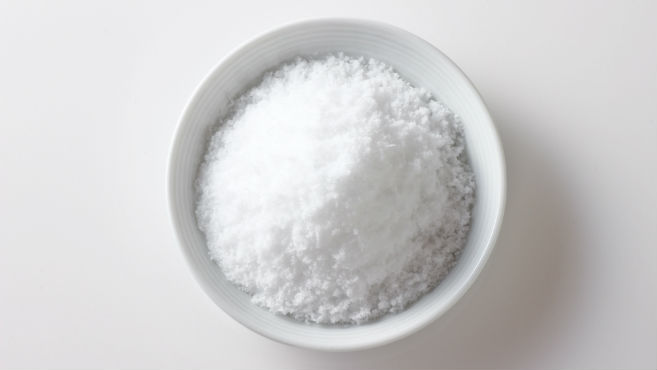
Monosodium glutamate is still surrounded by myths. Clarify your doubts here.
The answer is no, monosodium glutamate is not harmful to your health. Despite being considered a villain by many, the ingredient, responsible for imparting umami flavor (one of the five basic tastes of the human palate, alongside sweet, salty, sour, and bitter), can even be an ally in reducing sodium in everyday preparations.
The myths and truths surrounding monosodium glutamate are numerous. Here, we’ll review some of the most common information about the ingredient.
1) Does monosodium glutamate trigger migraines?
Myth. A series of studies have been conducted with patients that link monosodium glutamate to headaches, including one double-blind placebo-controlled trial (DCPC). Hellen Maluly, a food science professor and umami expert, explains that studies evaluated by government institutions have not identified this type of relationship.
2) Does monosodium glutamate cause Chinese Restaurant Syndrome?
Myth. In 2000, researchers from four renowned North American universities (Harvard, Boston University, University of California, Los Angeles, and Northwestern University) developed a double-blind, placebo-controlled protocol involving increasing doses of monosodium glutamate.
Consuming varying amounts of glutamate, 130 patients who reported sensitivity to monosodium glutamate completed questionnaires. At the end of the study, only two of the individuals analyzed showed consistency in their responses. Therefore, the researchers concluded that it is not possible to link monosodium glutamate to the alleged syndrome.
Furthermore, the American television program Food Detectives—which investigates the safety of certain foods—aired an episode in 2009 called “Food Detectives proved MSG is Safe.” In the episode, 30 healthy people were invited to lunch at a Chinese restaurant. Half of the participants received doses of MSG in their meals, while the other half did not. At the end of the program, people who had not consumed MSG complained of possible symptoms related to the substance. Thus, it was concluded that there is no link between the ingredient and Chinese Restaurant Syndrome.
3) Does the human body recognize glutamate molecules and monosodium glutamate in the same way?
True. Glutamate (or glutamic acid) is an amino acid naturally found in foods such as meats, cheeses, and mushrooms. The substance is also abundantly present in the human body. Free glutamate is the main substance responsible for the umami taste.
Another possible source of free glutamate is monosodium glutamate. This ingredient is the salt of glutamate and is produced through the fermentation process of some foods, such as sugarcane. When it comes into contact with water (present in food and saliva), it releases free glutamate into the environment.
Thus, both glutamic acid (or glutamate) and monosodium glutamate convert to free glutamate, resulting in the perception of the umami taste. Both are perceived and metabolized in the same way by the taste buds, meaning our body recognizes them in exactly the same way.
4) Does monosodium glutamate cause allergies?
Myth. In the book “Umami and Glutamate: Chemical, Biological, and Technological Aspects,” researcher Joel Faintuch, a doctor in digestive system surgery from the University of São Paulo (USP), presents studies that demystify the relationship between the ingredient and allergic reactions. Joel highlights a study in which doses of 1g and 5g of monosodium glutamate were administered to individuals who allegedly suffered from asthma attacks linked to monosodium glutamate. However, none of the individuals analyzed showed a reduction in forced expiratory volume, a test that determines whether or not there was respiratory dysfunction.
5) Is monosodium glutamate linked to hypertension?
Myth. Contrary to speculation, the substance could be an alternative for reducing sodium consumption in foods. In addition to containing approximately 1/3 of the sodium present in conventional table salt, monosodium glutamate could compensate for some of the sensory losses of foods with less sodium, making their flavor more pleasant for the consumer. Although monosodium glutamate is present in some processed products, its consumption by the average population is relatively low and is unlikely to be the main factor in high blood pressure. “Increased blood pressure depends on several factors related to each individual’s lifestyle and cannot be attributed to a single ingredient or product,” explains Hellen Maluly.
6) Monosodium glutamate contributes to food acceptance feeding children and the elderly?
True. A study conducted by Professor J. E. Steiner of the Hebrew University of Jerusalem, published in the book “Umami: A Basic Taste” (1987), found that newborns can perceive and accept the umami taste from the first days of life. The researcher evaluated the babies’ expressions after receiving a solution containing a small amount of each flavor and concluded that when they tasted sweet and umami, the babies appeared satisfied and had a ‘happy’ expression. However, when they tasted bitter and sour, they ‘wrinkled their noses,’ and when they tasted salty, their perception was less clear. “This is because breast milk contains umami substances and also sugars, which is consistent with the results of the tests with the solutions,” explains Maluly.
Regarding the elderly, a study conducted by researchers at Okanoki Hospital in Japan divided the elderly into two groups: one consisting of 14 people with an average age of 83 years and the other of 15 with an average age of 84 years. The first group had 0.5% monosodium glutamate added to each meal. The second group did not have the substance added to their meals. After three months of analysis, the group that consumed the preparations with monosodium glutamate showed significant improvements in food acceptance, in the state nutritional, immunity, and well-being; the control group did not obtain the same results.
7) Can glutamate contribute to preventing obesity in babies?
True. Researchers at the Monell ChemicalSenses Center in Philadelphia, United States, evaluated satiety control, and consequently obesity, in newborns in a study published in 2012. They found that satiety could be directly linked to glutamate—the main substance that gives the umami taste—present in breast milk. Therefore, children who were well-breastfed were less likely to develop weight-related disorders. The research was based on the feeding of 30 newborns, up to four months of age, with three different formulas—two with a higher concentration of glutamate (in free form) and one with a lower concentration. It was observed that when fed formulas rich in glutamate, the babies reached satiety quickly and, therefore, could control their food intake.

UMAMI TASTE
The fifth taste was Discovered in 1908 by Japanese chemist Kikunae Ikeda, it was only recognized by the scientific community in 2000, when researchers at the University of Miami discovered specific receptors in taste buds. Parmesan cheese, tomatoes, mushrooms, and meats in general are the foods that most strongly express this fifth taste. The two main characteristics of umami are increased salivation and the persistence of the taste for several minutes after ingestion.
Is monosodium glutamate bad for your health?
-
Telephone
+55 (11) 3165-9595 / 91665-8665
-
Email
umami@fsb.com.br
Related news

- Notícia
Less Salt, More Umami: Try Flavorful Recipes with Reduced Sodium
- Notícia
Minas Gerais Cuisine: Chef Explains What Makes the Region’s Dishes So Flavorful

- Notícia
Golden August: the first strategic asset of our lives is breastfeeding.

- Notícia