
Discover the umami taste present in Chef Rodrigo Oliveira’s kitchen
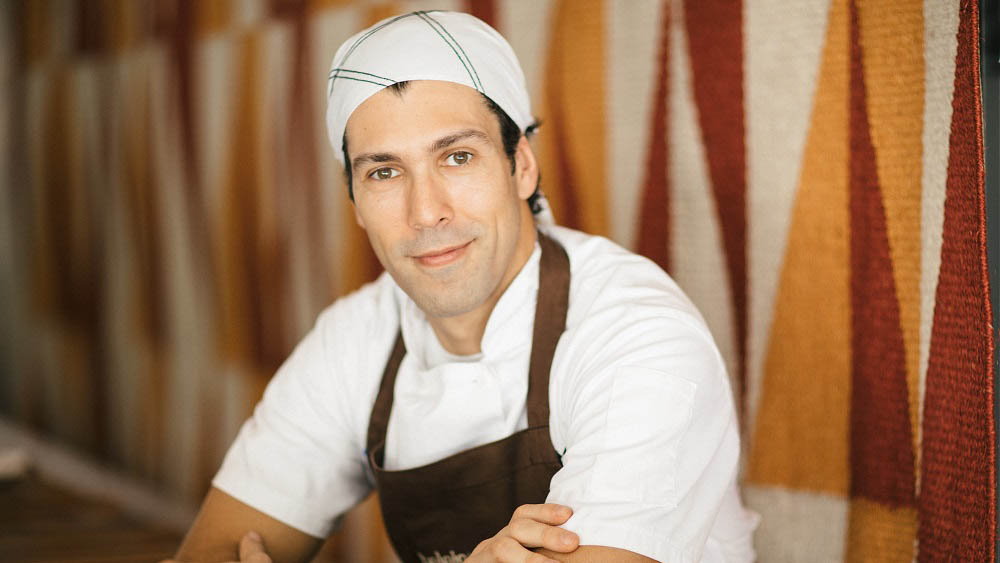
Owner of the restaurants Mocotó and Balaio, the chef highlights that pairing and balancing umami is a fundamental part of creating dishes.
São Paulo, March 2018 – Gastronomy is a fascinating topic on its own, but when it involves tradition, it becomes even more interesting. This is the case of Chef Rodrigo Oliveira, who learned everything about cooking from his father, José Oliveira de Almeida (Seu Zé Almeida). More than that, he became the leader of the restaurant Mocotó, founded by his father in the 1970s and today one of the best restaurants in Latin America according to the British magazine Restaurant. Specializing in Northeastern Brazilian cuisine, the chef shared his close relationship with umami—one of the five basic tastes of the human palate.
Much talked about in recent times, umami has been stealing the gastronomic spotlight around the world, adding an extra touch to every preparation. This was one of the great lessons passed down by Rodrigo’s father. “Umami is something that cooks intuitively seek when they go after perfect caramelization, the reduction and concentration of sauces, the ripest ingredient. It’s something you feel. For me, coming from my father’s kitchen, with that pot cooking, ‘the kitchen of stews,’ it was no different. Perhaps that’s the great trump card of this way of cooking. It’s there in the choice of cured meats, the ripe tomatoes that will be part of the sauces, the collagen-rich cuts we value so much. As well as the delicate balance of spices and salt. All of this exalts umami,” the chef reveals.
In the “quebrada,” the nickname the chef gave to Mocotó, located in Vila Medeiros in São Paulo, umami is everywhere. “Here the great symbol of umami is the ‘Mocofava.’ It’s a stew with very concentrated flavors, built up and reinforced by the caramelization of the ingredients, the smoked and cured meats, in addition to tomatoes and seasonings,” he points out.
With a unique talent, Rodrigo is very proud of his origins: Brazil’s Northeast, which, by luck or fate, is a region whose cuisine is rich in umami ingredients. “Preparations with meat, a hallmark of our Sertão cooking, have a striking umami presence. For example, mocotó broth, carne de sol, or sarapatel. Queijo de coalho is also a food in which the umami taste is quite pronounced and is very present in both backlands and coastal cooking,” he highlights.
And it’s not only the abundance of umami in the region—there’s another reason the chef has a special “fondness” for the umami taste. “There are many reflections and provocations behind a dish, but above all, food has to be delicious. Umami is a fundamental factor in bringing that pleasure to people and creating good memories,” Rodrigo Oliveira concludes.
UMAMI
It is the fifth basic taste of the human palate, discovered in 1908 by Japanese scientist Kikunae Ikeda. It was scientifically recognized in 2000, when researchers at the University of Miami found specific receptors for this taste on the taste buds. The amino acid glutamic acid and the nucleotides inosinate and guanylate are the main umami substances. The two main characteristics of umami are increased salivation and a lingering taste for a few minutes after eating. To learn more, visit www.portalumami.com.br.
Discover the umami taste present in Chef Rodrigo Oliveira’s kitchen
-
Telephone
+55 (11) 3165-9595 / 91665-8665
-
Email
umami@fsb.com.br
Related news
- Notícia
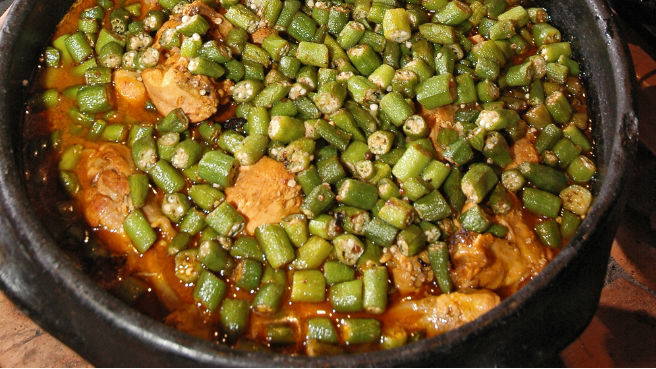
Minas Gerais Cuisine: Chef Explains What Makes the Region’s Dishes So Flavorful

- Notícia
Golden August: the first strategic asset of our lives is breastfeeding.
- Notícia
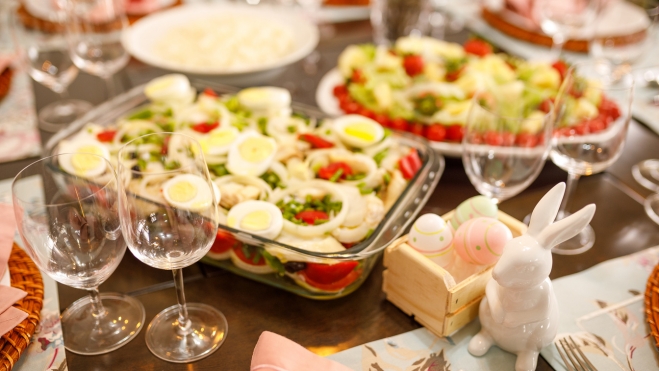
Easter Sunday: check out five recipes that will awaken the umami taste on this special date

- Notícia