
Covid-19: Loss of Taste and Smell in the Elderly
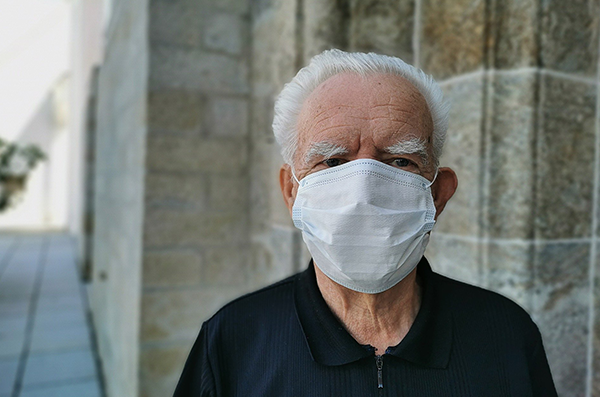
Specialist suggests that expanding contact with the five basic tastes and diversifying aromas is a great way to recover the senses
March 2021 – Among the main symptoms caused by contamination with the Sars-Cov-2 virus, which causes Covid-19, are fever, cough, shortness of breath, and also the loss of taste and smell. These senses may return within four weeks or take months to improve, depending on the severity of the disease.
Changes may include tastes and smells being less sensitive than usual or foods tasting strange and odors being unusual. And when it comes to older patients, the situation can be even more complicated. “It is already common for these somatosensory losses to occur in elderly patients. In addition, saliva production in this group is reduced due to the natural aging process. The problem is that, in the case of virus infection, this condition can worsen, directly interfering with the patient’s nutritional status and weakening immunity – making recovery even more difficult,” points out Dr. Hellen Maluly, food science PhD and consultant to the Umami Committee.
A study conducted by the School of Public Health at the University of São Paulo, in partnership with the Albert Einstein Israelite Hospital, highlights the importance of varying foods for those who have lost (totally or partially) their sense of taste. During the study, outpatients aged 60 to 97 consumed meals featuring the five basic tastes of the human palate: sucrose (sweet), sodium chloride (salty), citric acid (sour), caffeine (bitter), and monosodium glutamate (umami). The results showed that the entire group was able to detect the basic tastes. Most, 86%, detected umami taste; followed by salty (50%), sour (45.7%), bitter (43.2%), and sweet (38.2%) when offered for the first time.
“This is interesting, because umami taste, regardless of its source (whether from foods or in the form of the food additive monosodium glutamate), has helped restore flavor perception in hospitalized elderly patients. This happens because it stimulates saliva production, which moistens the mouth and dilutes aromas, even facilitating the chewing process,” explains Hellen.
The elderly belong to the highest-risk group due to the way their bodies respond to diseases and infections. However, regardless of the cause of sensory loss, Hellen emphasizes that this is concerning because it directly affects quality of life. “Certain care is necessary. Adequate consumption of different food groups to prevent malnutrition is essential so that immunity remains intact, as much as possible, and the body can respond positively to maintain quality of life,” she suggests.
The specialist explains that the best way to attempt recovery or improvement of taste and smell is through expanding contact with the five basic tastes, along with different aromas and other sensations provided by various foods. “In this way, exposure to the senses can make our perceptions more open to the diversity of flavors found in culinary preparations from around the world, allowing us to live life with more pleasure,” concludes Hellen.
See the list of umami foods at: www.portalumami.com.br/alimentos-umami
Covid-19: Loss of Taste and Smell in the Elderly
-
Telephone
+55 (11) 3165-9595 / 91665-8665
-
Email
umami@fsb.com.br
Related news
- Notícia
Less Salt, More Umami: Try Flavorful Recipes with Reduced Sodium
- Notícia
Minas Gerais Cuisine: Chef Explains What Makes the Region’s Dishes So Flavorful
- Notícia
Golden August: the first strategic asset of our lives is breastfeeding.
- Notícia