
Chef Manu showcases umami in typical dishes from Paraná | Press
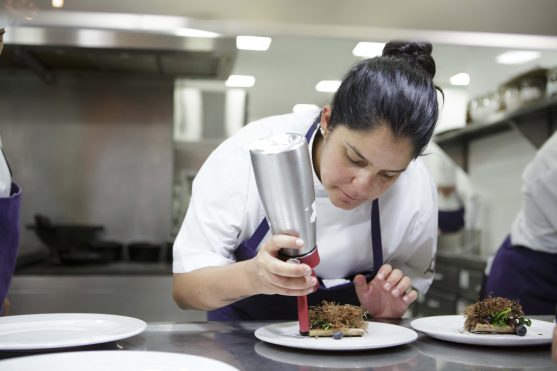
São Paulo, October 2016 – Umami, one of the five basic tastes of the human palate, has been drawing more and more attention from food lovers across Brazil. Curitiba is no different, and the taste discovered in 1908 by Japanese professor Kikunae Ikeda is one of the highlights on the menu at Restaurante Manu, run by chef Manoella Buffara.
With stints at several acclaimed European restaurants—the Italian Ristorante da Vittorio and Ristorante Guido, and Denmark’s Noma by chef René Redzepi—Manu, as she’s known among friends, says her first contact with umami happened outside Brazil. “Umami is quite popular in Europe because that continent’s cuisine is strongly influenced by Japanese and Chinese cooking. There’s a lot of talk about kombu seaweed, which is rich in glutamate, dried bonito, crab, and sea urchin—ingredients widely used in Asian cuisine,” she says.
When she returned to Brazil in 2011, the chef opened her own restaurant, Manu, in her hometown and brought umami as an extra touch to the menu. Some of the umami dishes served at Manu include: sea bass with tangerine and mushrooms; fermented heart of palm with smoked pork and shrimp; and grilled salad with ossobuco beef sauce served with sea urchin, among others.
“Umami is very interesting for surprising guests. Those of us in gastronomy know about this taste, but most people rarely have this perception and are delighted by the discovery,” the chef notes.
Typical Paraná Umami
Born in Curitiba, Manoella also sees umami present in typical dishes from Paraná, especially those featuring pork. “Cracóvia— a pork sausage— and cheese with pork offal are examples of umami-rich dishes from the state, as they contain plenty of glutamate,” says Manu.
Check out the chef’s suggestion for a typical umami recipe from the state:
Quirera (cracked corn) with Cracóvia Sausage
Serves: 10
Ingredients:
- 500 g fine cracked corn (quirera de milho)
- 130 ml extra-virgin olive oil
- 100 g onion, chopped
- 80 g carrot, chopped
- 50 g celery, chopped
- 50 g leek, chopped
- 75 ml dry white wine
- 1.3 L vegetable stock
- Salt
- Black pepper
- 150 g cold butter
- 200 g button mushrooms (Paris), thinly sliced
- Thyme
- 0.5 L beef stock
- 350 g cracóvia sausage, very thinly sliced
- 1 bunch chives (ciboulette)
Method:
- Rinse the cracked corn in cold water and soak for two hours.
- Sauté the onion, carrot, celery, and leek in olive oil. Add the drained cracked corn and sauté well. Pour in the white wine. Stir and let it reduce completely, stirring well.
- Cover the cracked corn with vegetable stock and cook over low heat, stirring carefully so it doesn’t stick. Keep adding vegetable stock little by little until the cracked corn is cooked.
- Season with salt and black pepper if needed. Add 1 teaspoon of the cold butter and stir to melt well. Keep the pan warm.
- In another pan, sauté the mushrooms in the remaining butter, add thyme and the beef stock, and adjust salt and pepper if needed.
- Dehydrate the cracóvia slices by placing them between sheets of paper towel and microwaving in 1-minute intervals until crisp.
- Finish the cracked corn with chopped chives. Transfer to a warmed serving dish.
- Top with the cracóvia slices and spoon over the mushroom sauce. It’s ready!
UMAMI
It is the fifth basic taste of the human palate, discovered in 1908 by Japanese scientist Kikunae Ikeda. It was scientifically recognized in 2000, when researchers at the University of Miami confirmed the existence of specific receptors for this taste on the taste buds. The amino acid glutamic acid and the nucleotides inosinate and guanylate are the main umami substances. Umami’s two main characteristics are increased salivation and a lingering taste for a few minutes after eating. To learn more, visit portalumami.com.br.
Chef Manu showcases umami in typical dishes from Paraná | Press
-
Telephone
+55 (11) 3165-9595 / 91665-8665
-
Email
umami@fsb.com.br
Related news
- Notícia
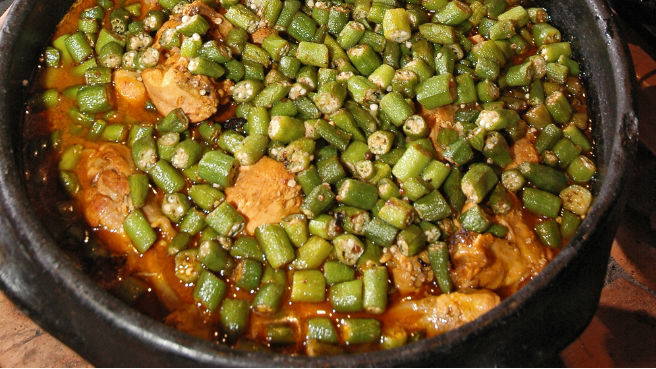
Minas Gerais Cuisine: Chef Explains What Makes the Region’s Dishes So Flavorful

- Notícia
Golden August: the first strategic asset of our lives is breastfeeding.
- Notícia
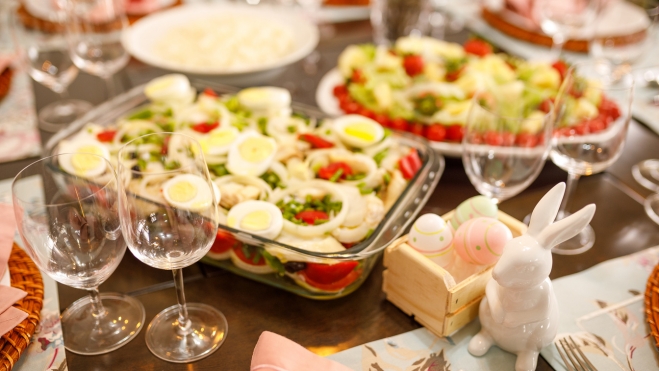
Easter Sunday: check out five recipes that will awaken the umami taste on this special date

- Notícia