Umami in your kitchen
It is in tomatoes, cheese, fish… in many everyday foods. See where to find the fifth basic taste.

Idioma
Idioma
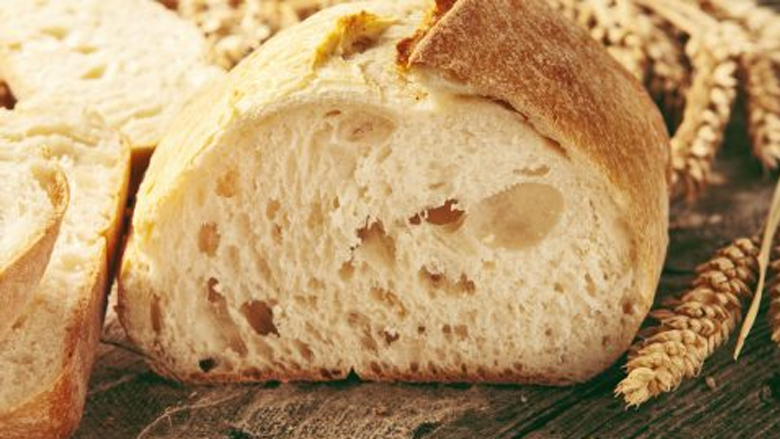
Who doesn’t love warm bread? And nothing beats that wonderful smell of homemade bread fresh out of the oven spreading throughout the whole house. If just thinking about it made your mouth water, save the tips we’ve listed below:
Choose a recipe and set aside the necessary items
To begin, choose a recipe you like (it can be savory or sweet) and gather all the ingredients needed to make it. Ideally, you should have a scale or measuring tools like cups or spoons to measure the correct quantities of each item. Nowadays, digital scales can be found at more affordable prices.
Yeast: which one to use?
You can use commercial baker’s yeast, which is sold fresh (in cubes) or dry (in packets or jars). Both types serve the same function. However, the amount used in recipes differs. For example, one cube of fresh yeast (15 g) equals half a tablespoon of dry yeast (5 g).
There’s also levain, a natural starter that can be made at home. It takes a few days to be ready for use and, when well stored, it can last for many years! Bread made with levain has a more rustic appearance and is full of alveoli (internal cavities in the bread crumb formed by gas bubbles).
Pay attention to ingredient temperature
Liquid ingredients, such as water or milk, should be used warm (neither cold nor too hot). Other ingredients, like eggs and butter, should be at room temperature. So, if you keep them in the fridge, take them out a little before starting the recipe.
Learn how to knead the dough
To make good bread you need time and patience. The secret is also in the kneading. Most breads require some kneading time so that gluten networks can form, which is a type of protein present in wheat. These networks give structure to the bread, making it airy and fluffy.
There are several ways to knead bread dough, but the simplest one is this: Place the dough on a smooth, clean surface, like a marble countertop. Fold the dough in half and push it forward with the palms of your hands until it reaches the texture indicated by the recipe (it’s usually sticky at first, but after a few minutes of kneading it becomes more uniform and elastic).
Respect the resting time
Generally, bread dough needs to rest for a while before going into the oven. The time may vary depending on the recipe and room temperature. On warmer days, the dough may rise faster than on colder days. There’s no point rushing and baking too early, because if you don’t let the dough rest enough, the result won’t be the same. Remember to cover the dough while it rests, so it doesn’t dry out.
Tips for baking bread
Preheat the oven before putting the bread in to bake. Many recipes suggest a medium temperature of 180 degrees (but ovens may vary). If the oven is too hot, the bread may brown on the outside but remain raw inside.
Bonus tip: don’t be afraid to try! It’s normal to make a mistake the first time we prepare a recipe, but the next time we already know how to fix it. Also, with practice, you become more familiar with the preparation, kneading, oven time, etc. And the more you practice, the greater the chances your homemade bread will turn out delicious!