Umami in your kitchen
It is in tomatoes, cheese, fish… in many everyday foods. See where to find the fifth basic taste.

Idioma
Idioma
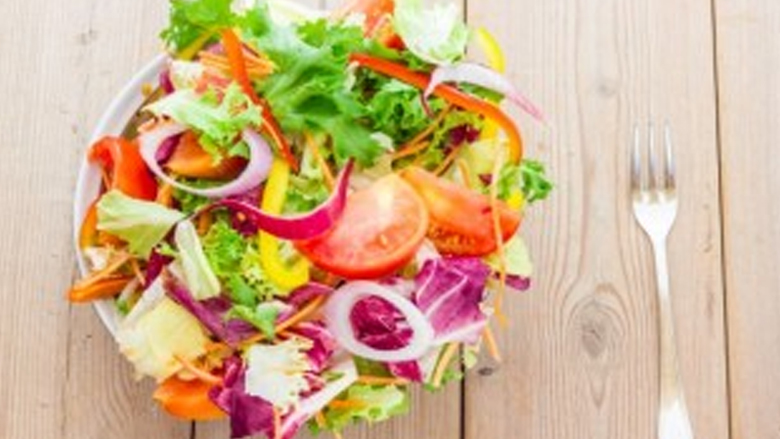
Weight loss, disease prevention, proper body functioning, satiety… there are countless benefits we obtain by including salads in our eating routine. In addition to being a good source of fiber, vitamins, and minerals, this famous dish has antioxidant action, is low in calories, helps with hydration, improves digestion, and contributes to the prevention of aging. But how to make easy-to-prepare combinations that make our recipes increasingly attractive and tasty?
Did you know that one of the prerequisites for preparing a good salad is color? The more colorful the portion, the more vitamins and nutrients it will have. That’s what Adriana Serra, a physician and nutritionist specializing in weight loss and performance, says. “To prepare a good salad, the first step is to choose the colors. Make your plate very colorful. Start by choosing the leaves (lettuce, chard, endive, arugula, watercress, kale), then the roots (carrot, beetroot, sweet potato, arracacha), and don’t forget to add fruits, such as mango, and tomato (which has a lot of umami). They are all delicious combinations.”
Add even more flavor to your meal with the inclusion of proteins. Enhance it with umami foods such as shredded chicken, tuna, salmon, sardine, or lean cuts of red meat. Vegans can opt for soy and mushrooms (oops, also umami) and vegetarians for dairy products such as buffalo mozzarella, parmesan cheese (again umami!), or eggs. Oilseed sources, such as Brazil nut, almond, and cashew nut can complement the recipe. “These foods contain tryptophan (an amino acid), which helps with satiety and well-being.”
With this information, it’s already possible to think of very tasty and nutritious recipes, isn’t it? But care must be taken with the ingredients. Often, we can’t resist the temptation of sauces and seasonings that don’t favor the diet, such as mayonnaise, oil, and tartar and rosé sauces. “Excessive consumption of these complements compromises the main benefits of salads. They end up with high caloric value, with a lot of saturated fat, and with low-quality carbohydrates, which leads to weight gain and increased cholesterol and triglyceride levels.”
Adriana recommends seasonings such as extra virgin olive oil, a source of vitamin E; garlic, a powerful anti-inflammatory; oregano and basil, for their antioxidant power. “And don’t forget: little salt, always!” she concludes.
Salad recipes
Did you know…
Corn: one of the main foods rich in umami, it is a powerful antioxidant, with high fiber content, helping in the prevention of digestive diseases.
Chicken: it is a protein with low saturated fat content. It contains niacin, vitamin B3, selenium, and vitamin B6. And, of course, it is also umami!
Mushrooms: besides the incredible umami taste, they contain beta-glucans, which stimulate the immune system.
Tomato: our favorite contains lycopene, a powerful antioxidant and phytonutrient that helps prevent cancer, especially prostate cancer, due to alpha-tomatine.