
World Hypertension Day: understand the importance of reducing sodium in the diet

São Paulo, May 2024 – Salt consumption among Brazilians is roughly double the amount recommended by the World Health Organization (WHO) and has become a public concern. This habit can lead to consequences such as hypertension, a condition that affects more than 32% of Brazil’s adult population—approximately 36 million people, according to 2022 data from the Ministry of Health.
Although hypertension often has a genetic basis, lifestyle also plays a significant role in the development of this condition. Factors such as smoking, excessive alcohol consumption, obesity, high cholesterol levels, stress, and physical inactivity can contribute to increased blood pressure.
It is worth noting, however, that the disease can be prevented and controlled in several ways. One of the most effective approaches is adopting a balanced diet, which includes reducing the use of table salt.
To help combat hypertension, Ajinomoto do Brasil, a reference in amino acids and the owner of brands such as SAZÓN®, MID®, and VONO®, has established a Nutrition Policy aimed at improving the nutritional profile of its products by reducing substances such as sodium and providing nutritional knowledge so that people can make better choices. In addition, the company is reviewing and adjusting the more than 5,000 recipes available in its database, resulting so far in the removal of 24 kg of salt and the avoidance of recommending the consumption of more than 500 tons, considering the number of recipe views.
“Cutting in half the amount of salt used in preparing a recipe and/or food and replacing the other half with MSG helps reduce sodium content by up to 37%. This is because, in addition to enhancing umami—the fifth taste of the human palate—1 g of monosodium glutamate contains only 123 mg of sodium, whereas the same amount of salt contains 388 mg,” says Mariana Rosa, nutritionist and Scientific Communication Manager at Ajinomoto do Brasil.
Using monosodium glutamate can also help maintain a balanced sodium intake within a healthy diet, bringing benefits. And according to entities such as JECFA (the Joint FAO/WHO Expert Committee on Food Additives), the FDA (the U.S. Food and Drug Administration), and ANVISA (the Brazilian Health Regulatory Agency), there is no established restriction on the use of MSG in foods.
UMAMI
It is the fifth basic taste of the human palate, discovered in 1908 by Japanese scientist Kikunae Ikeda. It was scientifically recognized in 2000, when researchers at the University of Miami confirmed the existence of specific receptors for this taste on the taste buds. The amino acid glutamic acid and the nucleotides inosinate and guanylate are the main umami substances. Umami’s two main characteristics are increased salivation and a lingering taste for a few minutes after ingesting the food. To learn more, visit www.portalumami.com.br.
World Hypertension Day: understand the importance of reducing sodium in the diet
-
Telephone
+55 (11) 3165-9595 / 91665-8665
-
Email
umami@fsb.com.br
Related news
- Notícia
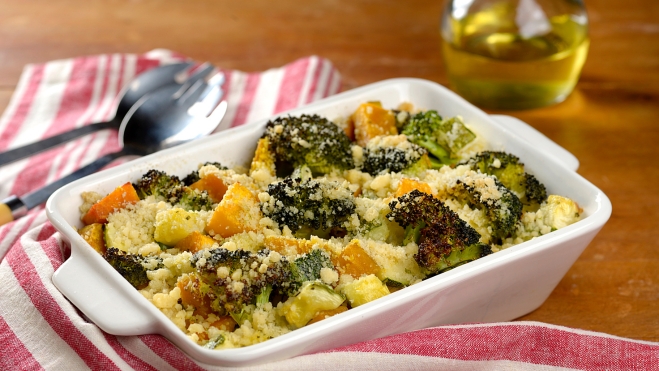
Less Salt, More Umami: Try Flavorful Recipes with Reduced Sodium
- Notícia
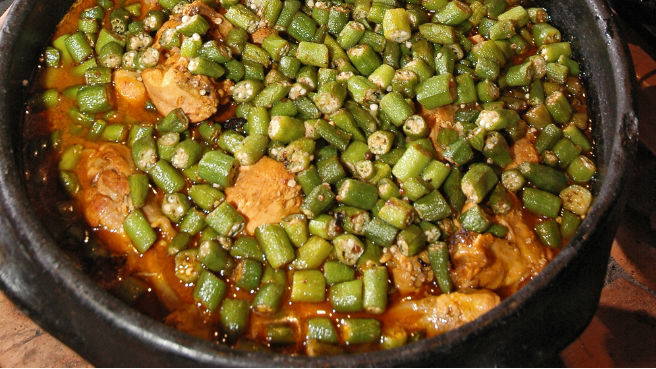
Minas Gerais Cuisine: Chef Explains What Makes the Region’s Dishes So Flavorful

- Notícia
Golden August: the first strategic asset of our lives is breastfeeding.
- Notícia