
Welcome 2018: Salmon en Papillote with Asparagus and Coriander Seeds | Press
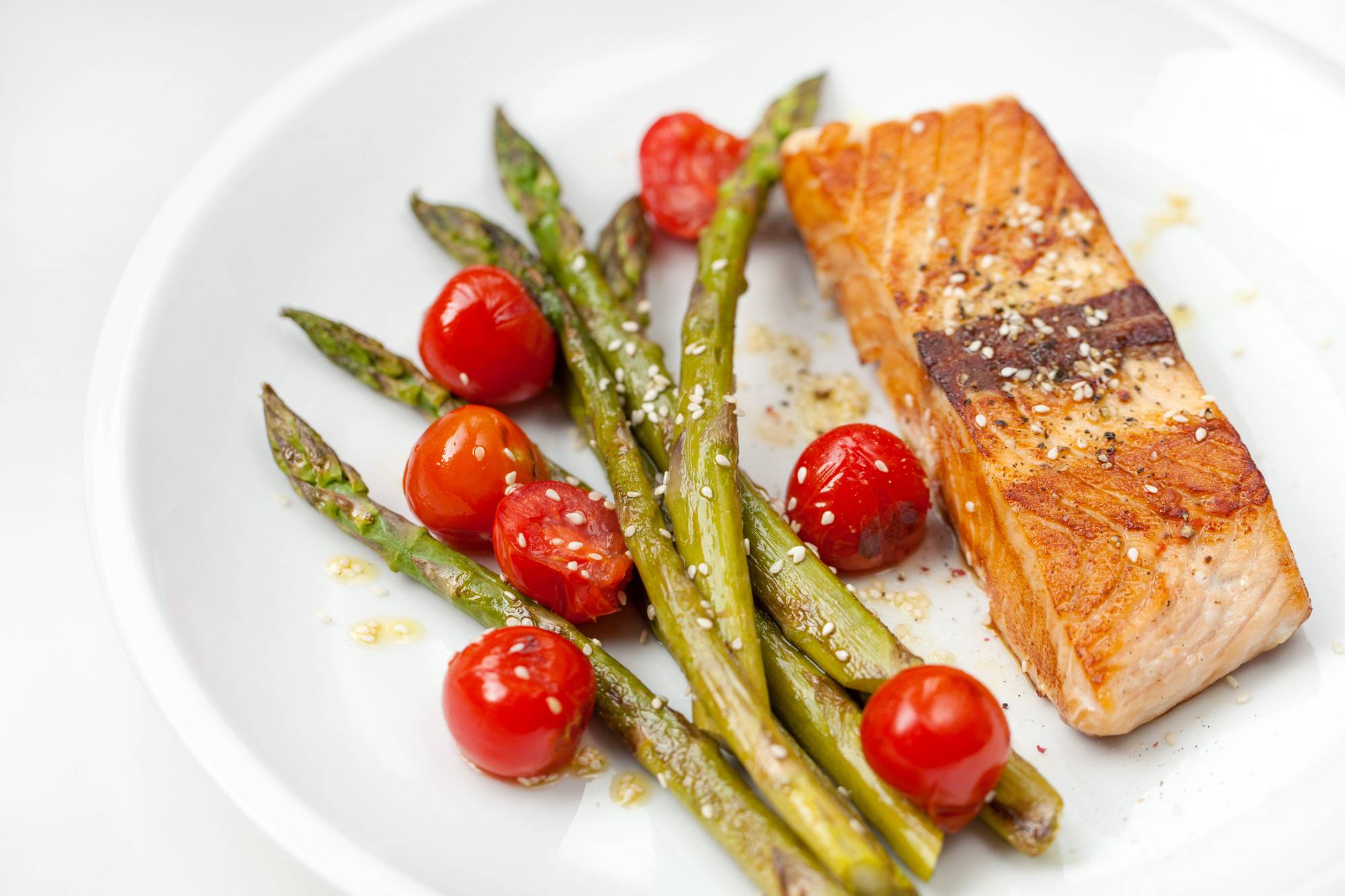
São Paulo, December 2017 – The year 2017 is in its final stretch, and this is the perfect time to be proud of your achievements, leave missteps behind, and welcome the year to come. Since 2018 deserves to start with a celebration, nothing beats preparing a special New Year’s dinner.
The Umami Committee’s tip is Salmon en Papillote with Asparagus and Coriander Seeds. Besides being very refined, the dish brings umami—one of the five basic tastes of the human palate—in a pronounced way thanks to the fish, tomatoes, and asparagus. In addition to making the dish even tastier, umami provides health benefits, such as aiding protein digestion, helping reduce sodium, and supporting oral hygiene.
Check out the recipe:
Salmon en Papillote with Asparagus and Coriander Seeds
Ingredients
- 1/2 red onion
- 2 sheets of parchment paper
- 20 g asparagus
- 20 g cherry tomatoes
- 200 g salmon or Saint Peter (tilapia)
- 2 g fresh thyme, parsley, and rosemary
- 5 g coriander seeds
- 10 ml sesame oil
- A pinch of salt
Directions
- Cut the onion in half and then into thin slices. Next, prepare a “bed” for the salmon. Line a baking sheet with the parchment paper and arrange the onion, asparagus, and sliced cherry tomatoes as the base.
- Place the salmon on this base with the skin facing up. Season the fish with the herbs and coriander seeds. Drizzle a little sesame oil over the fish and finish with a pinch of salt.
- Wrap the papillote and twist the ends to keep the steam from escaping. Place on a baking tray and bake in a preheated oven (205º) for 30 minutes.
- Remove the fish from the oven and carefully open the packet. Finish by drizzling the remaining sesame oil and serve.
UMAMI
It is the fifth basic taste of the human palate, discovered in 1908 by Japanese scientist Kikunae Ikeda. It was scientifically recognized in 2000, when researchers at the University of Miami confirmed the existence of specific receptors for this taste on the taste buds. The amino acid glutamic acid and the nucleotides inosinate and guanylate are the main umami substances. The two main characteristics of umami are increased salivation and a lingering taste for a few minutes after eating. To learn more, visit portalumami.com.br and follow on social media at facebook.com/GostoUmami and instagram.com/ogostoumami.
Welcome 2018: Salmon en Papillote with Asparagus and Coriander Seeds | Press
-
Telephone
+55 (11) 3165-9595 / 91665-8665
-
Email
umami@fsb.com.br
Related news
- Notícia
Minas Gerais Cuisine: Chef Explains What Makes the Region’s Dishes So Flavorful

- Notícia
Golden August: the first strategic asset of our lives is breastfeeding.
- Notícia
Easter Sunday: check out five recipes that will awaken the umami taste on this special date

- Notícia