
Virado à Paulista is an option to celebrate the city’s 464th anniversary | Press
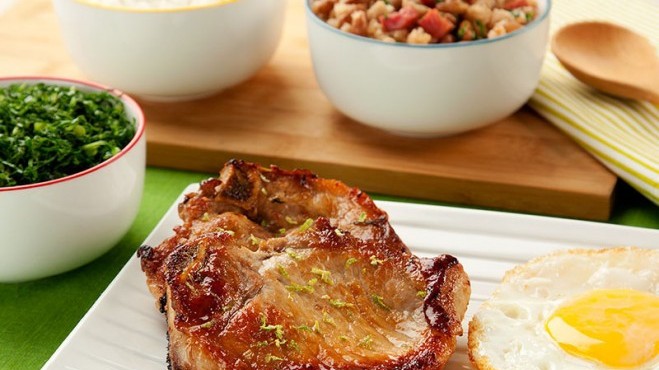
São Paulo, January 2018 – On the 25th, the city of São Paulo celebrates its 464th anniversary. In the “land of drizzle,” you can find every kind of food, from bar fare to gourmet bites. The capital offers so many gastronomic options that São Paulo’s traditional cuisine is sometimes forgotten. To celebrate this special date, the Umami Committee’s tip is Virado à Paulista.
Inspired by rural cuisine, this dish is traditionally found on restaurant menus on Mondays and brings umami—one of the five basic tastes of the human palate. In addition to making the preparation even more flavorful, umami provides health benefits such as aiding protein digestion, helping reduce sodium, and supporting oral hygiene.
Check out the preparation method on the Umami Portal.
Virado à Paulista
Ingredients
Bean virado
- ½ cup chopped bacon
- 1 clove garlic, chopped
- ½ onion, chopped
- 1 cup cassava flour (farinha de mandioca)
- 4 cups cooked beans (2 cups beans and 2 cups cooking liquid)
- ½ teaspoon salt
- 1 tablespoon chopped parsley
Pork chop
- 2 tablespoons olive oil
- 1 tablespoon lemon juice
- 1 teaspoon salt
- 1 teaspoon grated lemon zest
- 500 g pork loin chops
Directions
Make the virado
- Fry the bacon in its own fat, add the garlic and onion, and sauté until golden.
- Add the cassava flour and stir until lightly toasted.
- Add the beans and cooking liquid, the salt, and fold gently.
- Stir in the parsley, remove from the heat, and set aside.
Make the pork chop
- In a small bowl, mix 1 tablespoon of the olive oil, the lemon juice, salt, and half the lemon zest; drizzle over the chops and marinate for 30 minutes in the refrigerator.
- In a large skillet, add the remaining olive oil and heat over high.
- Add the chops in batches and fry for 2 minutes per side, or until golden.
- Remove from the heat, sprinkle with the remaining lemon zest, and serve immediately with the virado and sautéed collard greens.
UMAMI
It is the fifth basic taste of the human palate, discovered in 1908 by Japanese scientist Kikunae Ikeda. It was scientifically recognized in 2000, when researchers at the University of Miami confirmed the existence of specific receptors for this taste on the taste buds. The amino acid glutamic acid and the nucleotides inosinate and guanylate are the main umami substances. The two main characteristics of umami are increased salivation and a lingering taste for a few minutes after eating. To learn more, visit www.portalumami.com.br.
Virado à Paulista is an option to celebrate the city’s 464th anniversary | Press
-
Telephone
+55 (11) 3165-9595 / 91665-8665
-
Email
umami@fsb.com.br
Related news
- Notícia
Minas Gerais Cuisine: Chef Explains What Makes the Region’s Dishes So Flavorful

- Notícia
Golden August: the first strategic asset of our lives is breastfeeding.

- Notícia
Easter Sunday: check out five recipes that will awaken the umami taste on this special date

- Notícia