
Varying the Types of Foods Can Help Manage Anxiety
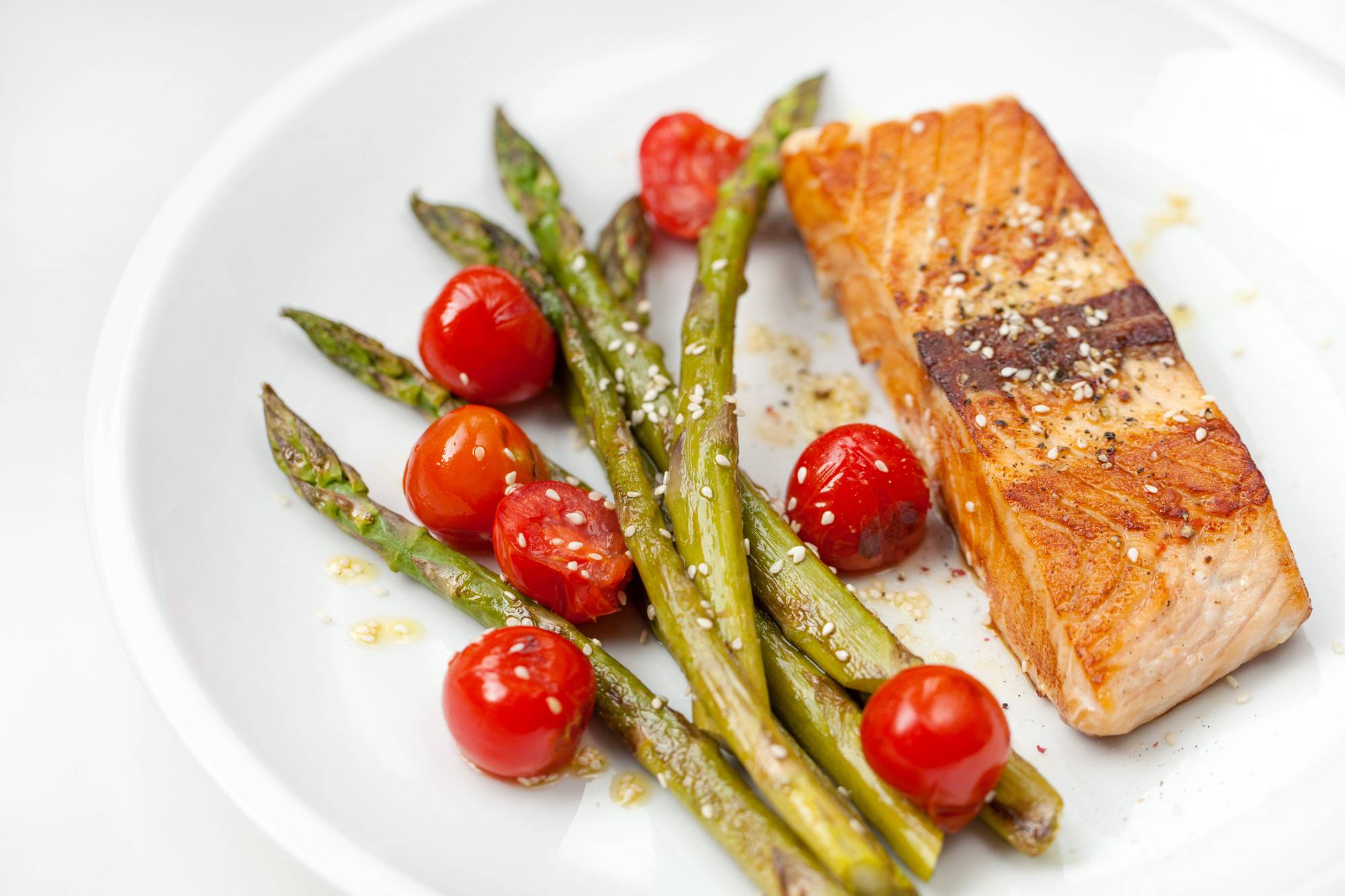
When it comes to fighting tension levels, what you eat can truly help stabilize your emotional response.
São Paulo, June 2020 – Anxiety symptoms can trigger a series of harms to the body. With today’s climate of uncertainty, piled-up household tasks, and work deadlines, stress levels can rise. But when it comes to combating tension, what you eat can truly help stabilize your emotional response.
Hellen Maluly, PhD in Food Science and consultant to the Umami Committee—the organization responsible for promoting the fifth basic taste in Brazil—suggests that there are natural ways to ease day-to-day anxiety and that maintaining a balanced diet can support the body’s functioning by minimizing the chemical components that generate anxiety in the human body. “Anxiety is a natural response to stress or imminent danger. This process involves different hormones and neurotransmitters, which is why certain nutrients in foods can help regulate their levels and directly influence sensations of relaxation,” she explains.
Check out some foods that can make the pursuit of a healthier life easier:
Eating leafy greens, fruits, and vegetables
Hellen notes that when we’re stressed, high-calorie foods are tempting. “However, choosing leafy greens mixed with other fruits and vegetables—such as tomato, carrot, or even mango—seasoned with herbs like basil, for example, before the main meal, can make your sensory experience colorful and varied, and this can signal a sense of relaxation to the brain,” she explains. Different types of tomatoes also have another special function: they provide the umami taste which, when mixed with leafy greens, improves palatability by reducing the bitterness or acidity that these foods often have.
Fish
The doctor explains that stress can increase levels of anxiety hormones such as adrenaline and cortisol, and foods rich in omega-3—like sardines and salmon—are great allies. “Omega-3 has properties that ensure proper brain function, supporting cognitive function. The fatty acids in these foods, such as EPA and DHA, help modulate communication among brain neurons. In this way, mental health is directly influenced, reducing stress levels and combating anxiety,” she adds.
Seaweed
Amid the rush of daily life, it helps to know foods that can aid in controlling anxiety. “So sushi lovers can celebrate. Seaweeds are rich in iodine, and a lack of this element can cause hypothyroidism, which is closely linked to symptoms of anxiety and depression,” says Hellen. “An important note concerns excess iodine, since the table salt we consume is iodized. Consuming adequate amounts is ideal to avoid various problems,” she adds.
Teas
Hot or cold, teas can be great natural alternatives to relieve stress. “If you really want to relax, swap the glass of wine for a cup of chamomile tea before bed. It’s a great calming agent that relaxes the body and helps regulate sleep, reducing anxiety,” the doctor explains.
70% chocolate
According to Hellen Maluly, chocolate is a great way to reduce anxiety levels—especially dark chocolate. “Choose varieties that contain at least 70% cocoa. This food is rich in flavonoids, antioxidants, and tryptophan, an amino acid involved in serotonin production,” she suggests. Small amounts give the body a great sense of pleasure—ideal for easing nervousness. “Dark chocolate contains unique natural substances that create a feeling of euphoria similar to being in love,” she adds.
Brazil nuts
Brazil nuts are rich in selenium. This mineral acts as an antioxidant, especially for neuronal cells. In addition, nuts in general also contain vitamin E, which helps prevent cell oxidation and consequent damage.
Eggs
The doctor highlights that eggs are natural sources of vitamin D, a nutrient linked to several important health benefits, including better immune function, anti-inflammatory effects, and mood regulation.
UMAMI
It is the fifth basic taste of the human palate, discovered in 1908 by Japanese scientist Kikunae Ikeda. It was scientifically recognized in 2000, when researchers at the University of Miami confirmed the existence of specific receptors for this taste in the taste buds. The amino acid glutamic acid and the nucleotides inosinate and guanylate are the main umami substances. The two main characteristics of umami are increased salivation and the persistence of taste for a few minutes after ingestion. To learn more, visit www.portalumami.com.br.
Varying the Types of Foods Can Help Manage Anxiety
-
Telephone
+55 (11) 3165-9595 / 91665-8665
-
Email
umami@fsb.com.br
Related news
- Notícia
Less Salt, More Umami: Try Flavorful Recipes with Reduced Sodium
- Notícia
Minas Gerais Cuisine: Chef Explains What Makes the Region’s Dishes So Flavorful

- Notícia
Golden August: the first strategic asset of our lives is breastfeeding.
- Notícia