
Unveiling Umami: The Taste That Transforms the Food Experience
São Paulo, July 2025 – Did you know that there’s a taste that can improve flavor perception, aid in balanced eating, and even help reduce sodium consumption? We’re talking about umami — recognized as the fifth taste of the human palate, alongside sweet, salty, sour, and bitter.
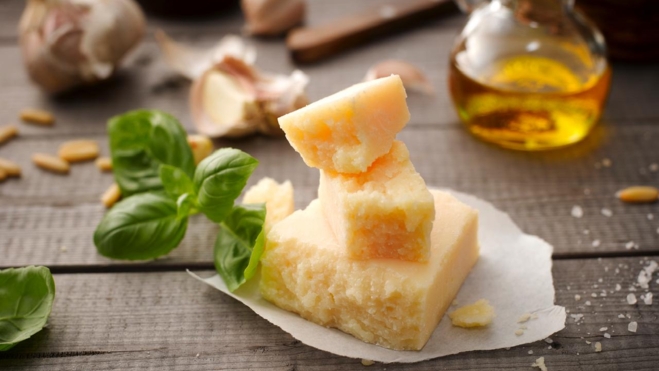
Identified over a century ago, umami has gained prominence in nutrition and culinary arts for its unique functions, being naturally present in foods rich in glutamate, the amino acid responsible for this taste, such as tomatoes, Parmesan cheese, mushrooms, seaweed, meats, and even breast milk, essential for infant development.
“Despite being present in various foods, umami is still little known. Our role is to expand knowledge about this taste and show, based on scientific evidence, that its crystallized form, monosodium glutamate (MSG), is safe and can be an important ally in promoting more balanced eating habits,” says Mariana Rosa, nutritionist and Scientific Communication Manager at Ajinomoto do Brasil. Scientifically proven in the early 2000s, the fifth taste has been receiving increasing attention from chefs, nutritionists, and the food industry, who seek to better explore its potential.
Taking advantage of Umami Day, celebrated on July 25th, we’ve gathered some relevant information about this important taste, which is still surrounded by myths and misinformation—especially when it comes to its isolated and safe version, monosodium glutamate (MSG).
Check out eight myths and truths about umami and MSG below:
1. MSG is bad for your health.
❌ Myth!
Monosodium glutamate (MSG) is safe and widely studied. Regulatory bodies such as the FDA (USA), EFSA (Europe), JECFA (UN/WHO), and ANVISA (Brazil) recognize its use as safe for consumption.
2. Can MSG help reduce salt consumption?
✅ True!
MSG has about 2/3 less sodium than table salt. If used to replace 50% of the salt added to culinary preparations, it can reduce the total sodium content of preparations by up to 37%, without compromising flavor.
3. MSG is different from the natural glutamate in foods.
❌ Myth!
The human body metabolizes glutamate naturally present in foods like tomatoes or cheese in the same way as added glutamate in the form of monosodium glutamate (MSG).
4. MSG caused the so-called “Chinese Restaurant Syndrome”.
❌ Myth!
This term arose after a letter without scientific basis published in 1968. Several scientific studies have found no relationship between MSG and the described symptoms, such as headaches or palpitations.
5. MSG has more than 100 years of history?
✅ True!
It was first marketed in 1909 under the brand name AJI-NO-MOTO®, patented by the Ajinomoto Group, a world leader in amino acids.
6. MSG is artificial and its production generates negative impacts on the environment.
❌ Myth!
MSG is produced through the natural fermentation of ingredients such as sugarcane, cassava, or beetroot—a process similar to that of yogurt and miso. Furthermore, at Ajinomoto do Brasil, production is part of a sustainable circular process called Biociclo, in which co-products are reused, reinforcing the company’s commitment to the environment and people’s health.
7. Umami is present in breast milk.
✅ True!
Breast milk is naturally rich in glutamate, essential for the intestinal and immune development of babies. This shows how our bodies recognize and benefit from umami from an early age.
8. Umami can be an ally for people with special needs.
✅ True!
Elderly people and cancer patients, for example, can benefit from umami, as it stimulates salivation, facilitates food intake, and makes eating more enjoyable.
Sustainable Development Goals
Ajinomoto do Brasil develops projects and actions aligned with the 17 Sustainable Development Goals (SDGs), defined by the United Nations (UN), which aim to achieve a more equitable and sustainable world by 2030. Click here to learn more about these projects.
The dissemination of this material directly contributes to the following SDGs:

UMAMI
It is the fifth basic taste of the human palate, discovered in 1908 by the Japanese scientist Kikunae Ikeda. It was scientifically recognized in 2000, when researchers at the University of Miami found the existence of specific receptors for this taste in the taste buds. The amino acid glutamic acid and the nucleotides inosinate and guanylate are the main umami substances. The two main characteristics of umami are increased salivation and the persistence of the taste for several minutes after ingestion of the food. To learn more, visit hmg-new.portalumami.com.br/wp/
About Ajinomoto do Brasil
Present in the country since 1956, Ajinomoto do Brasil is a benchmark in amino acids and widely known for its retail products, such as SAZÓN® Seasoning, MID® Soft Drinks, VONO® Soups and AJI-NO-MOTO® itself, in addition to operating in the food service segment (food away from home). The company offers high-quality products both for consumers and as inputs for the food, cosmetics, sports, pharmaceutical, animal nutrition and agribusiness industries. Its purpose is to contribute to the well-being of society, people and the planet using its expertise in “AminoScience,” the science of amino acids, from production to application, through a sustainable food system. To this end, it works with products developed from the Biocycle – a circular process of sustainable production – with less impact on the environment. With four factories in the interior of São Paulo and headquarters in the capital, it employs approximately 3,000 people and serves domestic and international markets. Globally, the Ajinomoto Group employs more than 34,000 people, has 117 factories, and its products are sold in over 130 countries. In 2024, it had global revenue of US$10.2 billion and national revenue of R$3.6 billion. For more information, visit www.ajinomoto.com.br.
PRESS INFORMATION | AJINOMOTO DO BRASIL
FSB Comunicação
ajinomoto@fsb.com.br
Unveiling Umami: The Taste That Transforms the Food Experience
-
Telephone
+55 (11) 3165-9595 / 91665-8665
-
Email
umami@fsb.com.br
Related news
- Notícia
Less Salt, More Umami: Try Flavorful Recipes with Reduced Sodium
- Notícia
Minas Gerais Cuisine: Chef Explains What Makes the Region’s Dishes So Flavorful

- Notícia
Golden August: the first strategic asset of our lives is breastfeeding.
- Notícia