
Understand the difference between glutamic acid (glutamate) and monosodium glutamate
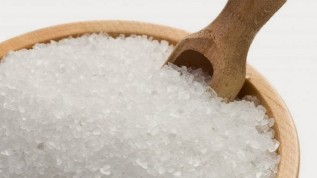
Although they have some distinct characteristics, both elements play very similar roles in the human body.
Many people wonder whether the amino acid glutamic acid (also called glutamate) and monosodium glutamate (known as MSG) are the same substance. Although they have some distinct characteristics, both elements play very similar roles in the human body.
Glutamate is an amino acid found in many everyday foods—such as meats, cheeses, tomatoes, and mushrooms—and it is also naturally present in the human body. Besides acting as an important neurotransmitter, essential for learning and memory, glutamate in foods provides the umami taste, one of the five basic tastes of the human palate (sweet, salty, sour, and bitter complete the list).
Monosodium glutamate is the sodium salt of glutamic acid and, in Brazil, is produced by fermenting sugarcane (a process similar to making yogurt, beer, wine, and bread). In this process, specific bacteria consume sugar (from sources like sugarcane or beet molasses) and convert it into glutamic acid. This amino acid is then turned into monosodium glutamate ready for consumption. Despite appearing different, both glutamic acid and MSG are sources of free glutamate and are metabolized in the same way by the human body.
Hellen Maluly, PhD in Food Science, explains that MSG’s main function is to intensify the fifth basic taste in foods. “Meats, for example, already contain glutamate and consequently umami. If we add a little monosodium glutamate along with other seasonings, the umami taste becomes even more intense. Moreover, we can reduce the sodium content of the preparation, since MSG contains only one-third the sodium compared to table salt,” the professor explains.
Recently, the U.S. Food and Drug Administration (FDA) published on its website a “Questions and Answers” section about monosodium glutamate, which can help those who have questions about the substance (read the full material there).

UMAMI TASTE
Umami is the fifth basic taste of the human palate and was discovered in 1908 by the Japanese chemist Kikunae Ikeda. However, it was only recognized by the scientific community in 2000, when researchers at the University of Miami found specific receptors in the taste buds. The amino acid glutamate, and the nucleotides inosinate and guanylate are the main substances that provide umami. Parmesan cheese, tomatoes, mushrooms, and meats in general are foods that have these substances in large proportions, and therefore possess the fifth taste more pronouncedly. The two main characteristics of umami are increased salivation and the persistence of the taste for several minutes after ingestion of the food.
Understand the difference between glutamic acid (glutamate) and monosodium glutamate
-
Telephone
+55 (11) 3165-9595 / 91665-8665
-
Email
umami@fsb.com.br
Related news

- Notícia
Less Salt, More Umami: Try Flavorful Recipes with Reduced Sodium
- Notícia
Minas Gerais Cuisine: Chef Explains What Makes the Region’s Dishes So Flavorful

- Notícia
Golden August: the first strategic asset of our lives is breastfeeding.
- Notícia