
Understand how the brain reacts to glutamate in its different forms | Press
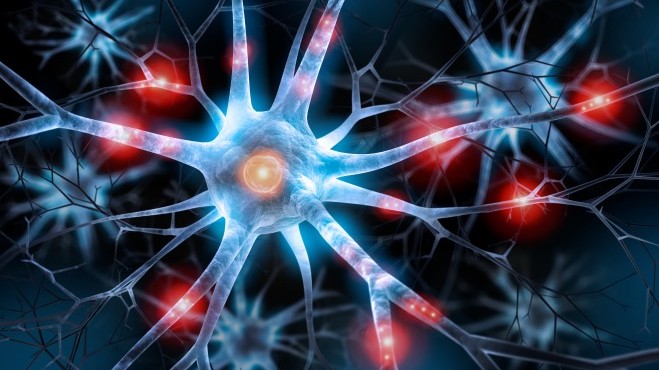
In its industrialized or free form, glutamate is easily absorbed by intestinal cells, preventing it from accumulating in the body.
Glutamic acid is an amino acid that has been studied for more than 25 years and is recognized as one of the main neurotransmitters in the nervous system. In addition to being found in our brain, this substance is also produced by the food industry and may appear under a slightly different name: monosodium glutamate. However, even though the names are not identical, both play important roles in the human body.
Nutritionist Dr. Sonia Albarracín explains how the brain uses the glutamate it produces: “It is estimated that 70% of communications in the human brain depend on the production of glutamate. Therefore, under normal conditions, the brain produces, processes, and keeps the concentrations of this important amino acid under control, ensuring that the balance between production and use favors cellular-level functions. In other words, this substance is essential for the proper functioning of the nervous system.”
However, many myths surround glutamate — for example, its supposed link to addictions and diseases such as Alzheimer’s and Parkinson’s. According to the nutritionist, these myths revolve around the flavor enhancer monosodium glutamate. “When we consume the food additive, part of it is rapidly absorbed by the intestinal cells, and the remainder is metabolized by the liver. Therefore, monosodium glutamate does not accumulate in the body, nor in the blood,” which demonstrates that it has no connection with brain diseases, since the body prevents it from reaching the brain.
Regarding its relationship with addiction, the specialist explains: “If we consider that glutamate is present in practically all the foods we eat, it would be expected that it has no addictive effects,” she said. “Monosodium glutamate does not accumulate in the brain, since its concentration in the blood is very low, and furthermore, the blood-brain barrier (a membrane system that protects the brain) prevents the additive and the glutamate consumed in food from entering the brain,” clarifies Sonia Albarracín.
Umami taste and the brain
According to Sonia, receptors for the Umami taste were recently identified and found to be different from those responsible for detecting the other basic tastes. “Once the molecules responsible for flavor are detected by specific receptors on the taste buds, these signals are subsequently processed in the brain — first in the primary gustatory cortex and then in other areas such as the hypothalamus. Several studies have shown that there are neural network systems that are activated only in response to glutamate, which is responsible for the Umami taste. This makes it distinct from other tastes, indicating that there are dedicated networks specifically for sensing this particular taste,” explains the nutritionist.
Understand how the brain reacts to glutamate in its different forms | Press
-
Telephone
+55 (11) 3165-9595 / 91665-8665
-
Email
umami@fsb.com.br
Related news
- Notícia
Minas Gerais Cuisine: Chef Explains What Makes the Region’s Dishes So Flavorful

- Notícia
Golden August: the first strategic asset of our lives is breastfeeding.

- Notícia
Easter Sunday: check out five recipes that will awaken the umami taste on this special date

- Notícia