
Understand how prejudice against Asians created negative myths about monosodium glutamate
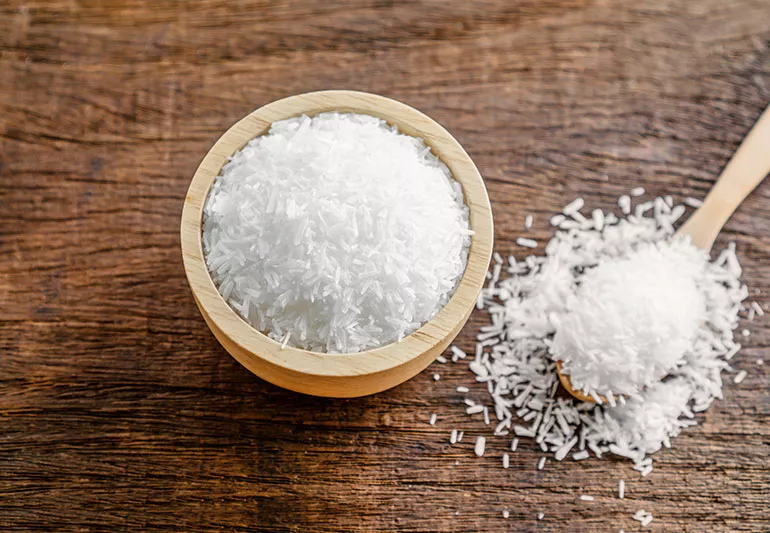
São Paulo, November 2024 – In 1908, Japanese professor Kikunae Ikeda discovered umami. Known as the fifth taste of the human palate, it is provided by foods rich in glutamate and characterized by a prolonged taste on the tongue and increased salivation in the mouth. Ikeda extracted free glutamate crystals from kombu seaweed, which were synthesized into monosodium glutamate (MSG) and, the following year, began to be marketed by Ajinomoto. However, the rise of MSG occurred during a period of increasing xenophobia against Asians in the United States, exacerbated by the Chinese Exclusion Act (1882).
Since its discovery more than 115 years ago, MSG has been safely used as a food ingredient worldwide. Misconceptions about it arose in 1968 when a researcher published an editorial in the medical journal, the New England Journal of Medicine, describing symptoms such as generalized weakness, palpitations, and numbness in the arms after eating at a Chinese restaurant. The author listed several foods and ingredients as possible causes of his symptoms, including MSG. However, the letter generated the idea that monosodium glutamate could be associated with these symptoms, which was called “Chinese Restaurant Syndrome.”
Consequently, many restaurants and food products began displaying “no added MSG” labels to attract customers. For almost 30 years, the myth of monosodium glutamate was perpetuated by false claims, especially in Asian restaurants.
However, health experts have endorsed the safety of MSG based on extensive scientific research and a long history of use around the world.
Mariana Rosa, nutritionist and Scientific Communication Manager at Ajinomoto do Brasil, explains that MSG is digested and metabolized in the same way as glutamate from food. “The body cannot recognize the difference, because glutamate is an amino acid naturally present in foods such as meats, cheeses, and mushrooms, and MSG is only a source of this amino acid; that is, it is perceived by the taste buds and metabolized normally by our body. Furthermore, glutamate is a non-essential amino acid, which means that our own body produces it and is very familiar with the substance,” she emphasizes.
International regulatory bodies such as the Joint Committee on Food Safety and Quality (JECFA) and the Food and Drug Administration (FDA), and national bodies such as the National Health Surveillance Agency (ANVISA), attest to its safety for human consumption. Studies such as that of Geha et al. in 2000 showed that MSG does not cause the symptoms previously attributed to it.
Mariana emphasizes that consuming MSG, besides not being harmful to health, offers a series of benefits. “Although many think otherwise, monosodium glutamate is an ally in reducing sodium, as it has two-thirds less sodium than table salt, potentially reducing the sodium content in preparations by up to 37%. Furthermore, it strengthens the body’s immunity and nutrition, as it aids in protein digestion, protects the oral mucosa, and improves food acceptance in chemotherapy patients due to increased salivation.”
Ajinomoto Group Movement
For decades, the symbol “No MSG”—and the deeply rooted xenophobia that inspired it—kept people from enjoying the culinary magic of monosodium glutamate. Therefore, the Ajinomoto Group promoted the “Know MSG” movement, a play on words in response to “No MSG”. The goal was to demystify monosodium glutamate (MSG) and spread awareness of its benefits. With this purpose in mind, the company created an Instagram profile to engage the general public.
The company also launched the campaign “No, we shouldn’t #CancelPizza,” to remind people that MSG is not only naturally found in some of our favorite pizzas, but also provides a delicious taste. So, if people like pizza, they should also like MSG, right?
Through this narrative and partnerships with influencers, content creators, and supporters of the movement, the hashtag #CancelPizza gained traction on social media and helped to deconstruct the paradigm surrounding monosodium glutamate.
About Ajinomoto do Brasil
Present in Brazil since 1956, Ajinomoto do Brasil is a leader in amino acids and widely known for its retail products, such as SAZÓN® Seasoning, MID® Soft Drinks, VONO® Soups, and AJI-NO-MOTO® itself, in addition to operating in the food service segment (eating out). The company offers high-quality products for both consumers and inputs for the food, cosmetics, sports, pharmaceutical, animal nutrition, and agribusiness industries. Its purpose is to contribute to the well-being of society, people, and the planet by utilizing its expertise in “AminoScience,” the science of amino acids, from production to application, through a sustainable food system. To this end, it works with products developed using Biociclo—a circular, sustainable production process—with a lower environmental impact. With four factories in the interior of São Paulo and headquarters in the capital, it employs approximately 3,000 people and serves domestic and international markets. Globally, the Ajinomoto Group employs over 34,000 people, has 116 factories, and sells products in over 130 countries. In 2023, it had global revenue of US$9.9 billion and domestic revenue of R$3.3 billion. For more information, visit www.ajinomoto.com.br.
PRESS INFORMATION | AJINOMOTO DO BRASIL
FSB Comunicação
ajinomoto@fsb.com.br
Understand how prejudice against Asians created negative myths about monosodium glutamate
-
Telephone
+55 (11) 3165-9595 / 91665-8665
-
Email
umami@fsb.com.br
Related news
- Notícia
Less Salt, More Umami: Try Flavorful Recipes with Reduced Sodium
- Notícia
Minas Gerais Cuisine: Chef Explains What Makes the Region’s Dishes So Flavorful
- Notícia
Golden August: the first strategic asset of our lives is breastfeeding.
- Notícia