
Umami recipes to celebrate the arrival of 2017 | Press
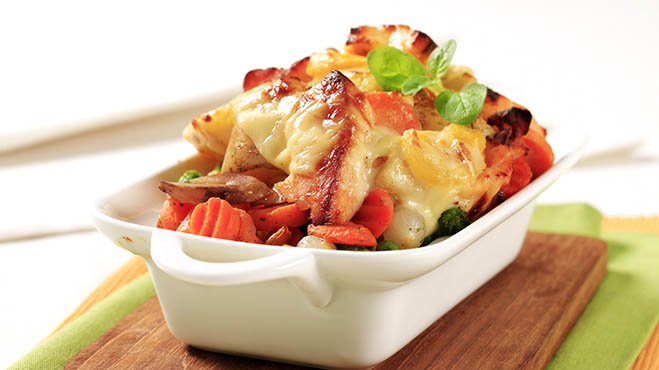
New Year’s Eve dinner is a great opportunity to introduce the umami taste to friends and family.
São Paulo, December 2016 – In this week leading up to the new year, it’s time to start thinking about the dinner menu. Since the celebrations for 2017 come with wishes for happiness, health, and success, the dishes should also reflect this spirit of renewal and hope for the year ahead. This is a great opportunity to introduce family, friends, and guests to the umami taste and its benefits.
Umami—alongside sweet, salty, sour, and bitter—is one of the five basic tastes of the human palate and is present in many everyday foods such as fish, cheeses, tomatoes, and mushrooms. The main characteristics of this taste are increased salivation and a lingering flavor, providing many health benefits, such as improved food acceptance, support for protein digestion, and oral hygiene.
The Umami Committee has selected three recipe suggestions so this taste can shine during your New Year’s Eve dinner. Check them out:
Parmesan Baskets
Ingredients
- 3 cups coarsely grated Parmesan cheese (250 g)
- 1/2 cup mayonnaise
- 1/2 cup milk
- 1/2 clove garlic, pressed
- 1 cup shredded mozzarella
- 6 leaves iceberg lettuce, torn
- 6 cherry tomatoes, quartered
- 1 small carrot, grated
Directions
- In a small skillet, spread 1/2 cup of Parmesan and cook over medium heat for 2 minutes, or until it starts to brown. Carefully remove with a spatula and drape over the bottom of a small bowl or glass.
- Let cool until firm to form a “basket.” Repeat with the remaining Parmesan to make 5 more baskets.
- Make the dressing: in a food processor or blender, combine the mayonnaise, milk, garlic, and mozzarella. Blend for 1 minute, or until smooth.
- Divide the lettuce, cherry tomatoes, and carrot among the Parmesan baskets, drizzle with the dressing, and serve.
Prep time: 40 minutes
Yield: 6 servings
Chef’s tip: Parmesan and tomato are foods with a high proportion of glutamate and therefore deliver a more pronounced umami taste.
Bacalhoada (Portuguese-Style Cod Bake)
Ingredients
- 500 g potatoes, cooked “al dente” and sliced
- 1 kg cod loins, soaked, parboiled, and coarsely flaked
- 1/2 medium green bell pepper, seeded and sliced (100 g)
- 2 medium tomatoes, sliced (300 g)
- 3 hard-boiled eggs, sliced
- 1 small onion, sliced (100 g)
- 1/2 cup pitted black olives (60 g)
- 1/2 cup olive oil
- 2 tsp salt
Directions
- In a greased large rectangular baking dish, layer the potatoes, cod, bell pepper, tomato, eggs, onions, and olives.
- Drizzle with the olive oil previously mixed with the salt.
- Cover with foil and bake in a hot oven (200°C / 392°F) for 20 minutes.
- Remove the foil and bake for 10 minutes more, or until the tomatoes soften.
- Remove from the oven and serve immediately.
Prep time: 45 minutes
Yield: 6 servings
Chef’s tip: For a quicker, more economical version, replace cod with hake, which requires no pre-soaking. Just clean the fish and assemble the dish, adjusting the salt as needed.
Romeo and Juliet Brigadeiro*
Ingredients
- 1 can sweetened condensed milk (395 g)
- 150 g cream cheese
- 30 g unsalted butter
- 2 tbsp milk
- 150 g guava paste, cut into small cubes
- Granulated sugar for rolling
Directions
- In a saucepan, combine the condensed milk, cream cheese, butter, and milk. Cook over high heat, stirring occasionally, for about 8 minutes, or until the mixture pulls away from the bottom of the pan.
- Transfer to a bowl, cover with plastic wrap, and refrigerate for at least 6 hours.
- Scoop small portions, place a guava cube in the center, roll into balls, coat in granulated sugar, and serve.
Prep time: 35 minutes (+ 6 hours chilling)
Yield: 20 pieces
*Recipe by confectioner Jamille Andrez
UMAMI
It is the fifth basic taste of the human palate, discovered in 1908 by Japanese scientist Kikunae Ikeda. It was scientifically recognized in 2000, when researchers at the University of Miami confirmed specific receptors for this taste on the taste buds. The amino acid glutamic acid and the nucleotides inosinate and guanylate are the main umami substances. The two main characteristics of umami are increased salivation and a lingering taste for a few minutes after eating. To learn more, visit portalumami.com.br.
Umami recipes to celebrate the arrival of 2017 | Press
-
Telephone
+55 (11) 3165-9595 / 91665-8665
-
Email
umami@fsb.com.br
Related news
- Notícia
Minas Gerais Cuisine: Chef Explains What Makes the Region’s Dishes So Flavorful

- Notícia
Golden August: the first strategic asset of our lives is breastfeeding.
- Notícia
Easter Sunday: check out five recipes that will awaken the umami taste on this special date

- Notícia