
Umami foods can help in the formation, maintenance, and development of biological functions | Press
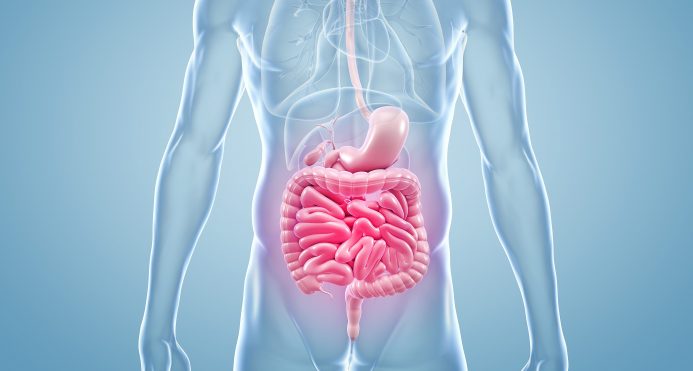
São Paulo, May 2016 – Every food has the purpose of providing elements for the formation, maintenance, and development of the human body. Although the many existing cultures ensure dietary variety around the world, some foods are common to several cuisines and offer numerous benefits. “Parmesan cheese, consumed both in Italy and Brazil, for example, is an umami food rich in protein, calcium, and phosphorus. It also has a high concentration of fat and sodium, and therefore should be consumed in moderation,” says Hellen Maluly, PhD in Food Science.
To help in planning a weekly menu, the Umami Committee, in partnership with Dr. Hellen, has prepared a list of foods and tips that can contribute to the proper functioning of the body.
Most of the foods listed below provide the umami taste – one of the five basic tastes of the human palate – because they contain the amino acid glutamate and the nucleotides inosinate and guanylate. The benefits of these substances for the body include:
– Increased salivation: saliva aids chewing and initiates the digestion of food. It also has antimicrobial action, protecting the oral mucosa.
– Improved protein digestion: when umami substances come into contact with the stomach wall, they act on the vagus nerve, which sends signals to the brain indicating the presence of proteins. This signal returns, triggering the release of gastric juice in the stomach.
– Renewal of intestinal cells: intestinal cells use glutamate as an energy source for their renewal and recovery in cases of intoxication.
Umami-rich foods may also bring additional health benefits. See below:
– Meats (beef, pork, and poultry), fish, and seafood: contain essential amino acids – those that can only be obtained through diet – such as branched-chain amino acids (BCAA: leucine, isoleucine, and valine), which are responsible for muscle development. “Daily consumption isn’t necessary, but for those who exercise regularly, it’s important to vary the diet throughout the week,” explains Dr. Maluly.
– Fish: sardines, salmon, mackerel, and others are rich in essential fatty acids such as omega-3 and omega-6, which help reduce LDL cholesterol when it is excessive in the bloodstream. “Another recommendation is to consume them during pregnancy and breastfeeding, as studies suggest that omega-3 fatty acids may help in the formation of the neural tube, the embryonic structure that gives rise to the baby’s brain and spinal cord,” says Hellen.
– Seafood: sources of essential fatty acids, vitamin A – important for vision and prevention of chronic diseases – and iodine, a mineral that supports healthy thyroid function.
– Tomato: a source of lycopene (an important carotenoid pigment that helps prevent free radical formation), potassium, vitamin K, and a good amount of water. “To experience umami, I recommend chewing a ripe, red tomato – preferably cherry – for ten seconds. Immediately after swallowing, you can taste its light acidity and sweetness. Within a few minutes, salivation increases and a lingering flavor remains – that’s umami. Tomato-based sauces are also a good option, as they contain higher lycopene levels due to the extraction process during cooking,” explains Maluly.
– Mushrooms: rich in potassium and selenium, minerals responsible for ionic balance, nervous system maintenance, and antioxidant action, as well as vitamins from the B and D complexes.
UMAMI
It is the fifth basic taste of the human palate, discovered in 1908 by Japanese scientist Kikunae Ikeda. It was scientifically recognized in 2000 when researchers at the University of Miami confirmed the existence of specific receptors for this taste on the taste buds. The amino acid glutamic acid and the nucleotides inosinate and guanylate are the main Umami substances. The two main characteristics of Umami are increased salivation and the continuation of the taste for a few minutes after eating. To learn more, visit portalumami.com.br.
Umami foods can help in the formation, maintenance, and development of biological functions | Press
-
Telephone
+55 (11) 3165-9595 / 91665-8665
-
Email
umami@fsb.com.br
Related news
- Notícia
Minas Gerais Cuisine: Chef Explains What Makes the Region’s Dishes So Flavorful

- Notícia
Golden August: the first strategic asset of our lives is breastfeeding.

- Notícia
Easter Sunday: check out five recipes that will awaken the umami taste on this special date

- Notícia