
Umami foods are delicious and also good for the heart | Press
São Paulo, September 2015 – We’ve selected six umami foods that, in addition to being nutritious, flavorful, and easy to find on Brazilian plates, are also beneficial for heart health.
Check out the list below and discover the benefits of each food:
Tomato (18 calories per 100 g): this fruit is rich in lycopene, an antioxidant that helps prevent cell damage and may contribute to reducing the risk of cardiovascular diseases.
Red cabbage (22 calories per 100 g): contains anthocyanins, pigments that can help reduce the risk of heart attack, as they decrease the oxidation of the LDL cholesterol fraction, which can deposit in the arteries when present in high concentrations.
Onion (40 calories per 100 g): stimulates the production of HDL cholesterol, which helps remove cholesterol deposited in the arteries, keeping the heart healthy.
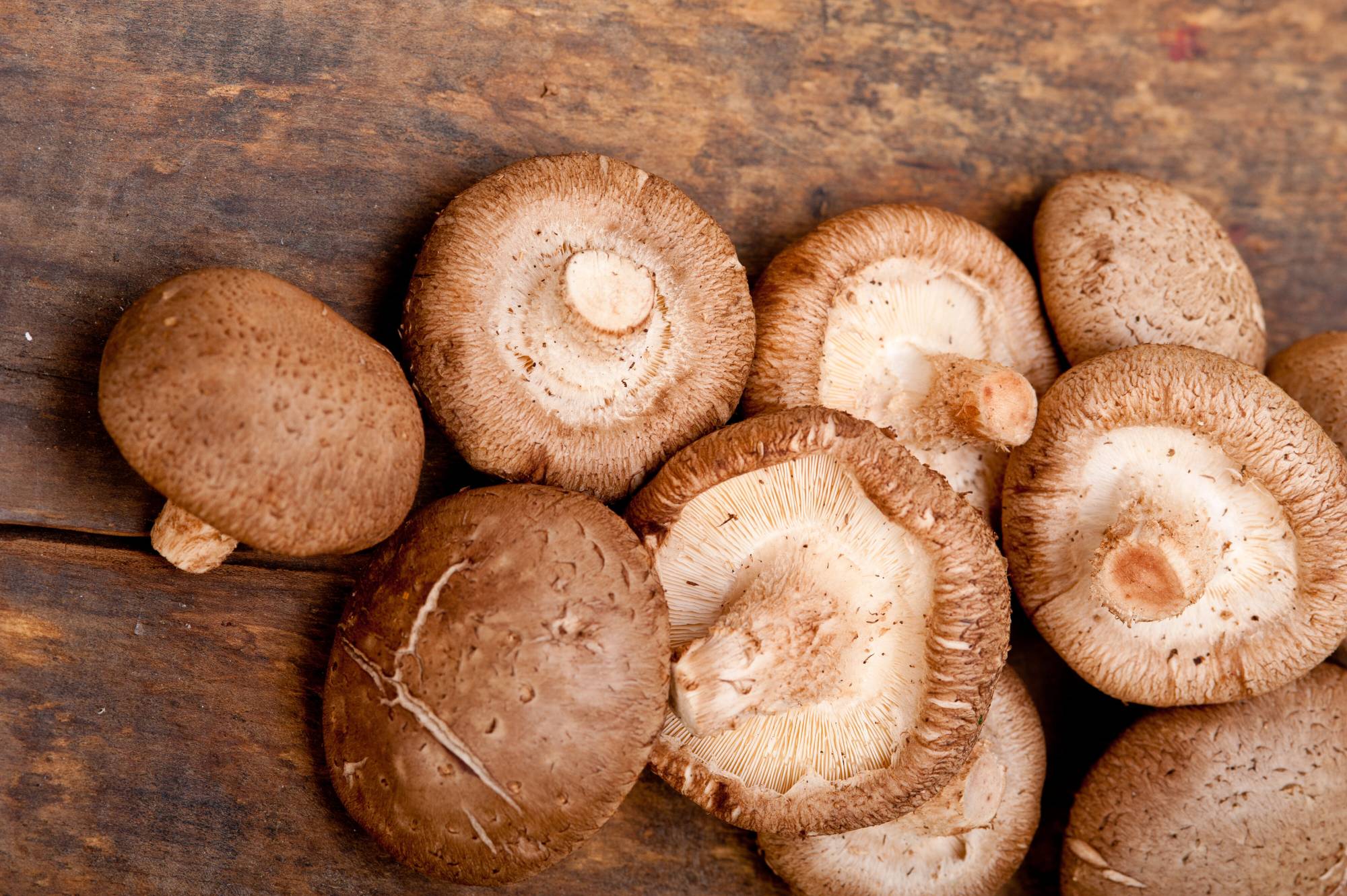
Shiitake mushrooms (34 calories per 100 g): contain a substance called eritadenine, an anticholesterolemic agent. They also contain fibers such as beta-glucans and phytosterols that help regulate blood cholesterol levels.
Fish and seafood: salmon, tuna, sardines, herring, anchovies, mullet, cod, and trout are rich in omega-3, a polyunsaturated fatty acid essential for maintaining health. It helps lower triglyceride levels and blood pressure, preventing heart attacks.
Asparagus: rich in folate, a B-complex vitamin essential for a healthy cardiovascular system. Combined with vitamins B6 and B12, it forms a coenzyme that reduces levels of homocysteine, an amino acid that, in excess, affects the cardiovascular system. Moreover, asparagus was one of the first foods that caught the attention of Kikunae Ikeda, the discoverer of umami. For the Japanese chemist, it was one of the foods whose taste clearly differed from the four already known ones: sweet, salty, sour, and bitter.
UMAMI
It is the fifth basic taste of the human palate, discovered in 1908 by Japanese scientist Kikunae Ikeda. It was scientifically recognized in 2000, when researchers at the University of Miami confirmed the existence of specific receptors for this taste on taste buds. The amino acid glutamic acid and the nucleotides inosinate and guanylate are the main Umami substances. The two main characteristics of Umami are increased salivation and the lingering taste that remains for a few minutes after eating. To learn more, visit www.portalumami.com.br.
UMAMI COMMITTEE
The Umami Committee Brazil discusses and promotes topics related to the fifth taste. The Committee has a direct connection with the Umami Information Center (UIC), a non-profit organization dedicated to research on the subject. To learn more, visit http://www.umamiinfo.com/.
Umami foods are delicious and also good for the heart | Press
-
Telephone
+55 (11) 3165-9595 / 91665-8665
-
Email
umami@fsb.com.br
Related news
- Notícia
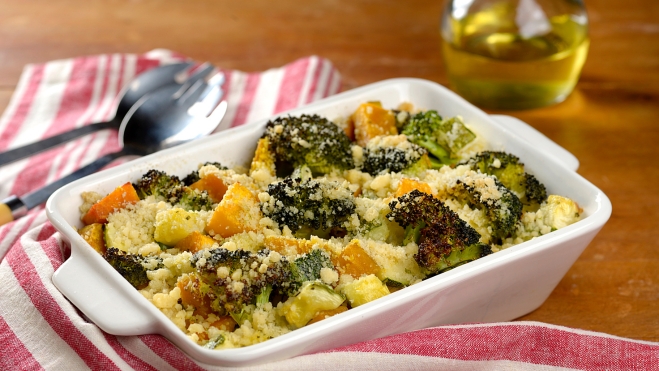
Less Salt, More Umami: Try Flavorful Recipes with Reduced Sodium
- Notícia
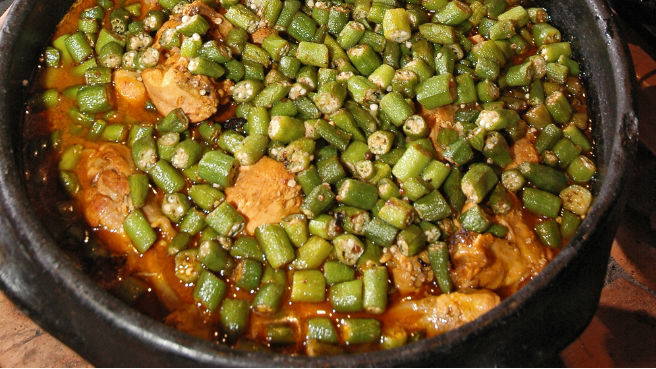
Minas Gerais Cuisine: Chef Explains What Makes the Region’s Dishes So Flavorful

- Notícia
Golden August: the first strategic asset of our lives is breastfeeding.
- Notícia