
Umami Even Underwater | Press
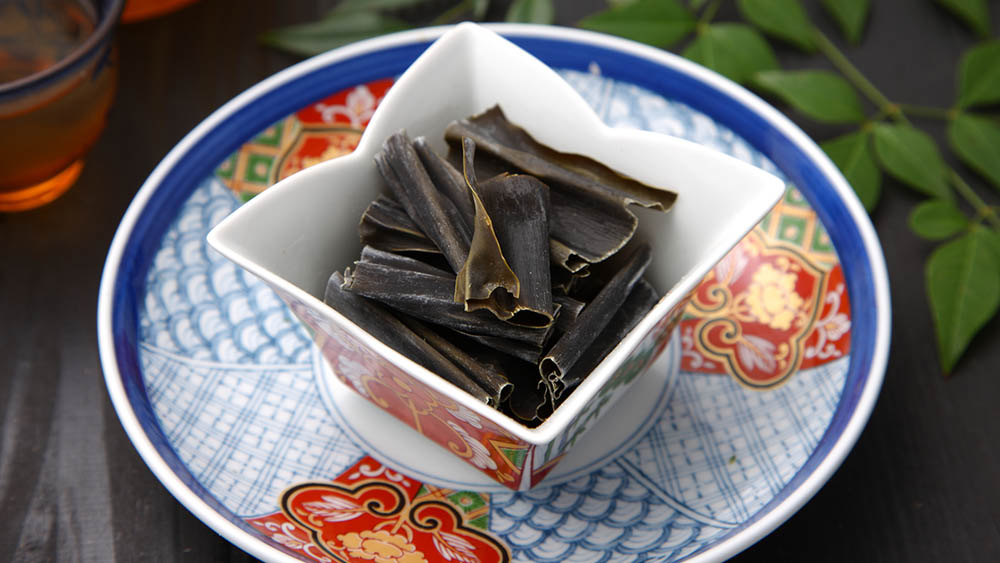
Foods that come from saltwater are rich in umami substances.
São Paulo, December 2017 – It’s nothing new that the ocean is considered an environment still little explored by humans. The sea holds many particularities—countless colors and flavors that surprise anyone. That’s why the diversity of animals and plants found there is widely used in modern gastronomy and lends refinement to dishes.
Seaweeds, so common in aquatic environments, are increasingly used in Western preparations and carry a special touch: umami—one of the five basic tastes of the human palate. “Among them, kombu, found in East Asian seas, contains a certain amount of glutamate, the amino acid responsible for providing umami. Perhaps this is why people in the East appreciate this delicacy so much,” says Hellen Maluly, PhD in Food Science from Unicamp. Umami was discovered in 1908 by University of Tokyo professor Kikunae Ikeda and has been gaining notoriety worldwide in recent years.
Umami is also notable in fish and seafood. The main characteristics of this taste are increased salivation and a lingering flavor on the tongue. “For those who want to experience umami in a practical way, I recommend sardine, seabream, tuna, anchovy, or mackerel. Other options are fish stew or paella, dishes that feature many foods from the sea,” Maluly adds.
Fish preparations that involve salting, such as cod, or canning further enhance the presence of umami, mainly due to longer maturation times. “During maturation, fermentative processes modify the food’s flavor, releasing higher concentrations of amino acids such as glutamate. Free glutamate delivers a more intense umami,” she notes.
The consumption of fermented fish and seafood is common in Japan, China, and other Eastern countries. “This shows that Eastern populations are more familiar with these foods which, besides having relevant concentrations of glutamate, also develop an intense aroma. One example is the significant umami substances found in katsuobushi, a dried and smoked preserve made from bonito and tuna,” Maluly concludes.
UMAMI
It is the fifth basic taste of the human palate, discovered in 1908 by Japanese scientist Kikunae Ikeda. It was scientifically recognized in 2000, when researchers at the University of Miami confirmed the existence of specific receptors for this taste on the taste buds. The amino acid glutamic acid and the nucleotides inosinate and guanylate are the main umami substances. The two main characteristics of umami are increased salivation and a lingering taste for a few minutes after food is consumed. To learn more, visit portalumami.com.br and follow on social media at facebook.com/GostoUmami and instagram.com/ogostoumami.
Umami Even Underwater | Press
-
Telephone
+55 (11) 3165-9595 / 91665-8665
-
Email
umami@fsb.com.br
Related news
- Notícia
Minas Gerais Cuisine: Chef Explains What Makes the Region’s Dishes So Flavorful

- Notícia
Golden August: the first strategic asset of our lives is breastfeeding.

- Notícia
Easter Sunday: check out five recipes that will awaken the umami taste on this special date

- Notícia