
Umami can help seniors accept foods | Press

Umami helps improve food acceptance among older adults and contributes to the diets of other population groups.
Studies indicate that the umami taste—the fifth basic taste of the human palate—helps improve food acceptance among seniors. Others who may benefit from Umami include children and vegetarians, who can make their diets more flavorful and appealing through it.
SENIORS
Between the ages of 60 and 70, the decline in taste perception becomes more pronounced. As mealtime pleasure decreases, it’s common for older adults to reduce the amount of food they eat. Over time, this reduction can lead to certain health problems.
Hellen Maluly, a professor at Faculdade Oswaldo Cruz and a specialist in the fifth taste, explains that adding umami-rich foods to seniors’ diets helps make meals more flavorful and, in turn, increases food intake in older age. “An example is a study conducted in Japan that proved the effectiveness of substances that confer the Umami taste in the diet of seniors. According to the research, patients who included the fifth taste in their daily eating routine experienced, overall, an improvement in health status,” she explains.
CHILDREN
The word umami is of Japanese origin and, translated into Portuguese, can be understood as tasty or savory. It’s no coincidence that one of the main characteristics of the fifth taste is precisely to make dishes more attractive and appetizing. “One way to help children eat better is to use umami ingredients combined with foods that are harder to accept. Vegetables in general—such as broccoli, kale, arugula—often have flavors that are rejected, but when paired with meats, cheeses, tomato, peas, and corn, which are umami-rich foods, they become easier for little ones to eat,” the professor notes.
VEGETARIANS
Animal-based foods are not the only ones rich in Umami; vegetables and fungi also have this taste, thanks to glutamate and also to the nucleotides (molecules that play several roles in our bodies and are components of our DNA) inosinate and guanylate, which are responsible for conferring the fifth taste. Therefore, vegetarians can benefit from Umami by using nutritious, umami-rich foods—such as vegetables, mushrooms, and seaweeds—in their diets. “In addition, seasoning salads and other foods with sauces can further enhance flavor. Soy sauce is a simple and tasty example of an umami-rich condiment that can make a vegetarian dish more appealing when used in the right amount,” advises Hellen.
UMAMI TASTE
Umami is the fifth basic taste of the human palate and was discovered in 1908 by Japanese chemist Kikunae Ikeda. However, it was only recognized by the scientific community in 2000, when researchers at the University of Miami found specific receptors on the taste buds. The amino acid glutamate and the nucleotides inosinate and guanylate are the main substances that provide Umami. Parmesan cheese, tomato, mushrooms, and meats in general are foods that contain these substances in large proportions and therefore exhibit the fifth taste more intensely. The two main characteristics of Umami are increased salivation and a lingering taste for a few minutes after eating.
UMAMI COMMITTEE
The Umami Committee Brazil is a group created to discuss and disseminate topics related to Umami, the fifth basic taste of the human palate. The committee has a direct relationship with the Umami Information Center (UIC), a non-profit organization dedicated to research on the subject.
Umami can help seniors accept foods | Press
-
Telephone
+55 (11) 3165-9595 / 91665-8665
-
Email
umami@fsb.com.br
Related news
- Notícia
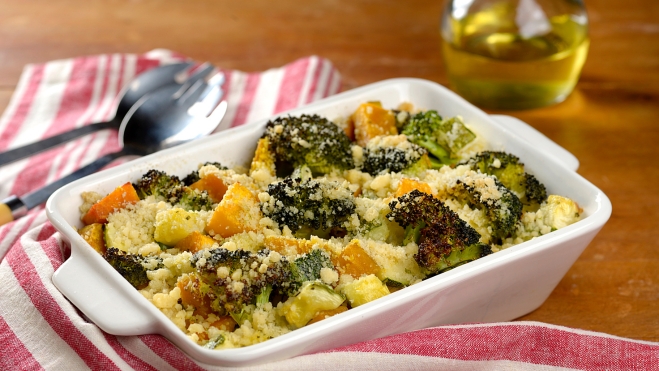
Less Salt, More Umami: Try Flavorful Recipes with Reduced Sodium
- Notícia
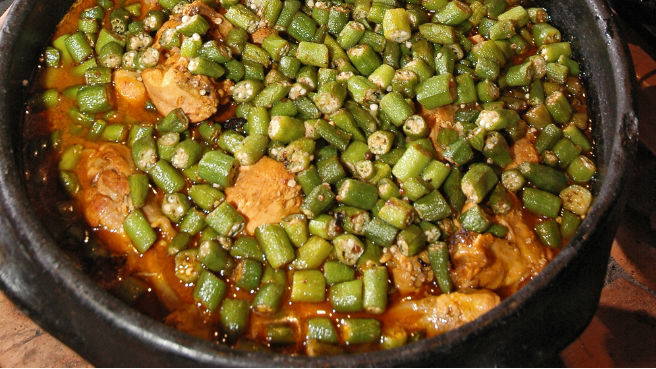
Minas Gerais Cuisine: Chef Explains What Makes the Region’s Dishes So Flavorful

- Notícia
Golden August: the first strategic asset of our lives is breastfeeding.
- Notícia