
Umami beyond the plate: learn to identify the fifth taste in cocktails and fermented beverages
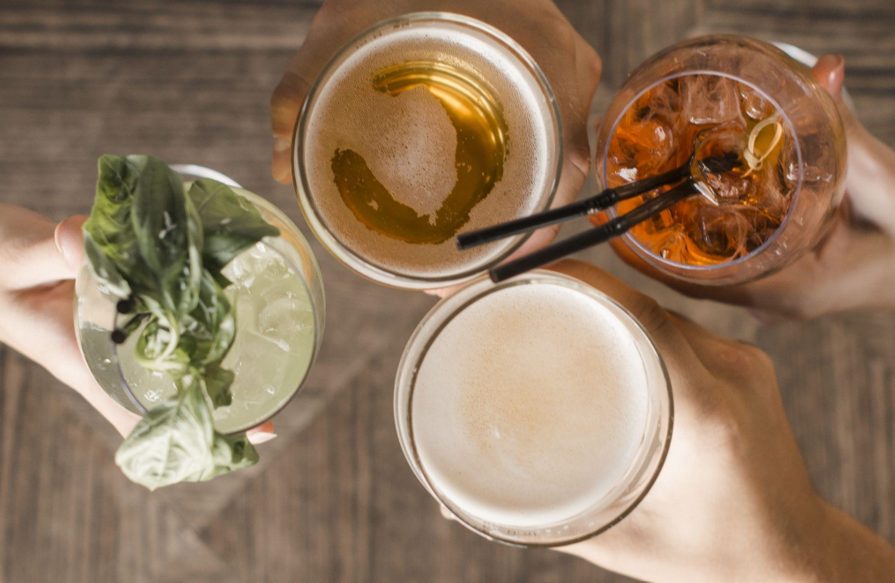
São Paulo, May 2024 – Recognized as the fifth basic taste of the human palate—alongside sweet, salty, sour, and bitter—umami has increasingly become a culinary ally. However, its potential goes beyond dishes and into the world of drinks, which, like foods, contain many flavor components.
Umami is perceived in foods rich in glutamate, the main amino acid responsible for this taste, and producers of alcoholic beverages have been exploring ways to introduce it into their creations. “Even when the raw material is not originally umami, fermentation can enrich the beverage with glutamate notes,” says Hellen Maluly, PhD in Food Science and consultant to the Umami Committee.
Umami ingredients can harmonize a cocktail’s flavors. Though more subtle than in foods, the presence of umami has been observed in different kinds of beverages—such as sake, Champagne, wine, and beer—and its intensity varies according to the production process.
“Beverages that undergo fermentation tend to generate compounds that stimulate the senses. It will depend on the substrate (fermentable grains), the type of yeast, and other products added to create flavor,” Hellen explains.
Pairing beverages with umami-rich ingredients offers a unique sensory experience capable of softening intense flavors. The specialist notes that drinks with astringent or higher-alcohol characteristics can cause a dry-mouth sensation—something that can be eased by umami-rich foods like cheeses and meats, which increase salivation and, when consumed alongside these beverages, provide balance during tasting.
“Moreover, with more saliva present, the aromas in the mouth—from both the beverages and the paired food—become more diluted and are heightened, making the sensations more pleasant,” she concludes.
UMAMI
It is the fifth basic taste of the human palate, discovered in 1908 by Japanese scientist Kikunae Ikeda. It was scientifically recognized in 2000, when researchers at the University of Miami confirmed the existence of specific receptors for this taste on the taste buds. The amino acid glutamic acid and the nucleotides inosinate and guanylate are the main umami substances. The two main characteristics of umami are increased salivation and a lingering taste for a few minutes after eating. To learn more, visit www.portalumami.com.br.
Umami beyond the plate: learn to identify the fifth taste in cocktails and fermented beverages
-
Telephone
+55 (11) 3165-9595 / 91665-8665
-
Email
umami@fsb.com.br
Related news
- Notícia
Less Salt, More Umami: Try Flavorful Recipes with Reduced Sodium
- Notícia
Minas Gerais Cuisine: Chef Explains What Makes the Region’s Dishes So Flavorful

- Notícia
Golden August: the first strategic asset of our lives is breastfeeding.
- Notícia