
Umami: an ally in children’s eating | Press
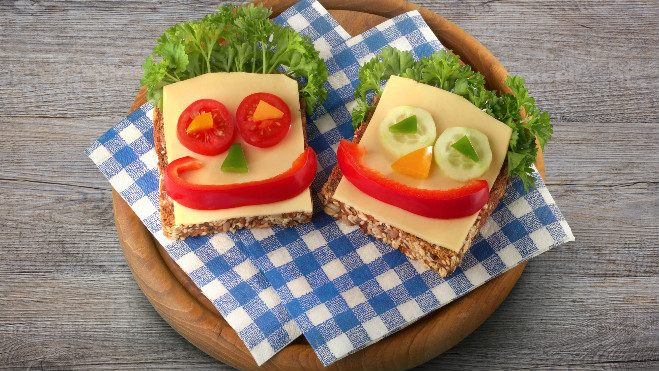
Feeding difficulties in children are a common problem in the routine of parents and educators. One way to turn this “near-impossible mission” into a tasty meal is to build colorful plates for the little ones with foods rich in umami.
Feeding difficulties in children—regardless of age—are a common problem for parents and educators. Convincing kids to eat healthily, with meals that bring together all food groups, is essential for their development. One way to turn this “near-impossible mission” into a tasty meal that appeals to children is to make their plates colorful and include foods rich in umami, such as cheeses, tomato, corn, peas, meats, and mushrooms.
A study by Professor J. E. Steiner of the Hebrew University of Jerusalem, published in the book Umami: A Basic Taste (1987), showed that newborns can already perceive and readily accept the umami taste from their first days of life. “The researcher evaluated babies’ facial expressions after they were given a solution with a small amount of each taste and concluded that upon sensing sweet and umami, the babies appeared satisfied and showed a ‘happy’ expression. For bitter and sour, they ‘wrinkled their noses,’ and for salty the perception was not very clear. This is because breast milk contains umami substances as well as sugars, which aligns with the test results using the solutions,” explains Hellen Maluly, professor of Food Bromatology and Toxicology at Faculdade Oswaldo Cruz.
Umami can be well accepted by the palate for several reasons—two examples are that it enhances the flavor of foods and can be easily combined with other basic tastes. Thus, it is possible to make some meals more appealing with the right ingredients. “Arugula salad is a great example. If we add tomatoes, a little cheese, or even a small spoonful of soy sauce—three foods rich in umami—we can make it much tastier and also get kids to consume the vitamins these foods provide,” says Maluly.
“Variety in the composition of the diet can help children’s development and health. That’s why it’s important to present all tastes and different aromas in children’s foods, so they become accustomed to good eating,” adds the umami specialist.
Umami and children undergoing treatment
Ilana Elman, who holds a PhD in Nutrition from the University of São Paulo (USP), conducted the study “Analysis of Umami Taste Sensitivity in Children with Cancer,” which suggests that umami improves palatability and, consequently, the food acceptance of children undergoing cancer treatment. According to her, “Umami is related to increased palatability of preparations, which can help improve food acceptance in pediatric cancer patients,” she explains.
In addition, the role of the substance that provides the umami taste is to enhance—“elevate”—the flavor of dishes when used in appropriate amounts. Ilana also notes that “the population studied showed sensitivity to this taste; that is, when solutions were offered in ascending order of concentration, the children noticed at the lowest concentrations that the taste was present,” thus demonstrating improved palatability.
UMAMI TASTE
Umami is the fifth basic taste of the human palate and was discovered in 1908 by Japanese chemist Kikunae Ikeda. However, it was only recognized by the scientific community in 2000, when researchers at the University of Miami found specific receptors on the taste buds. The amino acid glutamate and the nucleotides inosinate and guanylate are the main substances that provide umami. Parmesan cheese, tomato, mushrooms, and meats in general are foods that contain these substances in high proportion and therefore display the fifth taste more intensely. The two main characteristics of umami are increased salivation and a lingering taste for a few minutes after eating.
Umami: an ally in children’s eating | Press
-
Telephone
+55 (11) 3165-9595 / 91665-8665
-
Email
umami@fsb.com.br
Related news
- Notícia
Less Salt, More Umami: Try Flavorful Recipes with Reduced Sodium
- Notícia
Minas Gerais Cuisine: Chef Explains What Makes the Region’s Dishes So Flavorful

- Notícia
Golden August: the first strategic asset of our lives is breastfeeding.
- Notícia