
Try foods with the 5 basic tastes of the human palate
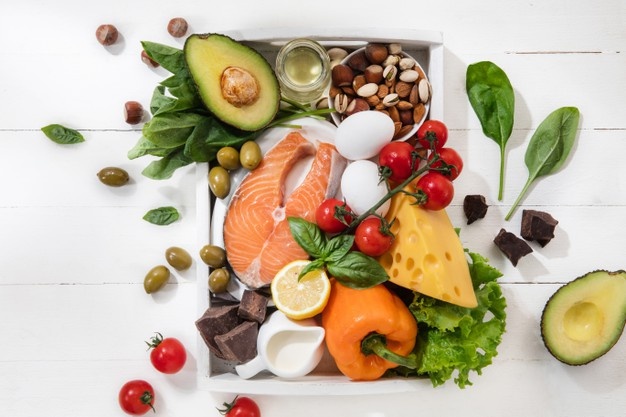
Recognizing the different tastes can stimulate gustatory perception and provide new sensations through food.
October 2021 – The discovery of new tastes and textures through food is appealing to many people seeking pleasurable gastronomic experiences. For nutritionist Mariana Rosa from the Umami Committee, spreading knowledge about the five basic tastes of the palate also means raising awareness about healthy eating.
“Our tongue has taste buds all over its surface, responsible for detecting and differentiating the five tastes, since each area has distinct sensory receptors. Perceiving foods and sensations is essential to adopting a healthier diet,” explains Mariana.
In the month when World Food Day (October 16) is celebrated, the specialist presents foods that correspond to the tastes sweet, sour, salty, bitter, and umami.
Sweet
Sweet foods are a source of energy and carbohydrates. This taste is easily found in fruits, vegetables, grains, honey, chocolate, milk, and dairy products. Foods rich in starch also provide a sweet taste, such as rice, potatoes, pasta, beans, peas, flour, and cornstarch.
Sour
Sour foods are important sources of vitamins and minerals and are present in citrus fruits such as lemon, pineapple, strawberry, and other red fruits.
Salty
The salty taste is found in foods that naturally contain sodium, such as meat, fish, eggs, cheese, and vegetables, as well as in fermented foods like soy sauce and miso paste. These are rich in minerals and contribute to the proper functioning of the central nervous system and overall health.
Bitter
Bitterness in food is typically found in vegetables such as arugula, chicory, artichoke, okra, turnip, endive, eggplant, and capers. These are important for digestion because they stimulate enzyme production and, consequently, bile flow.
Umami
The fifth taste of the human palate is umami, discovered in 1908 by Japanese scientist Kikunae Ikeda and scientifically recognized in 2000. Foods rich in umami increase salivation and prolong flavor, and can be found in meats, fish and seafood, mushrooms, eggs, vegetables, legumes, asparagus, milk, cheese, and green tea.
UMAMI
It is the fifth basic taste of the human palate, discovered in 1908 by Japanese scientist Kikunae Ikeda. It was scientifically recognized in the year 2000 when researchers from the University of Miami confirmed the existence of specific receptors for this taste on the taste buds. The amino acid glutamic acid and the nucleotides inosinate and guanylate are the main umami substances. The two main characteristics of umami are increased salivation and the lingering taste that remains for a few minutes after eating. To learn more, visit www.portalumami.com.br.
Try foods with the 5 basic tastes of the human palate
-
Telephone
+55 (11) 3165-9595 / 91665-8665
-
Email
umami@fsb.com.br
Related news

- Notícia
Less Salt, More Umami: Try Flavorful Recipes with Reduced Sodium
- Notícia
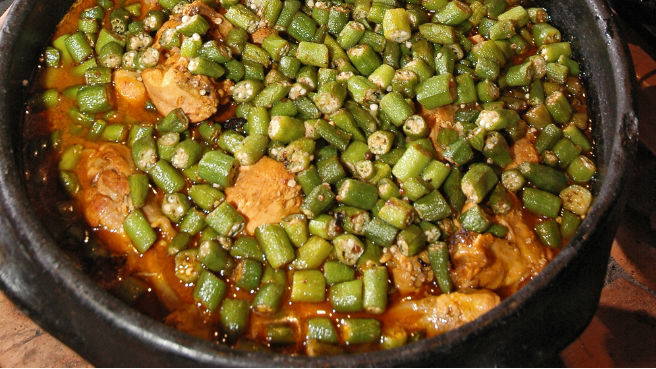
Minas Gerais Cuisine: Chef Explains What Makes the Region’s Dishes So Flavorful

- Notícia
Golden August: the first strategic asset of our lives is breastfeeding.
- Notícia