
Tomato benefits you need to know
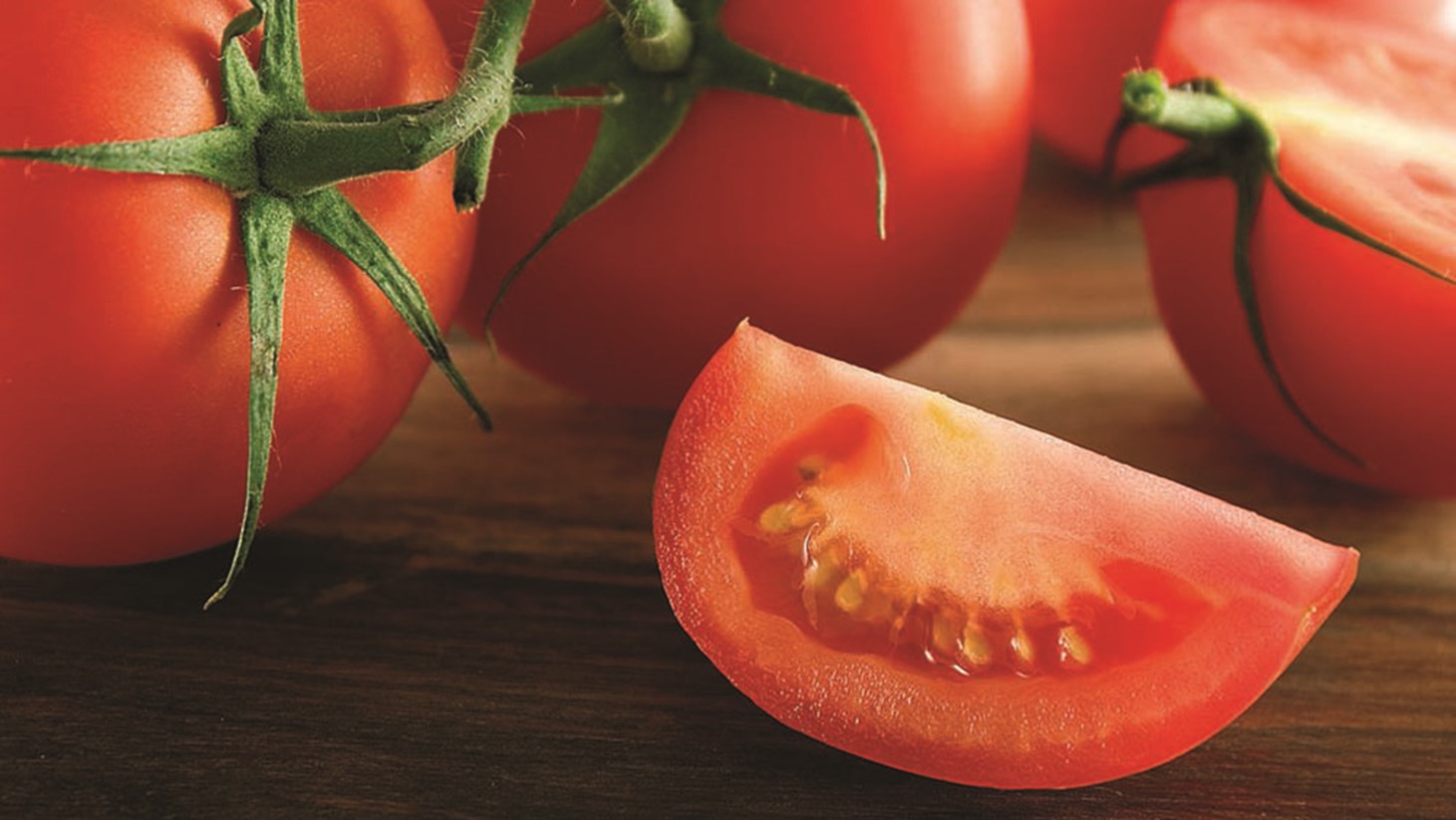
Nutritionist highlights disease prevention and even skin hydration.
Raw, sun-dried, stuffed, tomato sauce or even juice—the truth is that this little red fruit shows up in everyday cooking more than we realize. Even though it’s so popular, some of its characteristics aren’t always known. One example is that not everyone knows tomatoes belong to the group of foods that provide the umami taste.
“When we taste a ripe tomato, we first perceive two of the five basic tastes: sweet and/or sour (depending on the variety). But shortly after, we can sense umami through increased salivation and a pleasant mouthfeel,” says Lisiane Miura, a nutritionist with the Umami Committee—an organization responsible for promoting the umami taste in Brazil. Besides pleasing the palate, tomatoes also deliver other health benefits. Check them out below:
Weight control
To lose weight, it’s necessary to reduce and control the intake of fats and carbohydrates. However, many people struggle to follow stricter diets because fattier foods often seem more appetizing. That’s where tomatoes come in. With only 15 kcal per 100 g, they can be added to many dishes to make meals more flavorful.
Skin hydration
Because it’s rich in lycopene, tomato can act as an antioxidant. This helps combat the harmful action of free radicals, maintaining the skin’s elasticity, integrity, and balance. In addition, tomatoes are rich in water, which supports hydration of the body and, consequently, helps keep skin healthy.
Anti-inflammatory effect
Tomato can be considered a beneficial food for strengthening the immune system and combating inflammatory processes. That’s because it’s rich in vitamin C and lycopene, which is also known as a protective agent for the prostate.
#NutritionTip
Preparation methods can change tomato’s properties. Cooking, for example, can cause loss of minerals and vitamins. “Ideally, eat tomatoes raw. Besides being tasty, it’s a way to preserve all the nutrients,” explains Lisiane. As for ripeness, the nutritionist advises: “the riper, the better.”
UMAMI
It is the fifth basic taste of the human palate, discovered in 1908 by Japanese scientist Kikunae Ikeda. It was scientifically recognized in 2000, when researchers at the University of Miami found specific receptors for this taste on the taste buds. The amino acid glutamic acid and the nucleotides inosinate and guanylate are the main umami substances. The two main characteristics of umami are increased salivation and a lingering taste for a few minutes after eating. To learn more, visit www.portalumami.com.br and follow on social media at facebook.com/ogostoumami and instagram.com/ogostoumami.
Tomato benefits you need to know
-
Telephone
+55 (11) 3165-9595 / 91665-8665
-
Email
umami@fsb.com.br
Related news

- Notícia
Minas Gerais Cuisine: Chef Explains What Makes the Region’s Dishes So Flavorful

- Notícia
Golden August: the first strategic asset of our lives is breastfeeding.

- Notícia
Easter Sunday: check out five recipes that will awaken the umami taste on this special date

- Notícia