
The Benefits of Teas and Infusions: Learn How They Can Contribute to Health
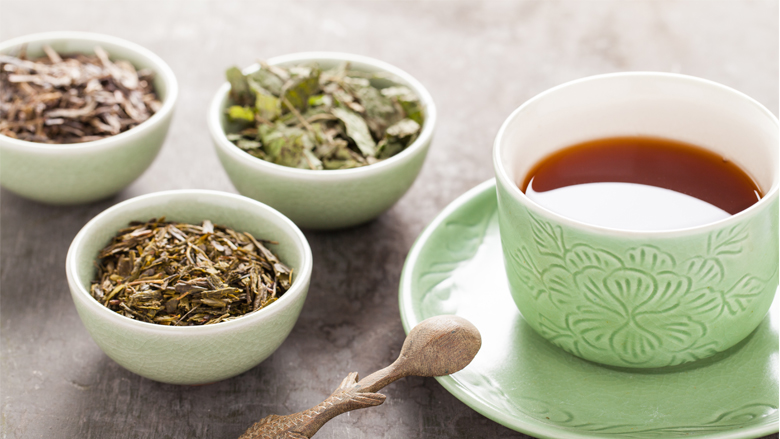
Discover the types of teas or infusions that can help manage stress, improve digestion, and aid in disease prevention
January 2021 – Daily companions for many people, teas and infusions fit various moments, whether to start the day, enjoy an afternoon chat, or relax before bedtime. The fact is that they are considered “comfort beverages,” and knowing how to consume them can bring several benefits throughout the day.
“First of all, it’s important to differentiate the terms: we can call ‘tea’ the infusions made from the various leaves of Camellia sinensis. Other drinks made from leaves and other parts of different plants or herbs are not called ‘tea’; they are only ‘infusions’,” says Hellen Maluly, PhD in Food Science and consultant for the Umami Committee, the organization responsible for promoting the fifth basic taste of the human palate in Brazil.
In tea bags or prepared from the fresh plant, teas and infusions please the most diverse palates with their different types and functions. “In addition to helping with daily hydration, these beverages can have a slightly sweet character, such as fennel or lemon balm infusions; bitter, such as boldo tea; sour, when using hibiscus flowers; and umami, the taste present in green tea and some types of kombucha, which are beverages made from the fermentation of green tea,” explains Hellen.
To make the most of their health benefits, Hellen Maluly prepared a list of teas and infusions and some recommendations on which ones to look for and why.
Camellia sinensis
There are different varieties of teas produced from Camellia sinensis. According to the UK Tea and Infusions Association, there are scientific reports suggesting various benefits associated with the consumption of black tea, green tea, oolong tea, and pu-erh (post-fermented or aged tea), for example. In addition to the pleasure provided by the balance between the slight astringency caused by tannins (polyphenols) and umami, due to amino acids such as glutamate, there is evidence that these substances may also help balance the intestinal microbiota.
Another notable feature is their contribution to reducing the risk of dementia, obesity, cancer, diabetes, and cardiovascular diseases, mainly due to the presence of polyphenols, antioxidants that can help in the prevention of these conditions.
Fennel
Native to the Mediterranean, fennel seeds contain antioxidants capable of acting in the prevention of gastrointestinal diseases, diabetes, and hypertension. “In addition, its essential oil, which normally cannot be obtained in sufficient quantities from infusions but can be acquired in pharmacies specializing in herbal medicine, may have antifungal or antibacterial activity, as well as anti-inflammatory and hepatoprotective effects,” explains the Umami Committee consultant.
There is usually no need to sweeten this type of infusion, as it is naturally flavorful thanks to its sweet and refreshing aromas, which can generate a sense of tranquility.
Chamomile
Chamomile infusion is excellent for relaxation. These small daisy-like flowers are a true natural calming agent. Drinking a cup 45 minutes before bed can help you fall asleep faster. Chamomile also has antioxidant properties, which can help prevent damage to liver, colon, and even lung cells.
Another use is in compresses to relieve swelling and inflammation. Prepare the tea as usual and refrigerate it. In cases of dark circles, it acts on dilated blood vessels. In addition to hydrating, it also softens the skin’s appearance.
Hibiscus
With the presence of anthocyanins in these beautiful and aromatic flowers, their bioactive properties as antioxidants and antimicrobials have been proven. In addition, their flavor, which easily blends with slightly sour and sweet tastes, and their pleasant aroma can help with hydration by increasing the consumption of refreshing liquids.
UMAMI
It is the fifth basic taste of the human palate, discovered in 1908 by Japanese scientist Kikunae Ikeda. It was scientifically recognized in 2000, when researchers at the University of Miami confirmed the existence of specific receptors for this taste in the taste buds. The amino acid glutamic acid and the nucleotides inosinate and guanylate are the main umami substances. The two main characteristics of umami are increased salivation and the persistence of taste for a few minutes after food ingestion. To learn more, visit www.portalumami.com.br.
The Benefits of Teas and Infusions: Learn How They Can Contribute to Health
-
Telephone
+55 (11) 3165-9595 / 91665-8665
-
Email
umami@fsb.com.br
Related news

- Notícia
Less Salt, More Umami: Try Flavorful Recipes with Reduced Sodium

- Notícia
Minas Gerais Cuisine: Chef Explains What Makes the Region’s Dishes So Flavorful

- Notícia
Golden August: the first strategic asset of our lives is breastfeeding.

- Notícia