
Tastes and Flavors: The Art of Combining | Press
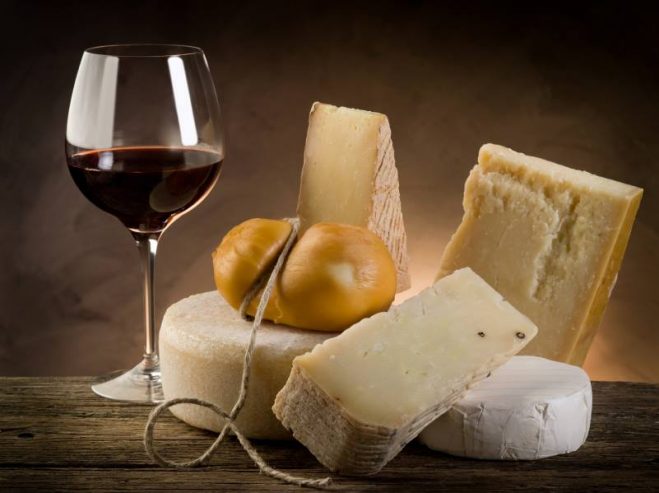
São Paulo, May 2016 – Humans are capable of identifying five tastes: sweet, salty, sour, bitter, and umami. The latter – whose existence was scientifically confirmed in 2000 – is very common in Eastern cuisine and has been gaining popularity in Western gastronomy over the years.
Perceiving all five tastes may be an easy task even for untrained palates, but when it comes to flavor, things become much more complex. This is because the process involves two or more senses, mainly smell, touch, and taste. “The French philosopher and researcher Michel Onfray, author of La raison gourmande (The Greedy Reason), discusses the relationship between reason and emotion in eating, also demonstrating the importance of external factors such as lighting, colors, and sounds in stimulating taste memory,” explains Hellen Maluly, PhD in Food Science from the University of Campinas (Unicamp).
The abundance of dishes prepared across cultures showcases the infinite combinations between fruits, meats, sauces, and more. Textures, colors, and aromas also play key roles in the final result. The “alchemy” of tastes and flavors is an art that can delight even the least refined palates (see at the end a table with tips on how to combine umami with the other four basic tastes of the human palate).
When it comes to pairing, one of the best-known examples of synergy is the combination of cheese and wine. This occurs because the salty and umami tastes present in cheese suppress the acidity of the wine and change its sensory perception. Astringency – the dry, puckering sensation caused by tannins in red wines – is also reduced through contact between these compounds and the proteins in cheese, which compete with those in saliva for binding with tannins. The result is a more balanced beverage with lower acidity and, for wine lovers, a more refined experience.
What many people already sensed was confirmed by a 2010 study published in Food Quality and Preference, which analyzed the traditional pairing of wine and cheese. The research involved 54 consumers and 22 sommeliers and was based on the sensory perception of ten Australian Shiraz wines and one type of cheddar cheese. The results showed that eating cheddar before drinking wine reduces the duration of “leather” or “barnyard” aromas (which some experts consider defects in wine when too intense) and decreases astringency intensity.
“This type of cheese, used in the Australian study, deserves special mention, as research confirms its high concentration of umami substances. Other cheeses, such as Swiss and Parmesan, also share this characteristic and can be excellent allies for pairing with wines and other beverages,” concludes Maluly.
Synergy Between Umami and the Other Four Basic Tastes
- Umami + salty: reduces and softens excessive saltiness. Example: adding mushrooms to sauces with little salt can enhance flavor and reduce sodium.
- Umami + bitter: moderates residual bitterness. Example: sprinkle grated Parmesan over jiló (a Brazilian bitter vegetable) or prepare a Parmesan-breaded version.
- Umami + sour: decreases undesirable acidity. Example: add cherry tomatoes and a bit of Parmesan to salads seasoned with vinegar or lemon. A good case is arugula salad, which is sour, slightly bitter, and astringent. The combination of ingredients makes its flavor more pleasant.
- Umami + sweet: enhances sweetness when sugar is present in low concentrations. Example: queijadinha and paçoca.
UMAMI
It is the fifth basic taste of the human palate, discovered in 1908 by Japanese scientist Kikunae Ikeda. It was scientifically recognized in 2000 when researchers at the University of Miami confirmed the existence of specific receptors for this taste in the taste buds. The amino acid glutamic acid and the nucleotides inosinate and guanylate are the main Umami substances. The two main characteristics of Umami are increased salivation and the continuation of the taste for a few minutes after eating. To learn more, visit portalumami.com.br
UMAMI COMMITTEE
The Umami Committee Brazil discusses and promotes topics related to the fifth taste. The Committee has a direct relationship with the Umami Information Center (UIC), a non-profit organization dedicated to research on the subject. To learn more, visit umamiinfo.com.
Tastes and Flavors: The Art of Combining | Press
-
Telephone
+55 (11) 3165-9595 / 91665-8665
-
Email
umami@fsb.com.br
Related news
- Notícia
Less Salt, More Umami: Try Flavorful Recipes with Reduced Sodium
- Notícia
Minas Gerais Cuisine: Chef Explains What Makes the Region’s Dishes So Flavorful

- Notícia
Golden August: the first strategic asset of our lives is breastfeeding.
- Notícia