
Take care of your diet by including foods rich in umami
Credits: Pexels
On World Food Day, a nutritionist from the Umami Committee shares tips on foods that contribute to health
São Paulo, octubre de 2022 – Do you know that feeling of salivation when you think about a specific dish, or the aftertaste you get after eating something succulent, like spaghetti bolognese with lots of parmesan cheese on top? That’s the umami taste in action!
Besides sweet, salty, sour, and bitter, umami is the fifth basic taste of the human palate. Identified in 1908 by the Japanese professor and scientist Kikunae Ikeda, umami can be found naturally in various foods – including tomatoes, mushrooms (dried shimeji and shiitake), chicken, corn, tuna, and parmesan cheese – through the presence of the amino acid responsible for the taste, glutamate.
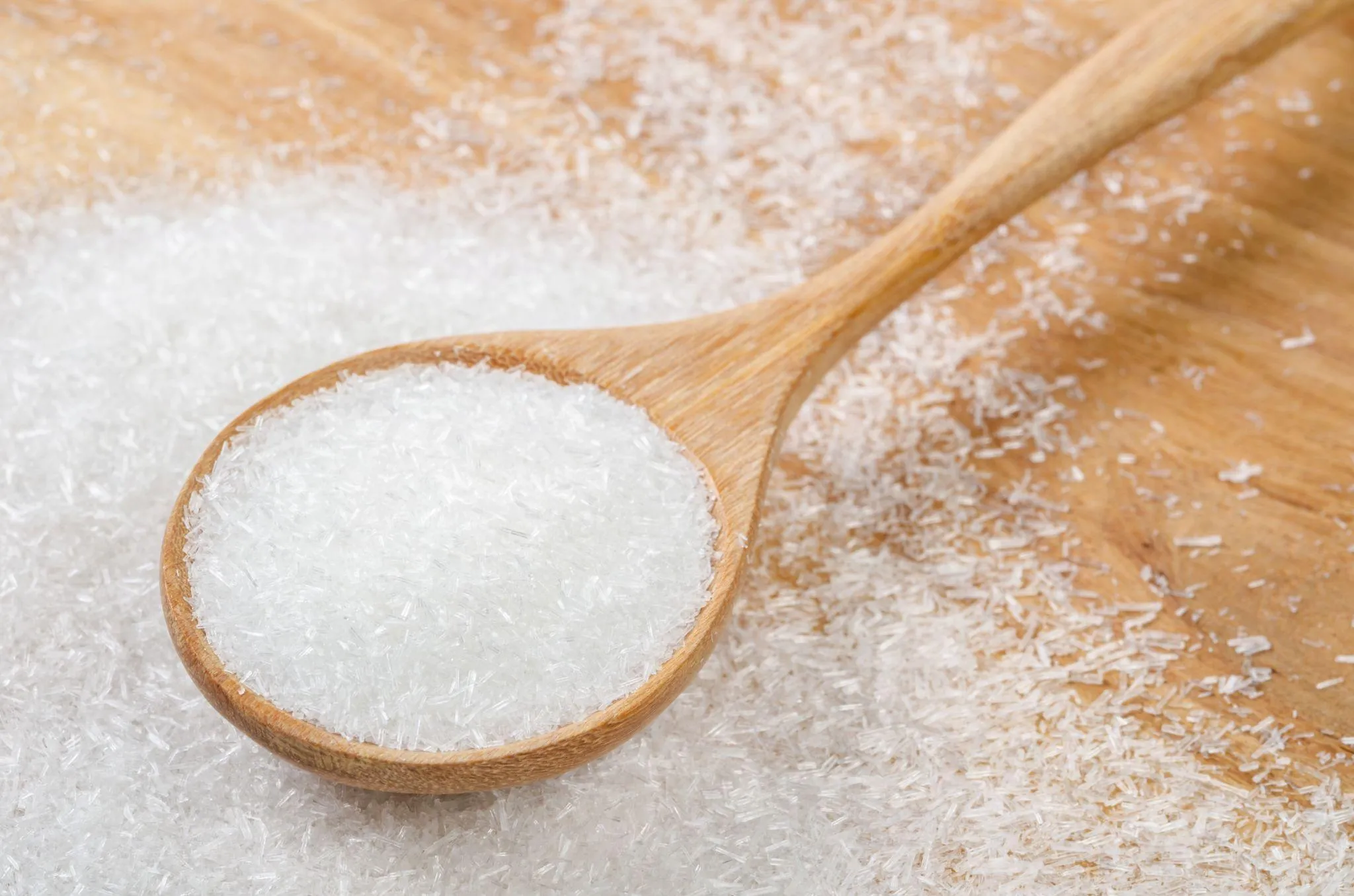
Monosodium glutamate (MSG) is the industrialized version of the natural amino acid and provides the umami taste. Dr. Hellen Maluly, a food scientist and consultant for the Umami Committee, reports that it is a delicious ingredient that enhances flavor and improves the sensory experience of dishes. “Contrary to what many people say, MSG is proven safe by several regulatory bodies,” she adds.
The professional from the Umami Committee – a group responsible for nationally popularizing the fifth taste – separated six myths and truths about monosodium glutamate to serve as information:
1. MSG has A LOT of sodium
“Myth, because monosodium glutamate has only 1/3 of the amount of sodium found in table salt. For example, if you use a teaspoon of salt to make rice, switch to using ½ teaspoon of salt and ½ teaspoon of MSG,” Hellen pointed out. By replacing part of the amount of salt with MSG, it is possible to reduce sodium in preparations by up to 37%.
2. Monosodium glutamate can bring health benefits
This is true! The doctor explains that MSG can bring some benefits to the body, ranging from reducing sodium in preparations and harmonizing recipes to increasing salivation, which contributes to better digestion and oral hygiene. This helps the elderly and patients undergoing chemotherapy to eat better, as it assists in chewing, swallowing, and diluting flavorful compounds in food.
3. Monosodium glutamate can cause cancer
Another myth. Renowned oncologists even use the ingredient in patients undergoing chemotherapy, since some symptoms of this type of treatment are loss of taste and decreased salivation.
4. MSG causes migraines
This is a myth. “Migraines involve many factors: family predisposition, sleep deprivation, many hours without eating, strong odors, among others. In 2018, the International Headache Society recognized that monosodium glutamate does not cause migraines. This information can be verified in the ICHD-3 list,” stated Hellen.
5. Glutamate enhances other tastes
It’s true! The five basic tastes (sweet, salty, bitter, sour, and umami) are recognized by the gustatory system and can interact with each other to offer different experiences during food tasting. The main interactions are between the intensification of the sensation of salty taste and harmonization with sour and bitter tastes, making them less aggressive.
6. There is a limit to the safe consumption of MSG
Another myth. The doctor also stated that tests from product safety assessments indicate that there is no need to establish a numerical value for Acceptable Daily Intake (ADI). This additive has been assigned an “unspecified” ADI (Acceptable Daily Intake), the safest class for food additives. However, like any seasoning, it is important to use it in the concentrations recommended by the manufacturer, up to a maximum of 1% of the preparation.
UMAMI
Es el quinto gusto básico del paladar humano, descubierto en 1908 por el científico japonés Kikunae Ikeda. Fue reconocido científicamente en el año 2000, cuando investigadores de la Universidad de Miami constataron la existencia de receptores específicos para este gusto en las papilas gustativas. El aminoácido ácido glutámico y los nucleótidos inosinato y guanilato son las principales sustancias umami. Las dos características principales del umami son el aumento de la salivación y la persistencia del gusto durante algunos minutos después de la ingestión del alimento. Para saber más, visite www.portalumami.com.br.
Take care of your diet by including foods rich in umami
-
Telephone
+55 (11) 3165-9595 / 91665-8665
-
Email
umami@fsb.com.br
Related news
- Notícia
Less Salt, More Umami: Try Flavorful Recipes with Reduced Sodium
- Notícia
Minas Gerais Cuisine: Chef Explains What Makes the Region’s Dishes So Flavorful

- Notícia
Golden August: the first strategic asset of our lives is breastfeeding.
- Notícia