
Specialist Clarifies 6 Facts About Monosodium Glutamate
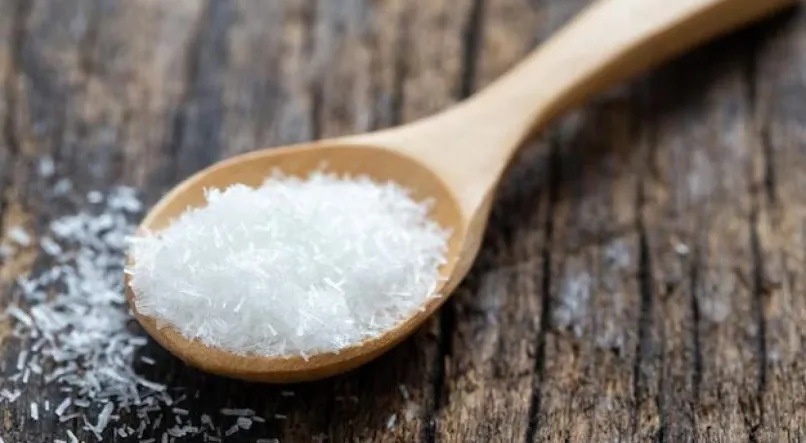
Credits: Shutterstock
In addition to bringing the delicious umami taste, monosodium glutamate has been tested by several regulatory agencies and is proven to be safe.
São Paulo, August 2022 – Have you ever noticed that your mouth waters when eating a piece of Parmesan cheese or that the taste of tomato lingers longer in your mouth? These two phenomena share a common cause: the umami taste! Known as the fifth basic taste of the human palate, umami is provided by the natural presence of glutamic acid in certain foods and also by the addition of its processed version, monosodium glutamate (MSG), in preparations. Both play similar roles in our body and can bring health benefits.
To help better understand the benefits of glutamate for the body, the team of specialists from the Umami Committee, an organization responsible for promoting the fifth taste in Brazil, clarifies some doubts on the topic:
1. What is glutamate?
Glutamate is an amino acid present in many everyday foods such as meat, corn, cheese, tomatoes, and mushrooms, and it is also naturally present in the human body. In addition to acting as an important neurotransmitter, essential for learning and memory, glutamate, when present in foods, provides the umami taste.
Monosodium glutamate is the salt form of glutamic acid (glutamate) and, in Brazil, is produced through the fermentation of sugarcane (a process similar to the production of yogurt, beer, wine, and bread). “In this process, specific bacteria consume the sugar (present in sources such as sugarcane molasses or beets) and transform it into glutamic acid. After this industrialization process, this amino acid is converted into monosodium glutamate ready for consumption.”
Although they may appear different, both glutamic acid and MSG are sources of free glutamate and are metabolized in the same way by the human body.
2. Is the consumption of monosodium glutamate safe?
Yes. Studies conducted by renowned scientists have not identified any relationship between glutamate and harmful health reactions. In other words, its consumption is safe and poses no health risks. Furthermore, the main regulatory agencies in the world—such as JECFA (Joint FAO/WHO Expert Committee on Food Additives), the FDA (the U.S. Food and Drug Administration), and Anvisa (Brazil’s Health Regulatory Agency)—do not set a limit for glutamate consumption. During product safety evaluations, tests demonstrated that there was no need to establish a numerical value for the Acceptable Daily Intake (ADI). Thus, this additive was classified with an “unspecified” ADI, which is the safest category for food additives.
3. How can MSG contribute to sodium reduction?
Replacing part of the salt with monosodium glutamate can reduce sodium intake without altering flavor perception. Monosodium glutamate contains one-third the amount of sodium found in table salt, making it a great ally for reducing sodium in recipes. For example, if you usually use one teaspoon of salt to make rice, start using ½ teaspoon of salt and ½ teaspoon of monosodium glutamate.
4. How does using monosodium glutamate help cancer patients?
Oncology doctors use MSG to help patients undergoing chemotherapy treatment since these patients often suffer from loss of taste and decreased salivation. Therefore, by prioritizing umami-rich meals using MSG, they can eat better, improving food swallowing and taste perception.
5. Does using MSG in food cause addiction?
No. Various global regulatory bodies have certified monosodium glutamate as a safe product, and there is no evidence that it causes addiction or any other type of health harm.
6. Does monosodium glutamate cause headaches?
No. MSG has often been associated with migraines. However, after various studies and scientific evidence, the International Headache Society, an organization with approximately 1,300 healthcare professionals, removed MSG from the list of substances that cause headache symptoms in its 2018 publication, which can be verified in the ICHD-3 list. Migraines involve many factors, such as family predisposition, sleep deprivation, long fasting periods, and strong odors. This condition should be investigated considering the patient’s medical history.
UMAMI
It is the fifth basic taste of the human palate, discovered in 1908 by Japanese scientist Kikunae Ikeda. It was scientifically recognized in 2000, when researchers at the University of Miami identified specific receptors for this taste on taste buds. The amino acid glutamic acid and the nucleotides inosinate and guanylate are the main umami substances. The two main characteristics of umami are increased salivation and the lingering taste for several minutes after food ingestion. To learn more, visit www.portalumami.com.br.
Specialist Clarifies 6 Facts About Monosodium Glutamate
-
Telephone
+55 (11) 3165-9595 / 91665-8665
-
Email
umami@fsb.com.br
Related news

- Notícia
Less Salt, More Umami: Try Flavorful Recipes with Reduced Sodium
- Notícia
Minas Gerais Cuisine: Chef Explains What Makes the Region’s Dishes So Flavorful

- Notícia
Golden August: the first strategic asset of our lives is breastfeeding.

- Notícia