
Scientists discuss the “ex-tongue map” and the extent of taste beyond the taste buds
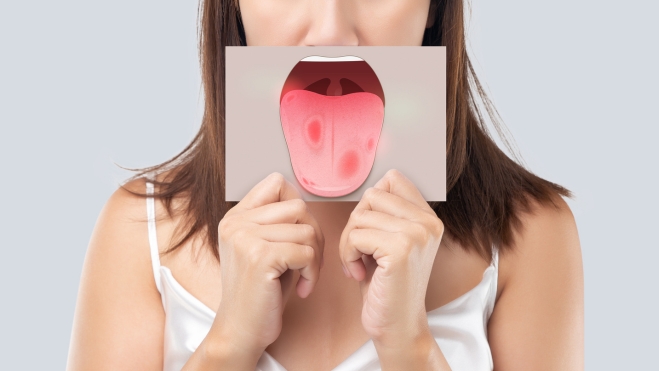
São Paulo, October 2024 – The notion that the human tongue has “specific regions” responsible for identifying each of the five basic tastes—sweet, salty, sour, bitter, and umami—has been challenged once again by a review published in the scientific journal The New England Journal of Medicine. This belief, known as the “tongue map,” was introduced in the early 20th century, but over the decades, science has demonstrated that taste is much more complex and goes beyond the taste buds.
The “tongue map” myth began in 1901, when German researcher David Hänig published a study that was mistakenly interpreted as evidence that the tongue was divided into taste zones. Decades later, other scientists, such as Arthur Fox and Lawrance H. Snyder, showed that taste perception varies between individuals due to genetic factors, ruling out the idea of a universal pattern.
According to a study in The New England Journal of Medicine, taste receptors are spread throughout the tongue and palate, not concentrated in specific areas. Furthermore, the research reveals that these receptors are also present in cells of the gastrointestinal tract and may play a variety of roles, including regulating metabolism and obesity.
Hellen Maluly, PhD in Food Science and member of the Umami Committee, explains that taste-related receptors bind to specific substances such as sucrose (sweet), sodium (salty), glutamate (umami), among others. For the sense of smell, for example, they bind to vanillin (vanilla aroma) and limonene (an aroma found in citrus fruits): “Recent research has shown that these receptors may also be present in other organs, such as the stomach and intestine, coming into contact with the same substances when ingested through food. In this way, they can send crucial information to the brain to regulate digestive processes and food intake,” adds the expert.
To educate the public and promote knowledge about human taste and sensory science, the Umami Committee was created in 2012: “The group is composed of experts in areas related to sensory science, food, and nutrition, who disseminate information based on reliable scientific studies to the scientific community and the general public. Today, this information is even being included in textbooks,” Maluly emphasizes.
According to the IBGE (2021), approximately 2.5 million students per year, from 6th grade onward, already have access to updated knowledge about sensory science in schools, such as the revised “tongue map” and the existence of the fifth taste, umami.
Sustainable Development Goals
Ajinomoto do Brasil develops projects and actions aligned with the 17 Sustainable Development Goals (SDGs), defined by the United Nations (UN), which aim to achieve a more equitable and sustainable world by 2030. Click here to learn more about these projects.
The dissemination of this material directly contributes to the following SDGs:
About Ajinomoto do Brasil
Present in Brazil since 1956, Ajinomoto do Brasil is a leader in amino acids and widely known for its retail products, such as SAZÓN® Seasoning, MID® Soft Drinks, VONO® Soups, and AJI-NO-MOTO® itself, in addition to operating in the food service segment (eating out). The company offers high-quality products for both consumers and inputs for the food, cosmetics, sports, pharmaceutical, animal nutrition, and agribusiness industries. Its purpose is to contribute to the well-being of society, people, and the planet by utilizing its expertise in “AminoScience,” the science of amino acids, from production to application, through a sustainable food system. To this end, it works with products developed using Biociclo—a circular, sustainable production process—with a lower environmental impact. With four factories in the interior of São Paulo and headquarters in the capital, it employs approximately 3,000 people and serves domestic and international markets. Globally, the Ajinomoto Group employs over 34,000 people, has 116 factories, and sells products in over 130 countries. In 2023, it had global revenue of US$9.9 billion and domestic revenue of R$3.3 billion. For more information, visit www.ajinomoto.com.br.
PRESS INFORMATION | AJINOMOTO DO BRASIL
FSB Comunicação
ajinomoto@fsb.com.br
References:
Egan, J. M. “Physiological Integration of Taste and Metabolism.” New England Journal of Medicine, vol. 390, no. 23, 2023, pp. 4578-4590, Link
Chang, K. “Scientists Debunk the Tongue Map, But Learn Something Much More Interesting.” The New York Times, May 29, 2024, Link
“The Ex-Tongue Map and the Main Features for Identifying Basic Tastes.” Umami Portal, Link Accessed in August 2024.
“Umami Information Center.” Umami info, Link Accessed August 2024.
Scientists discuss the “ex-tongue map” and the extent of taste beyond the taste buds
-
Telephone
+55 (11) 3165-9595 / 91665-8665
-
Email
umami@fsb.com.br
Related news
- Notícia
Less Salt, More Umami: Try Flavorful Recipes with Reduced Sodium
- Notícia
Minas Gerais Cuisine: Chef Explains What Makes the Region’s Dishes So Flavorful
- Notícia
Golden August: the first strategic asset of our lives is breastfeeding.
- Notícia