
Public interest marks Umami’s participation at “Semana Mesa SP” | Press
Participants, chefs, and media professionals came to the event seeking more information about the fifth basic taste of the human palate.
Umami made its mark from the 25th to the 27th at “Semana Mesa SP” and was one of the main highlights of “Mesa Tendências,” held at the SENAC University Center in São Paulo. In addition to a booth—where the public could taste foods rich in umami and learn more about the topic—the Umami Committee of Brazil brought a specialist to give a lecture and also presented an explanatory video.
Although discovered over a hundred years ago by chemist Kikunae Ikeda, umami is still little known in the country. To change this scenario, the main goal of the Umami Committee of Brazil at “Semana Mesa SP” was to bring the concept of the fifth taste to professionals connected to gastronomy, students, and journalists.
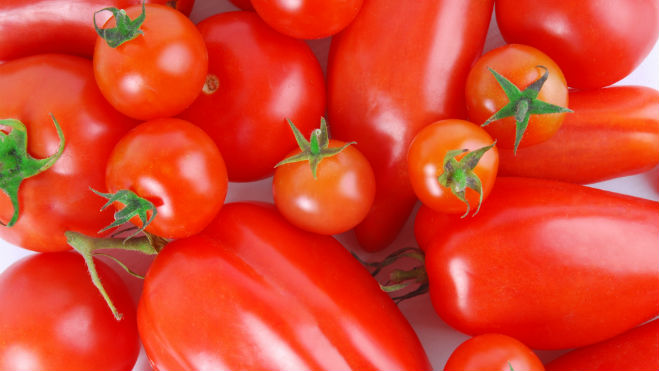
The umami booth was one of the most visited at “Mesa Tendências,” attracting curious attendees as well as chefs and media professionals. Over the three days, informational materials were distributed and dishes based on foods rich in umami were tasted, such as a verrine of tomato, shimeji, and Parmesan cheese, and the São Paulo–style couscous made with corn, peas, eggs, tomato, and sardines.
The Umami Committee of Brazil also brought specialist Hellen Maluly, a professor of Bromatology at Faculdade Oswaldo Cruz. In the lecture “Umami, the Fifth Basic Taste — Science and Gastronomic Pleasures,” held on Tuesday (25th), Hellen covered cultural, chemical, and historical aspects of the fifth taste. “Umami has two very characteristic qualities: increased salivation and a lingering taste,” she emphasized during the talk, which took place in Auditorium 3.
Finally, a two-minute video was shown between the main auditorium talks, presenting the audience with some basic information about the fifth taste.
Umami taste
Umami is the fifth basic taste of the human palate and was discovered in 1908 by Japanese chemist Kikunae Ikeda. However, it was only recognized by the scientific community in 2000, when researchers at the University of Miami found a specific receptor for the taste. The amino acid glutamic acid and the nucleotides inosinate and guanylate are the main substances that provide this fifth taste. Parmesan cheese, tomato, mushrooms, and meats in general contain these substances in higher proportions and therefore have a more pronounced umami taste. The two main characteristics of umami are increased salivation and a lingering taste for a few minutes.
Umami Committee of Brazil
The Umami Committee of Brazil is a group created to discuss and disseminate topics related to the fifth basic taste of the human palate: umami. The committee has a direct relationship with the Umami Information Center, a non-profit organization dedicated to research on the subject.
Public interest marks Umami’s participation at “Semana Mesa SP” | Press
-
Telephone
+55 (11) 3165-9595 / 91665-8665
-
Email
umami@fsb.com.br
Related news
- Notícia
Less Salt, More Umami: Try Flavorful Recipes with Reduced Sodium
- Notícia
Minas Gerais Cuisine: Chef Explains What Makes the Region’s Dishes So Flavorful

- Notícia
Golden August: the first strategic asset of our lives is breastfeeding.
- Notícia