
Nutritionist Day: Umami Committee Celebrates the Date with a Tip for Sodium Reduction | Press
São Paulo, August 2016 – On August 31, Brazil celebrates Nutritionist Day. The date marks the creation of the Brazilian Association of Nutritionists in 1949, established to defend the interests of these professionals. To honor representatives of one of the ten least stressful professions in the world (according to research by the American website Career Cast), there’s no better way than to promote discussions about foods that benefit health.
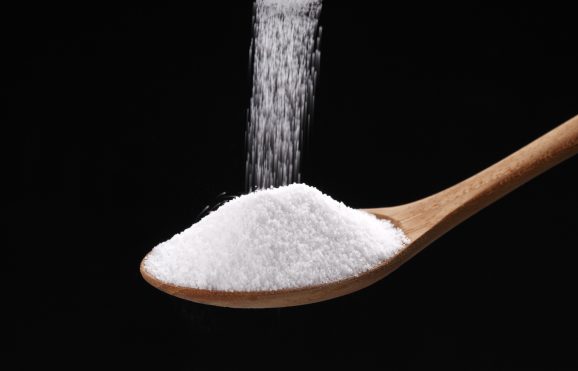
Monosodium glutamate (MSG) is one of the tips shared by the Umami Committee, the organization responsible for spreading awareness of the fifth taste in Brazil. Responsible for providing umami to foods, MSG is one of the main allies when it comes to health, as it can help reduce up to 37% of the sodium in meals without losing flavor. “While 1 gram of salt contains 388 mg of sodium, the same amount of monosodium glutamate has only 123 mg,” says Mariana Rosa, nutritionist for the Umami Committee.
In Brazil, there are currently 17 million people with hypertension. According to a study from the London School of Economics, conducted in partnership with Swedish and American researchers, by 2025 there will be an 80% increase in the number of hypertensive patients in developing countries. In this scenario, Brazil could see an additional 15 million cases. “Thus, using MSG in cooking is an alternative for everyone, not just for people with hypertension,” explains the specialist.
A simple lifestyle change can start with everyday actions, such as the way traditional rice is prepared. Instead of using one teaspoon of salt, use half salt and half monosodium glutamate. The result is a meaningful reduction in the sodium content of the meal.
Umami in the Elderly
The main characteristics of umami are increased salivation and prolonged flavor, both enhanced by adding MSG, which can be especially beneficial for the elderly. This is valuable information, since projections by the Brazilian Institute of Geography and Statistics (IBGE) indicate that about 30% of Brazil’s estimated population of 215 million by 2050—more than 64 million people—will be aged 60 or older.
As people age, taste loss and reduced saliva production are symptoms that affect appetite and food acceptance. “Adding monosodium glutamate to meals stimulates the palate and saliva production in the elderly,” says Mariana. “In more delicate cases, it’s possible to spray a solution of monosodium glutamate diluted in water directly into the mouth. This way, the person can once again enjoy the pleasure of tasting flavorful food and stay nourished to better face the challenges of aging,” concludes the nutritionist.
UMAMI
It is the fifth basic taste of the human palate, discovered in 1908 by Japanese scientist Kikunae Ikeda. It was scientifically recognized in 2000 when researchers at the University of Miami confirmed the existence of specific receptors for this taste on the taste buds. The amino acid glutamic acid and the nucleotides inosinate and guanylate are the main Umami substances. The two main characteristics of Umami are increased salivation and the continuation of the taste for a few minutes after eating. To learn more, visit portalumami.com.br.
Nutritionist Day: Umami Committee Celebrates the Date with a Tip for Sodium Reduction | Press
-
Telephone
+55 (11) 3165-9595 / 91665-8665
-
Email
umami@fsb.com.br
Related news
- Notícia
Minas Gerais Cuisine: Chef Explains What Makes the Region’s Dishes So Flavorful

- Notícia
Golden August: the first strategic asset of our lives is breastfeeding.

- Notícia
Easter Sunday: check out five recipes that will awaken the umami taste on this special date

- Notícia