
New Study Indicates up to 30% Reduction in Sodium Content of Meals with the Use of Monosodium Glutamate
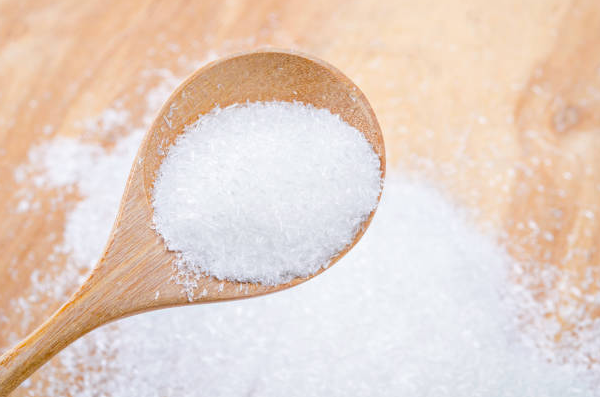
Researchers identified that the additive provides greater quality of life and enhances the taste of food
March 2021 – Sodium, the main component of table salt, when consumed in excess, can be a major health villain. According to a study conducted by UC Davis (2020) and published in the Journal of Food Science, a scientific journal focused on the distribution of research in food technology, monosodium glutamate (MSG) stands out as an alternative to help reduce sodium in the diet.
The survey was conducted with 163 volunteers, aged between 18 and 62 years, and reinforces that sodium intake is a concern in many countries, as it is associated with several chronic diseases, such as hypertension, kidney dysfunction, and cardiovascular problems. 54% of participants admitted they did not know how to use MSG in their diet or were unaware of its benefits. All recipes in the study with the food additive were described as “tasty,” “delicious,” and “balanced.”
Mariana Rosa, nutritionist of the Umami Committee, confirms that the substitution does not affect the flavor of foods and contributes to a healthier lifestyle. “According to the research results, the use of MSG promotes a reduction of sodium of up to 30%, without compromising consumer acceptance. While 1g of salt has 388mg of sodium, the same amount of monosodium glutamate contains only 123mg,” explains Mariana.
MSG also helps provide umami taste, responsible for greater palatability of ingredients, in addition to balancing the perception of other tastes, making the dish more harmonious. Mariana explains that glutamic acid can be found in foods such as tomatoes, meats, cheeses, fish, and mushrooms, and that the human body itself produces glutamate. “Industrial granules are produced through the fermentation of carbohydrates such as beet, sugarcane molasses, or cassava,” she concludes.
For access to the full study, visit: https://onlinelibrary.wiley.com/doi/full/10.1111/1750-3841.15354
UMAMI
Umami is the fifth basic taste of the human palate, discovered in 1908 by Japanese scientist Kikunae Ikeda. It was scientifically recognized in 2000, when researchers at the University of Miami confirmed the existence of specific receptors for this taste on the taste buds. The amino acid glutamic acid and the nucleotides inosinate and guanylate are the main umami substances. The two main characteristics of umami are increased salivation and the continuation of taste for a few minutes after eating. To learn more, visit www.portalumami.com.br.
New Study Indicates up to 30% Reduction in Sodium Content of Meals with the Use of Monosodium Glutamate
-
Telephone
+55 (11) 3165-9595 / 91665-8665
-
Email
umami@fsb.com.br
Related news

- Notícia
Less Salt, More Umami: Try Flavorful Recipes with Reduced Sodium

- Notícia
Minas Gerais Cuisine: Chef Explains What Makes the Region’s Dishes So Flavorful

- Notícia
Golden August: the first strategic asset of our lives is breastfeeding.

- Notícia