
National Health Day: an umami, low-sodium recipe for the date | Press
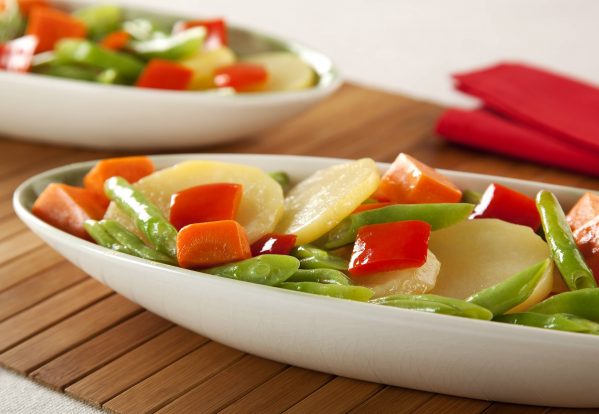
São Paulo, August 2017 – It’s undeniable that, in recent years, Brazilians have been increasingly concerned with health, wellbeing, and quality of life. To celebrate National Health Day, observed next Saturday (5), there’s nothing better than reinforcing the importance of healthy habits—especially at the table.
For the occasion, the Umami Committee has a special recipe: Sautéed Vegetables. Most vegetables have antioxidant and anti-inflammatory properties, among other qualities. Present in the recipe, monosodium glutamate—one of the ingredients that impart the umami taste to dishes—is a strong ally for cutting sodium day-to-day, since the amount of this mineral in its composition is twice lower compared to table salt.
For the reduction to occur, you should replace half of the salt used in the recipe with monosodium glutamate. In other words, while preparing the Sautéed Vegetables, instead of using one teaspoon of salt, use half that amount of salt and half of monosodium glutamate. This way, it’s possible to cut the sodium content of the dish by up to 37% while maintaining flavor.
Check out the method:
Sautéed Vegetables
Ingredients:
- 2 tablespoons olive oil
- 2 small potatoes, cooked and sliced (200 g)
- 1 carrot, cooked and diced (150 g)
- 200 g green beans, parboiled and cut into three equal pieces
- ½ small red bell pepper, parboiled and diced (100 g)
- ½ teaspoon salt
- ½ teaspoon monosodium glutamate
Method:
- In a large skillet, add the olive oil and heat over high heat.
- Add the potato, carrot, green beans, bell pepper, salt, and monosodium glutamate, and sauté for 4 minutes, stirring occasionally, until everything is well coated.
- Remove from the heat and serve immediately.
Chef’s tip:
- If you wish, steam the vegetables of your choice to help preserve vitamins and minerals.
Yield: 4 servings
Prep time: 10 minutes
For more recipes, visit: www.portalumami.com.br
UMAMI
It is the fifth basic taste of the human palate, discovered in 1908 by Japanese scientist Kikunae Ikeda. It was scientifically recognized in 2000, when researchers at the University of Miami confirmed the existence of specific receptors for this taste on the taste buds. The amino acid glutamic acid and the nucleotides inosinate and guanylate are the main umami substances. Two key characteristics of umami are increased salivation and a lingering taste for a few minutes after eating. To learn more, visit portalumami.com.br and follow on social media at facebook.com/GostoUmami and instagram.com/ogostoumami.
National Health Day: an umami, low-sodium recipe for the date | Press
-
Telephone
+55 (11) 3165-9595 / 91665-8665
-
Email
umami@fsb.com.br
Related news
- Notícia
Minas Gerais Cuisine: Chef Explains What Makes the Region’s Dishes So Flavorful

- Notícia
Golden August: the first strategic asset of our lives is breastfeeding.

- Notícia
Easter Sunday: check out five recipes that will awaken the umami taste on this special date

- Notícia