
Minas Gerais Cuisine: Chef Explains What Makes the Region’s Dishes So Flavorful
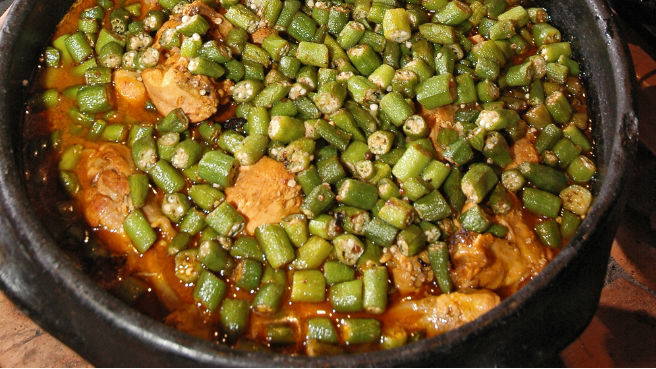
July 2021 – Cheese bread, tutu de feijão (bean purée), and chicken with okra… these are just some of the famous dishes from Minas Gerais cuisine, considered one of the richest in flavor. It’s no wonder that the typical cuisine of Minas Gerais earned a special day of celebration on July 5th—in honor of the birth of writer Eduardo Frieiro, author of the book “Feijão, Angu e Couve – Essay on the Food of the People of Minas.”
Tourists who arrive in Minas Gerais know they will enjoy the local delicacies, which surprise with their simplicity and abundance at the table. Chef and nutritionist from the Umami Committee, Lisiane Miura, explains that there are two key factors behind the extremely flavorful dishes that please so many palates. “The selection and combination of ingredients are essential to the success of the final recipe. When we include foods such as cheese, corn, tomatoes, and meats—which provide the umami taste, one of the five basic tastes of the human palate, alongside sweet, salty, sour, and bitter—we enhance the flavor of the entire dish, making it even more delicious,” she says. “Often, these ingredients are used in recipes to accentuate and prolong the flavor in the mouth, leaving the meal with a lingering taste that makes you want more,” adds Lisiane.
The chef also highlights some foods that are staples of the Minas Gerais table and should be considered in recipes to impress even the most demanding palates. “Corn is a very versatile ingredient that appears in both sweet and savory recipes such as pamonha (corn pudding) and canjiquinha de milho com costela de porco (cracked corn with pork ribs). A simple and umami-rich combination is chicken with okra, which brings together two humble yet flavorful foods. And of course, cheese, which can be part of breakfast in cheese bread or served in cubes in a fresh arugula salad, making the dish even more appetizing and delicious,” concludes the nutritionist.
Umami
Umami is the fifth basic taste of the human palate, discovered in 1908 by Japanese scientist Kikunae Ikeda. It was scientifically recognized in 2000, when researchers at the University of Miami confirmed the existence of specific receptors for this taste on the taste buds. The amino acid glutamic acid and the nucleotides inosinate and guanylate are the main umami substances. Its two main characteristics are the increase in salivation and the lingering taste that lasts for several minutes after eating. Learn more at www.portalumami.com.br.
Minas Gerais Cuisine: Chef Explains What Makes the Region’s Dishes So Flavorful
-
Telephone
+55 (11) 3165-9595 / 91665-8665
-
Email
umami@fsb.com.br
Related news
- Notícia
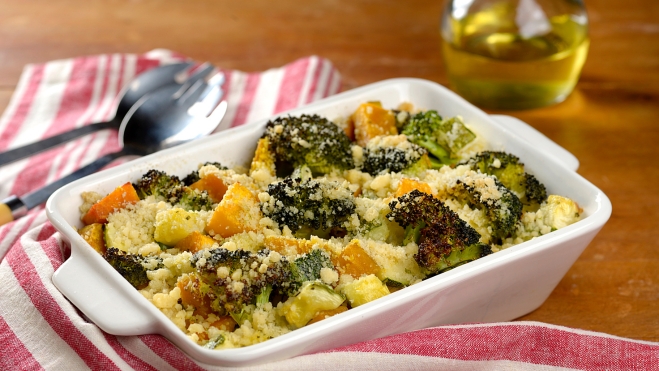
Less Salt, More Umami: Try Flavorful Recipes with Reduced Sodium

- Notícia
Golden August: the first strategic asset of our lives is breastfeeding.
- Notícia
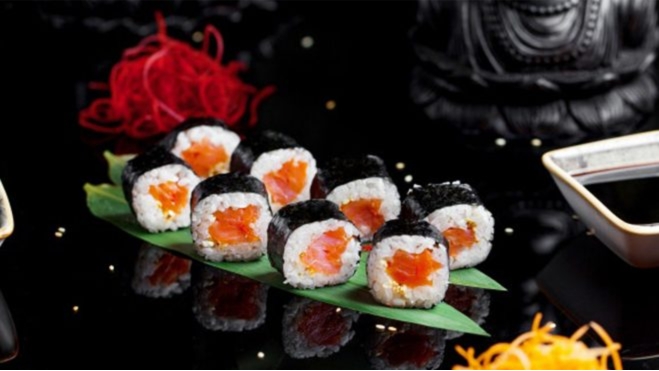
Did you know that sushi can be an ally to your health?
- Notícia