
Kombu seaweed: a special touch to Brazilian cuisine | Press
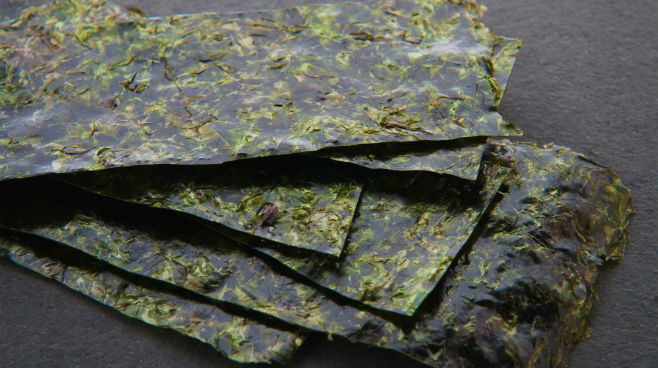
Seaweed is rich in glutamic acid, one of the substances that provide umami.
Used for over a thousand years in Eastern cuisine, kombu can add a special touch to international cooking. This is because the seaweed is rich in glutamic acid, one of the substances that provide Umami, the fifth basic taste of the human palate.
It was through kombu seaweed that Japanese scientist Kikunae Ikeda discovered the Umami taste in 1908. After drinking the so-called dashi, a traditional Japanese broth made from kombu, Kikunae noticed a taste different from the four already known at the time (sweet, salty, sour, and bitter). After conducting several tests, the scientist discovered that this sensation was caused by glutamic acid, an amino acid naturally present in the human body and in foods such as meats, tomatoes, and mushrooms, and named this new taste Umami, a Japanese word meaning “savory.”
Western cuisine
Renowned Japanese chef Shin Koike, from the restaurant Sakagura A1, explains that dashi broth is the foundation of Japanese cuisine. Nevertheless, kombu is not exclusive to the East. “The best way to use the seaweed in Western cooking is in base broths, such as chicken or fish stock. Two typical Brazilian dishes that go very well with kombu are moqueca and fish stew,” explains the chef.
Mariane Sato, chef and gastronomy instructor at Senac, says that there is no strict rule for using kombu. “The ingredient can be used in any dish; you just need to infuse the seaweed to extract the Umami taste and combine it with the other ingredients in the preparation,” explains the instructor.
Kombu is usually sold in its dried form, in two versions: large pieces or shredded (also known as oboro kombu). For those who want to try the seaweed at home, a good tip is to cut it into strips five centimeters long by two wide and season it with sweet vinegar. Green tea is an excellent accompaniment.
UMAMI TASTE
The Umami taste is the fifth basic taste of the human palate and was discovered in 1908 by Japanese chemist Kikunae Ikeda. However, it was only recognized by the scientific community in 2000, when researchers at the University of Miami found specific receptors on taste buds. The amino acid glutamic acid and the nucleotides inosinate and guanylate are the main substances that confer Umami. Parmesan cheese, tomato, mushrooms, and meats in general are foods that contain these substances in large proportions and therefore have the fifth taste more prominently. The two main characteristics of Umami are increased salivation and the lingering taste for a few minutes after eating the food.
Kombu seaweed: a special touch to Brazilian cuisine | Press
-
Telephone
+55 (11) 3165-9595 / 91665-8665
-
Email
umami@fsb.com.br
Related news
- Notícia
Less Salt, More Umami: Try Flavorful Recipes with Reduced Sodium
- Notícia
Minas Gerais Cuisine: Chef Explains What Makes the Region’s Dishes So Flavorful

- Notícia
Golden August: the first strategic asset of our lives is breastfeeding.
- Notícia