
Hug Day: 2 Recipes That Are a True Demonstration of Affection
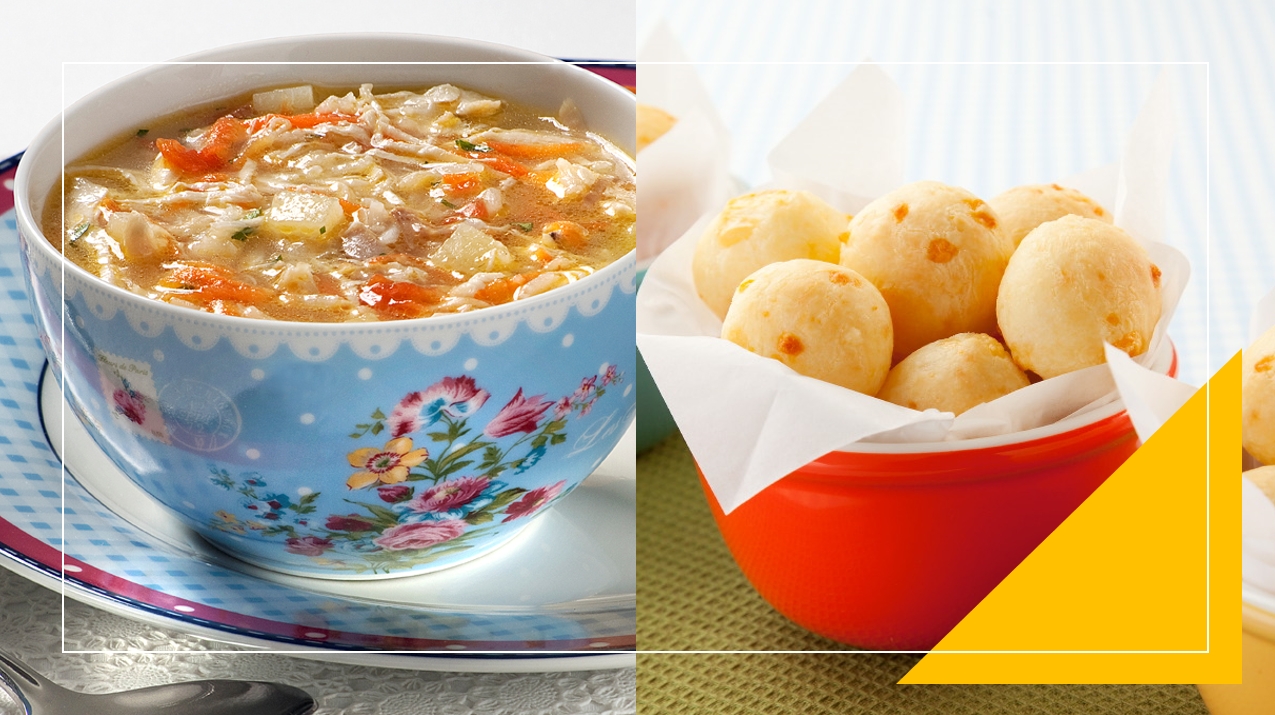
Chef shows that choosing the right ingredients can bring good emotional feelings
June 2021 – With the advance of the pandemic, measures to contain the spread of Covid-19, such as social isolation and remote work, can affect eating routines.
Maintaining good nutrition is crucial for health, especially at times when the immune system may need to defend itself. “There are ways to maintain a good diet, even during these difficult times. Planning meals in advance and varying foods, instead of limiting the same options every day, are practices that help maintain good nutrition,” says nutritionist from the Umami Committee, Marilia Zagato.
Vary the foods
In stressful situations, it’s common for the body to crave more caloric foods. Marilia explains that the ideal is to create the habit of varying foods and trying all tastes, including bitter and umami. “One taste can help in the acceptance of another. Umami foods provide more flavor to light and nutritious dishes. This happens because they are rich in proteins or in the amino acid glutamate. Before the main meal, bet on a starter with a mix of leafy greens and cherry tomatoes. By providing the umami taste, tomatoes soften the bitterness of vegetables and improve the palate,” she says.
Cooking methods
After choosing the ingredients, the next step is the cooking method. “Eating raw food can be a good option as it avoids thermal processing, which often reduces nutritional values, and also makes preparation more practical. However, heating food inactivates the action of possible microorganisms present due to lack of hygiene or care in storage. These issues can be avoided if good handling and cleaning practices are properly followed,” she comments.
Salt reduction
When seasoning, salt is one of the biggest dilemmas in the kitchen: while it makes meals tastier, it also contains a large amount of sodium. In this context, monosodium glutamate (MSG) is a great ally, as it contains only 1/3 of the sodium found in table salt. “Try using half MSG and half salt. For example, if you use 1 teaspoon of salt in the preparation of 1 cup of rice, you can balance it with half salt (2.5 g) and half MSG (2.0 g). By doing this, you maintain the dish’s acceptance and reduce the sodium content by up to 37%,” explains the specialist.
Fiber intake
Marilia also reinforces the importance of fiber. “Fiber contributes to a healthy digestive system and provides a prolonged feeling of satiety, which helps prevent overeating. To ensure adequate intake, include vegetables, fruits, legumes, and whole foods in all meals. Bet on whole grains like oats, brown rice, and quinoa,” she informs.
Stay hydrated
Proper hydration is essential for health. “Water contributes to the proper functioning of the body. To enhance its flavor, you can add fresh or frozen fruits, such as lemon slices. In addition, other elements, like cucumber, mint, or rosemary, are also good options to make it more refreshing,” suggests the nutritionist.
Umami
Umami is the fifth basic taste of the human palate, discovered in 1908 by Japanese scientist Kikunae Ikeda. It was scientifically recognized in 2000, when researchers at the University of Miami confirmed the existence of specific receptors for this taste on taste buds. The amino acid glutamic acid and the nucleotides inosinate and guanylate are the main umami substances. The two main characteristics of umami are the increase in salivation and the persistence of the taste for several minutes after eating. To learn more, visit www.portalumami.com.br.
Hug Day: 2 Recipes That Are a True Demonstration of Affection
-
Telephone
+55 (11) 3165-9595 / 91665-8665
-
Email
umami@fsb.com.br
Related news
- Notícia
Less Salt, More Umami: Try Flavorful Recipes with Reduced Sodium

- Notícia
Minas Gerais Cuisine: Chef Explains What Makes the Region’s Dishes So Flavorful

- Notícia
Golden August: the first strategic asset of our lives is breastfeeding.

- Notícia