
Health and Nutrition Day: learn how umami can contribute

Credits: Pexels
São Paulo, March 2023 – National Health and Nutrition Day, celebrated on March 31, was created with the goal of raising awareness and promoting discussion among people about the importance of having a balanced and nutritious diet.
One of the ways to ensure a healthy life is through diet. “Foods are composed of nutrients that contribute to health, such as amino acids, which are essential for us,” says Umami Committee nutritionist, Marilia Zagato. According to the specialist, amino acids assist in several body functions, such as hormone production and the formation of internal structures (muscles) and external ones (hair and nails).
One of the amino acids naturally produced by the body and present in various foods is glutamic acid, or glutamate. “Some examples rich in glutamate are tomato, corn, potato, dried mushrooms, eggs, meats, shrimp, and Parmesan cheese,” highlights Marilia.
In addition to its natural form, the amino acid glutamate also has its industrialized version, which has the same principles as the original. In this case, it is called monosodium glutamate (MSG) and can be used as a flavor enhancer in any type of meal.
“The use of MSG, in the recommended proportion, which is replacing the salt used in the recipe with half salt and half MSG, can reduce up to 37% of the sodium content in preparations, making it a great option for those seeking a healthier, balanced, and tastier diet,” assures the nutritionist.
Glutamate and MSG provide several health benefits and are also responsible for the sensation of umami, the fifth basic taste of the human palate, alongside sweet, salty, sour, and bitter.
“Umami is one of the first tastes we experience, since glutamate is the most abundant amino acid in breast milk, directly supporting infant health,” explains Marilia. She also comments that, over the years, we lose some of our taste sensitivity. “That is why it is very common for elderly people to experience loss of appetite,” she adds.
The nutritionist assures that the inclusion of umami-tasting foods in the diet or MSG in preparations enhances flavors, which contributes to nutrition and consequently to the immunity of older people. The fifth taste also promotes increased salivation and, therefore, can help in food acceptance among patients undergoing cancer treatments, such as radiotherapy and chemotherapy.
“Eating healthy meals is part of the process of taking care of health as a whole, which is why we should choose foods that satisfy hunger, nourish the body, and provide benefits, as is the case with umami foods,” concludes the specialist.
UMAMI
It is the fifth basic taste of the human palate, discovered in 1908 by Japanese scientist Kikunae Ikeda. It was scientifically recognized in the year 2000, when researchers at the University of Miami confirmed the existence of specific receptors for this taste on the taste buds. The amino acid glutamic acid and the nucleotides inosinate and guanylate are the main umami substances. The two main characteristics of umami are increased salivation and the continuity of taste for a few minutes after food ingestion. To learn more, visit www.portalumami.com.br.
Health and Nutrition Day: learn how umami can contribute
-
Telephone
+55 (11) 3165-9595 / 91665-8665
-
Email
umami@fsb.com.br
Related news
- Notícia
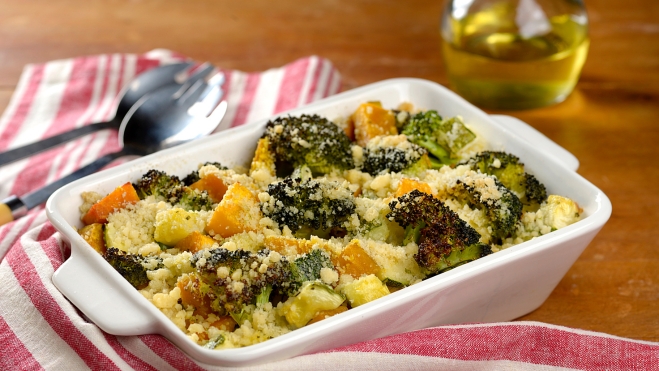
Less Salt, More Umami: Try Flavorful Recipes with Reduced Sodium
- Notícia
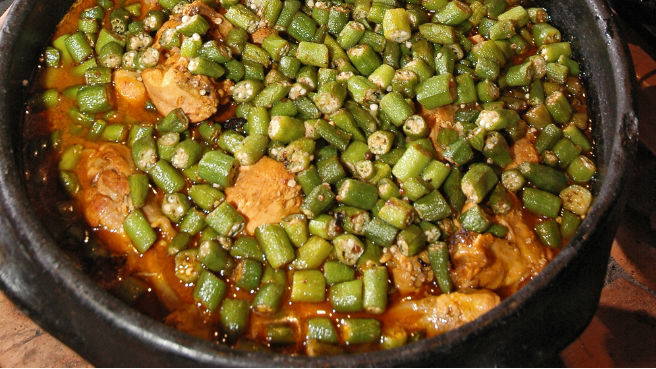
Minas Gerais Cuisine: Chef Explains What Makes the Region’s Dishes So Flavorful

- Notícia
Golden August: the first strategic asset of our lives is breastfeeding.
- Notícia